Trending


Oil prices rose, and stocks mostly fell on Friday as initial optimism surrounding US President Donald Trump’s decision to once again delay his deadline for military action against Iran’s energy assets quickly faded.
The cautious market response came as governments worldwide scrambled to shield their economies from the surge in energy costs, which continue to exacerbate inflationary pressures.
Trump’s decision to extend the deadline for Tehran to open the Strait of Hormuz, or face the destruction of its energy assets, from Friday to April 6, was seen as a temporary de-escalation. However, this announcement failed to significantly lift market sentiment.
Oil prices rose by about 2.5 per cent, but European stock markets closed lower, with Frankfurt and Paris shedding more than 1 per cent and London dipping by 0.7 per cent by midday.
This cautious mood stands in stark contrast to the market’s initial sharp rally following Trump’s earlier delay of the deadline. Meanwhile, the US dollar, traditionally seen as a safe-haven investment during times of war, climbed against major currencies.
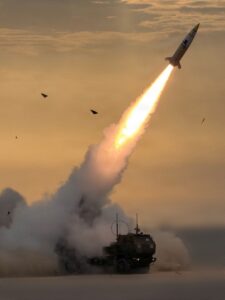
Despite Trump’s claim that Iran was eager “to make a deal” to end the ongoing regional conflict, Iran showed no signs of easing its reprisal attacks, particularly targeting Israel and other Gulf nations. This tension was further exacerbated when Kuwait reported damage to its main commercial port from a drone attack, which Iranian-backed groups are suspected of orchestrating.
In response to rising tensions, Iran’s Tasnim news agency reported that Tehran had responded to Washington’s 15-point plan to end the war and was awaiting a reply. Iran’s demands included an end to US-Israeli attacks on Iranian targets, war reparations, and the respect of its sovereignty over the Strait of Hormuz.
As the situation in the Middle East continues to cause volatility, investors have also been keeping a close watch on the Pentagon’s plans. The Wall Street Journal cited Department of Defence officials suggesting that the Pentagon is considering sending up to 10,000 additional ground troops to the region, potentially further escalating the crisis.
In addition to geopolitical uncertainty, markets were also hit by economic concerns from China. On Friday, Beijing launched an investigation into US trade practices in response to Washington’s recent probes into Chinese actions. This added further pressure on global markets, with Tokyo’s stock market closing lower while Hong Kong and Shanghai saw modest gains.
To counter the rising energy costs, governments around the world have unveiled various support measures.
Vietnam temporarily waived an environmental levy on fuel, cutting petrol prices by over 25 per cent, while India reduced fuel taxes. Japan also announced plans to temporarily lift restrictions on coal-fired power plants to alleviate the ongoing energy crunch. Spain, Poland, and South Korea had previously announced similar fuel tax cuts to support their economies during this turbulent period.