Trending
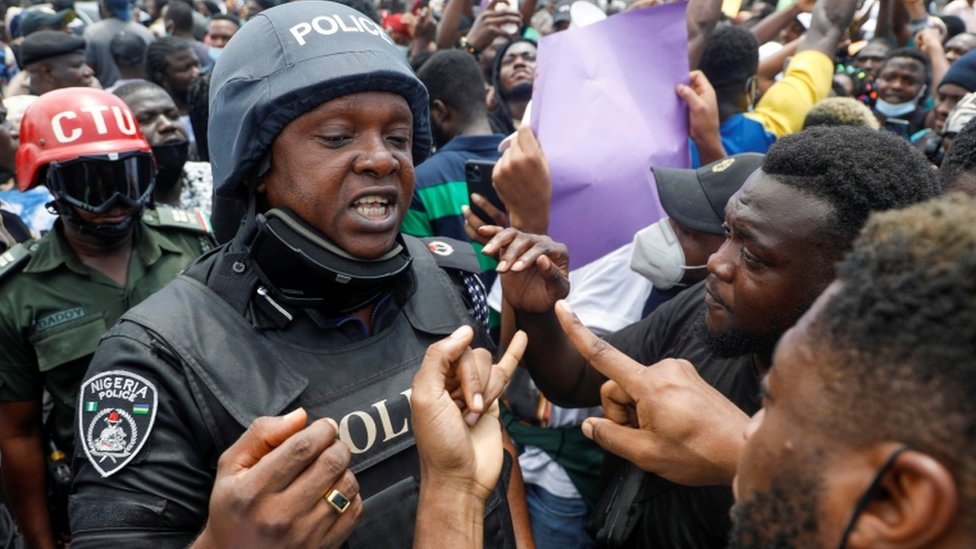
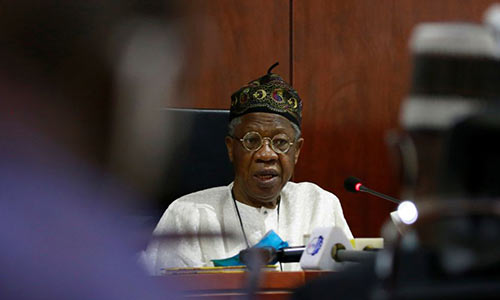
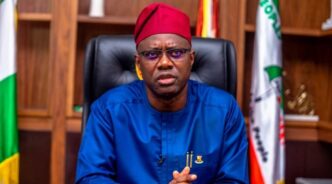
Former information minister Lai Mohammed has said the government did not deny that casualties occurred during the October 2020 #EndSARS protests but rejected claims of a massacre, particularly at the Lekki Toll Gate.
Mohammed made the remarks in an interview on News Central TV’s 60 Minutes with Mr Kay, on Thursday, while discussing controversial episodes from the administration of the late President Muhammadu Buhari.
“At no point did the government deny that there were casualties during the #EndSARS protests,” Mohammed said, adding that authorities documented casualties across the country and expressed condolences to victims’ families.
“As a matter of fact, not only did we detail the casualties, town by town, state by state, city by city, we also commiserated with the victims and the families of the victims,” he said.
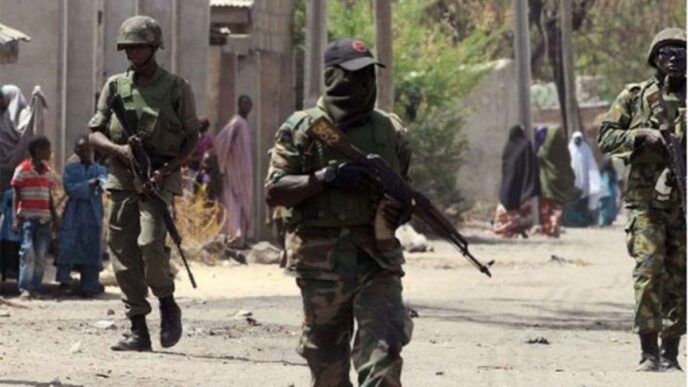
Mohammed added that deaths among security personnel were often overlooked in public accounts of the protests.
“For instance, nobody remembers that 37 police officers were killed during the #EndSARS; six soldiers were killed,” he said. “We never denied that #EndSARS did not lead to loss of lives.”
He said the position of the authorities was that while fatalities occurred, there was no massacre at the Lekki Toll Gate.
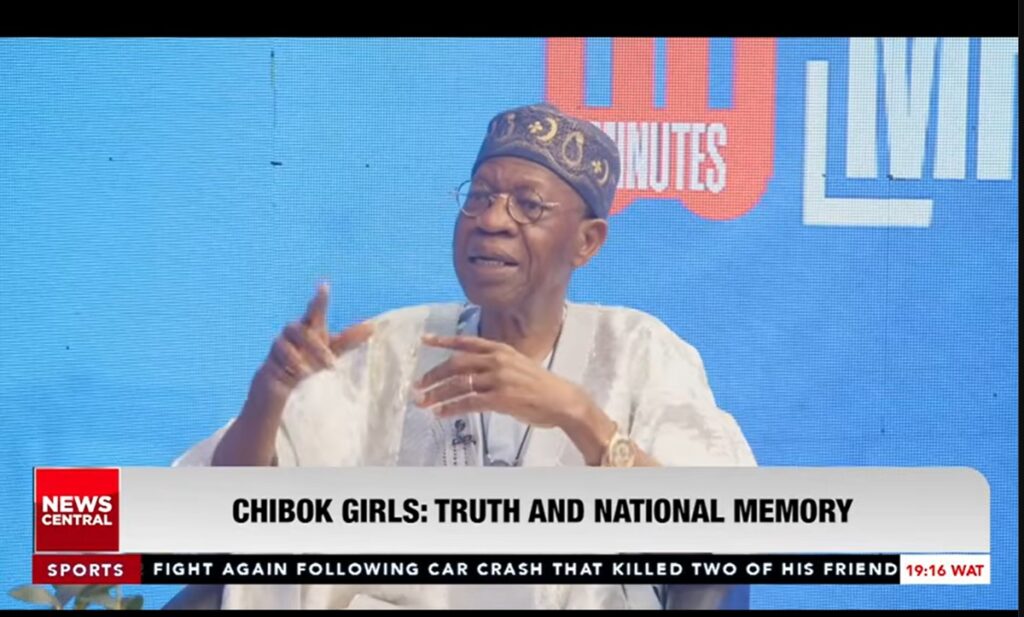
“What the government said, and what we still insist, is that there were no massacres at all at the Lekki Toll Gate,” he said. “That is different from saying that no lives were lost in Lagos State.”
Asked whether gunshots fired during the incident were fake, Mohammed said blank ammunition was used.
“Soldiers are deployed to disperse a crowd,” he said. “Fact remains: there’s a procedure for soldiers when they are going to control a riot. They sign for the ammunition.”
Mohammed also explained why soldiers were deployed instead of police officers during the protests.
“Because at that point in time, like I told you, 37 policemen also lost their lives in the process,” he said. “It became dangerous for every policeman to wear their uniform. They were being attacked everywhere. Police stations were being razed down.”
He said he intervened with the then inspector general of police to ensure officers did not withdraw completely from the streets.
“I had to intervene with the then IGP to please ensure that the police does not give up, because at that point in time, the police became the object. The whole protest was against the department of police. It was when the situation got out of hand that it was decided that soldiers should be deployed.”