Trending


The second-hand smartphone market has evolved into a powerhouse sector, reaching a valuation of $70 billion this year.
While the annual Mobile World Congress in Barcelona continues to dazzle with cutting-edge displays and new features, a growing number of consumers are looking backwards to older models.
According to a 2025 survey, nearly half of all Europeans have already purchased a refurbished device, signalling a major shift in how the world consumes personal technology.
This surge is driven by a potent combination of economic necessity and environmental consciousness.
With inflation squeezing household budgets, many buyers are drawn to refurbished models that can cost up to 50 per cent less than a factory-fresh alternative.
However, the “circular economy” is also a significant factor; experts note that a refurbished phone can have an 87 per cent lower climate impact than a new one, as it bypasses the carbon-heavy manufacturing process and the extraction of new raw materials.
Despite the growth, the industry still faces a significant hurdle: the “fear of the dud.”
Many prospective buyers worry that used devices will fail prematurely or have degraded batteries.
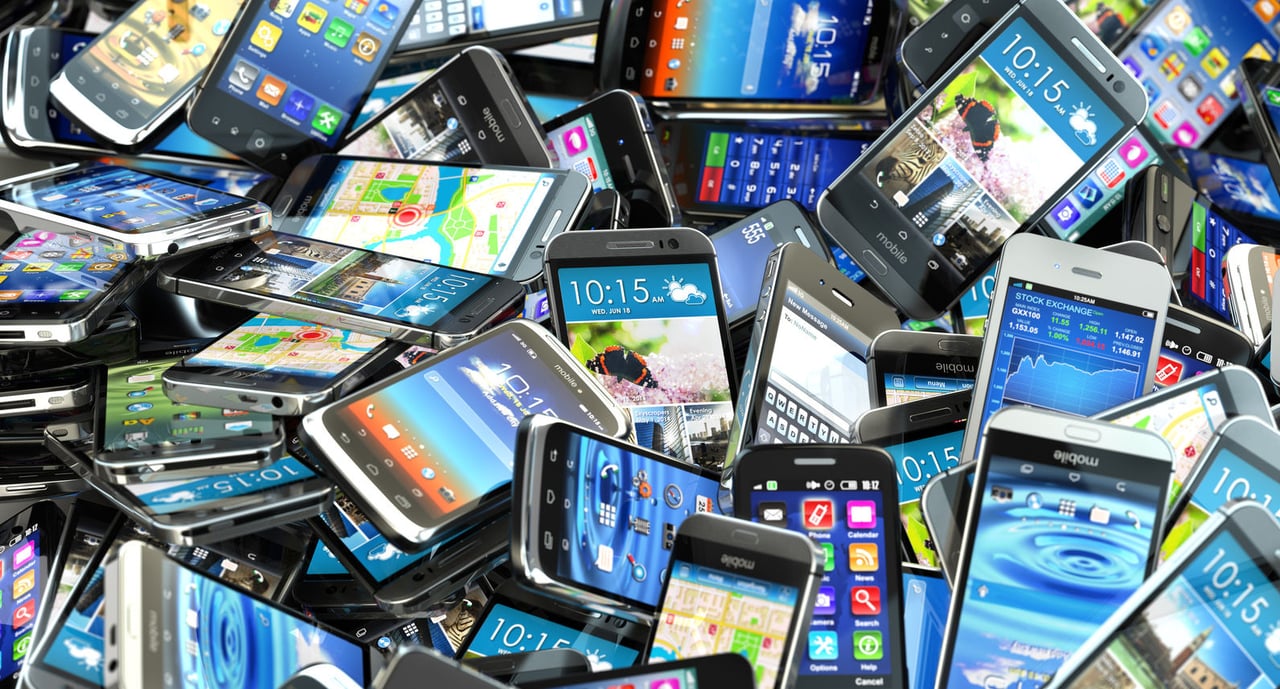
To counter this scepticism, marketplaces like Back Market and Recommerce are professionalising the experience by offering “premium” tiers with new batteries and standardised, audited warranties.
These efforts have proven successful, with some major refurbished tech platforms achieving profitability for the first time in over a decade.
Looking ahead, the market is projected to swell to $100 billion within the next five years.
However, industry leaders at the GSMA warn that this momentum could be threatened by shifting global politics.
Renewed trade tensions and tariffs under the Trump administration may complicate the international movement of parts and devices, potentially slowing down a sector that many environmental advocates believe needs to accelerate to meet global climate goals.