Trending

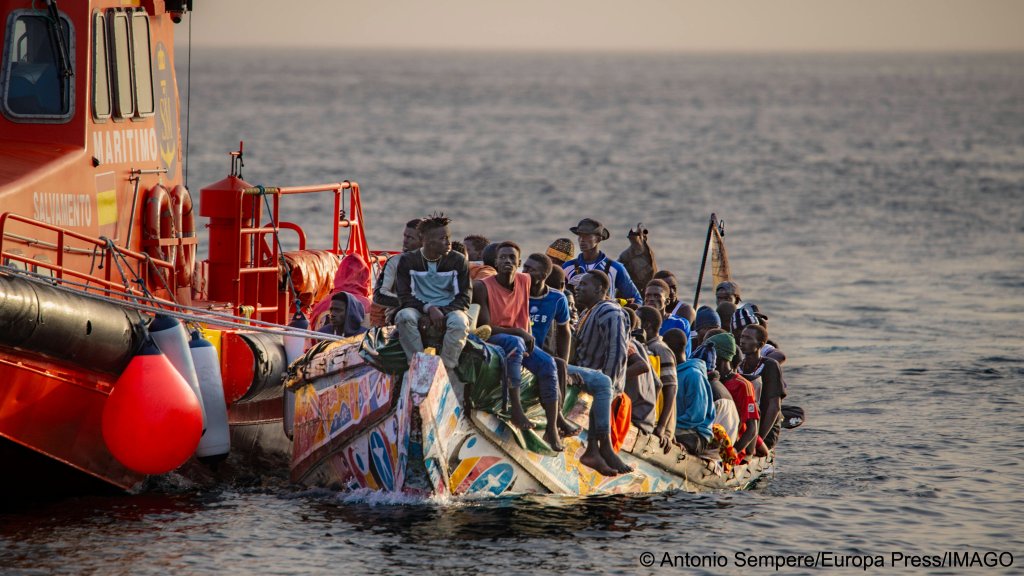
Strict visa rules in Europe have pushed many people toward irregular migration. The Spanish NGO Caminando Fronteras, which monitors migration, confirmed the existence of the new Guinean route to AFP.
Thousands of Guineans have attempted the Atlantic crossing in recent years, a movement the country’s authorities describe as a “haemorrhage”.
The route, which traditionally began from Senegal, Mauritania or Morocco, has expanded southwards. Boats now leave directly from Guinea, increasing both journey time and the dangers migrants face at sea.
At least eight boats carrying more than 100 people each have left since spring, according to groups monitoring migration.
Guineans are now the leading African nationality and the third largest group after Afghans and Ukrainians to apply for asylum in France, the country’s former colonial ruler.

In 2024 a total of 11,336 asylum applications were made, according to France’s refugee agency OFPRA.
Mamadou Saitiou Barry, managing director of the Directorate General for Guineans Living Abroad, confirmed that “several thousand” Guineans embark on the journey each year.
“We are aware of this, because it is us who lose our sons and these young people,” Barry said.
Meanwhile Guinea has increased policing measures in an attempt to staunch the outward flow. Elhadj Mohamed Diallo, director of the Guinean Organization for the Fight Against Irregular Migration (OGLMI), deals with these young people on a daily basis.
“When you tell them that the route is dangerous, most reply: ‘Where we are, we are actually already dead,'” he said, adding that they believe it is better to try.
For many young people, life in Guinea feels like a dead end. Jobs are rare. Salaries are low. Electricity and basic services are unreliable. Even for those who went to school, the future looks blocked.
For many Guineans, the choice is between staying in difficult conditions or risking everything at sea.