Trending

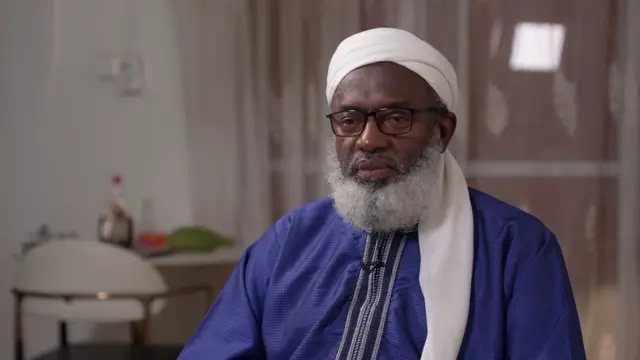
Ahmad Gumi, a Kaduna-based Islamic cleric, has claimed that the Nigerian government knows the identities and locations of terrorists operating across the country, raising fresh questions about the country’s counter-insurgency strategy.
Gumi made the remarks during a recent interview while responding to questions about his controversial role in engaging armed groups through dialogue. The cleric has previously met with bandits and other armed actors in forest locations across northern Nigeria, a move that has attracted criticism from some security analysts and public officials.
“The federal govt (of Nigeria) knows every terrorist by name and location. I do not go alone to negotiate with terrorists. I go with police, military, and other security agencies” — Sheikh Gumi.
The govt knows them.
The govt only chooses to do nothing.— OurFaveOnlineDoc 🇬🇧 🇳🇬 (@OurFavOnlineDoc) March 10, 2026
According to him, the government already possesses detailed intelligence about the individuals involved in terrorism and banditry.
“The government knows every terrorist by name and location,” Gumi said. “I don’t go alone to negotiate. I go with the police, military, and other security agencies.”
He explained that his engagement with armed groups has often involved collaboration with traditional leaders and security agencies. In one instance, he said he travelled deep into forested areas with local leaders and even women as part of attempts to establish dialogue.
“I would go to the Emirs. In fact, when we went to one forest, I even went with women into the bush,” he said.
The cleric also stated that he would be willing to support negotiations with multiple armed groups in Nigeria, including Boko Haram, bandits, and the Indigenous People of Biafra (IPOB), if they are prepared to abandon violence.
“Dialogue can bring peace and we are men of peace,” he said. “Even IPOB, which wants secession, if they are ready to put down their arms and come to a round table to discuss, I’m ready and would support them. All we don’t want is violence.”
Gumi also addressed what he described as a growing mistrust between citizens and the government. According to him, many Nigerians feel that official statements often do not match actions on the ground.
He further argued that resolving insecurity requires a broader strategy that goes beyond military operations. Citing expert recommendations, Gumi said a large portion of the response should focus on non-military measures.
Gumi noted that poor infrastructure, unreliable electricity, weak healthcare systems, and limited educational opportunities continue to fuel instability. He suggested that greater investment in social development could significantly reduce the drivers of insecurity.