Trending
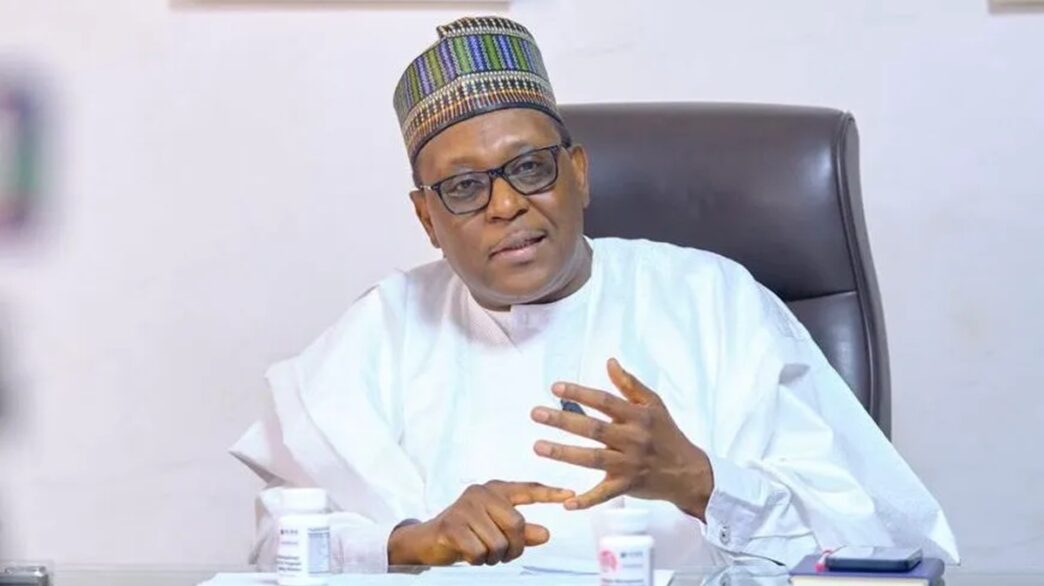
Nigeria’s Health Minister, Professor Mohammed Pate, has disclosed that the Federal Ministry of Health and Social Welfare was unable to implement its 2025 capital budget because only ₦36 million of the ₦218 billion allocated was actually released.
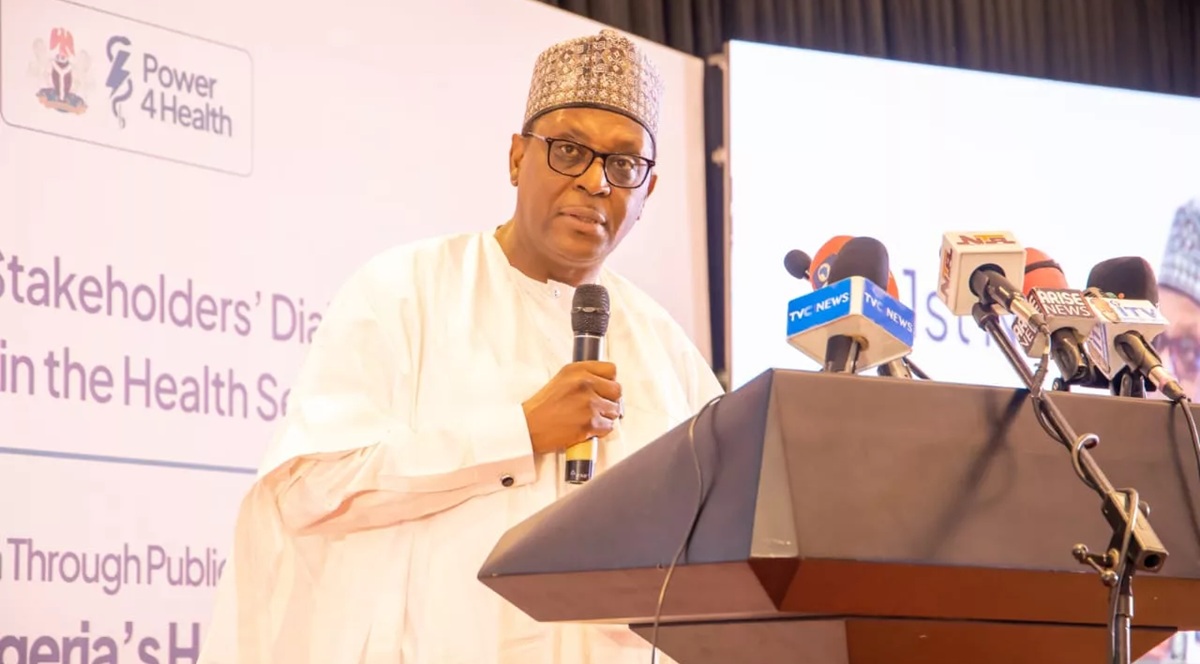
Pate, speaking during the Ministry’s 2026 budget defence before the House Committee on Healthcare Services on Monday, said cash flow constraints and systemic bottlenecks in the federal budget execution process were largely responsible for the underperformance.
He told lawmakers that while personnel costs for 2025 were fully funded and utilised, the capital budget suffered severe shortfalls due to the Office of the Accountant-General of the Federation’s management of cash releases.
According to Pate, the combination of these issues hindered the Ministry’s readiness to execute capital projects, despite its full preparedness.
He further explained that delayed and minimal fund releases have consistently affected critical investments in healthcare infrastructure, equipment procurement, disease control programmes, and primary healthcare revitalisation in previous years.
The minister also stated that underfunding has often led to project roll-overs, under-utilisation of donor funds requiring counterpart financing, and slow completion of hospitals, laboratories, and other public health facilities across the country.
Pate added that the Ministry’s operations are guided by frameworks including Vision 20:2020, the Medium-Term National Development Plan 2021-2025, the National Strategic Health Development Plan II, and the 2016 National Health Policy.
He said the goal remains to ensure Universal Health Coverage, strengthen primary healthcare, and deliver accessible, equitable, and high-quality services nationwide.
On the 2026 budget, Pate explained that proposals were developed using the Government Integrated Financial Management Information System and aligned with the Nigerian Government’s policy priorities.
He added that the budget draws on the Ministry’s Strategic Blueprint Initiatives and the National Health Policy to guide the implementation of ministerial projects and support the achievement of Universal Health Coverage goals.