Trending

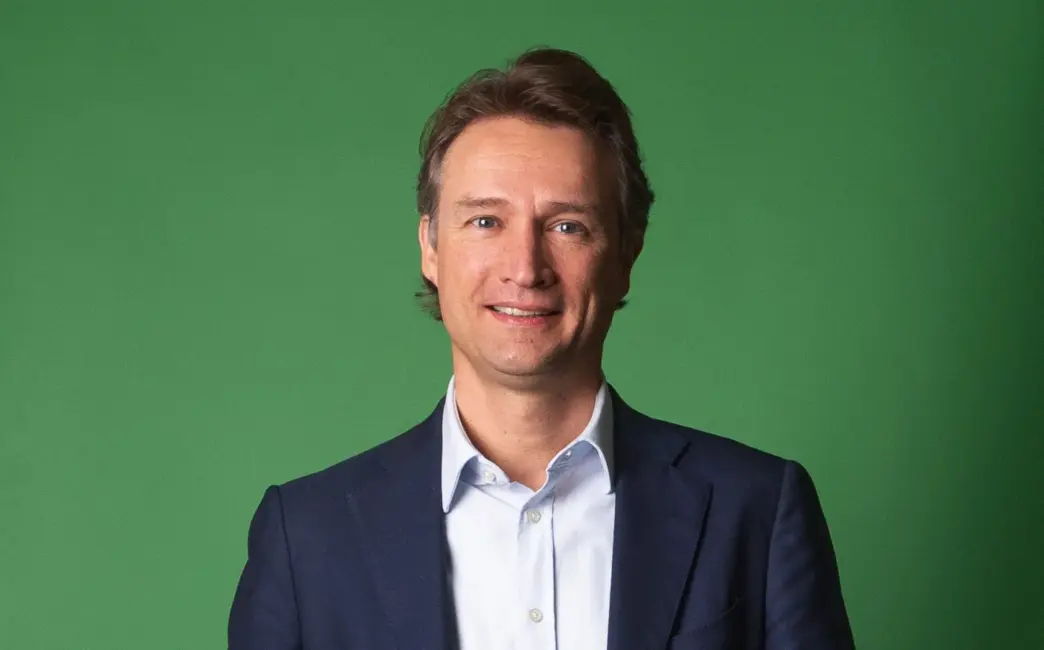
Heineken chief executive Dolf van den Brink resigned on Monday, ending six years at the helm of the Dutch brewing giant just months after unveiling a new long-term strategy, as the global beer industry struggles to boost consumption.
Van den Brink assumed leadership of the world’s second-largest brewer in June 2020, at the height of the COVID-19 pandemic.
Since then, he has steered the company through a turbulent period marked by sharp cost inflation, declining beer sales, squeezed margins, and pressure on Heineken’s share price.
Announcing his departure, Heineken’s board said it has begun the process of searching for a successor to lead the producer of brands including Heineken, Tiger, and Amstel.
Van den Brink will step down officially on May 31 but has agreed to remain on hand as an adviser for eight months from June.
Both van den Brink and supervisory board chairman Peter Wennink said the timing was right for a leadership change, following the launch of Heineken’s new strategy in October, which runs through to 2030.
Van den Brink said the company had reached a point where new leadership would best support the execution of its long-term ambitions, hinting that he remains fully committed to delivering the strategy until his exit.
Following the announcement, Heineken shares fell by about two per cent in morning trading.
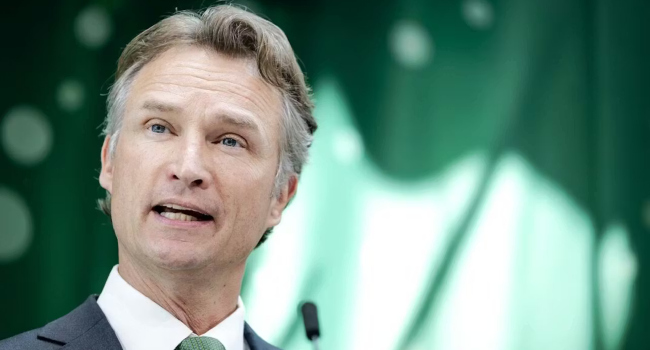
Van den Brink joins a growing list of consumer goods chief executives to leave their roles after several challenging years for the sector, as high living costs have squeezed consumer spending.
Brewers in particular have struggled to grow volumes, with hopes of a sustained recovery repeatedly disrupted by factors such as poor weather and political uncertainty.
Heineken has also lagged behind some rivals in cost efficiency and investor returns.
The incoming chief executive will face the task of delivering Heineken’s 2030 targets against a backdrop of global economic and political volatility.
Concerns over rising competition, the growing use of weight-loss drugs that may dampen food and drink demand, and changing attitudes towards alcohol, especially among younger consumers, continue to weigh on the industry.
Under the 2030 plan, the new leader will need to sharpen Heineken’s focus on selected brands and markets while meeting sales, profit and cost-saving goals.
During his tenure, van den Brink navigated disruptions in key markets such as Nigeria and Vietnam, investor criticism over earnings guidance, major acquisitions in India and South Africa, and significant restructuring programmes.
The company has also faced challenges, including a pricing dispute with European retailers in 2025 that temporarily saw some Heineken products removed from store shelves.