Trending
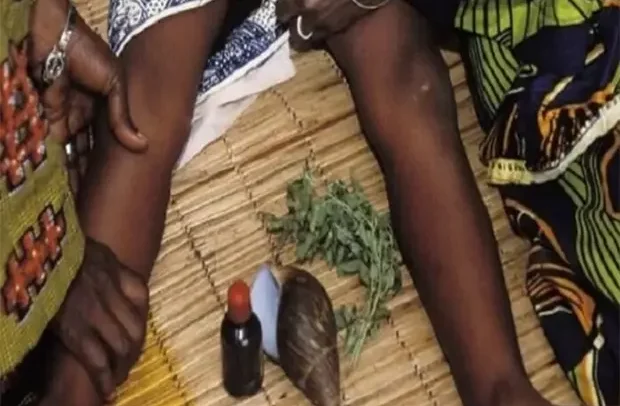
Across Africa, courts are increasingly emerging as a critical front in the fight against Female Genital Mutilation (FGM), challenging a practice long protected by silence, tradition and weak enforcement.
The ritual began one day in 2010 when Ruth, who was already an adult with a husband and children at the time, was snatched from her home and dragged into a bush. There, some women facilitated and performed the cutting, threatening to kill Ruth if she spoke.
She was kept in captivity for a month by the Sande secret society and forced to take an oath of secrecy as part of an initiation ritual, according to the case study Republic of Liberia v. Dante Kerkula and Meima Kanneh.
When she was released, Peal was not free. Complications from the cutting left her hospitalised for months. Her body struggled to heal. She went to the West Point Women for Health and Development Organisation. Staff at the facility transported her to Monrovia for a medical examination.
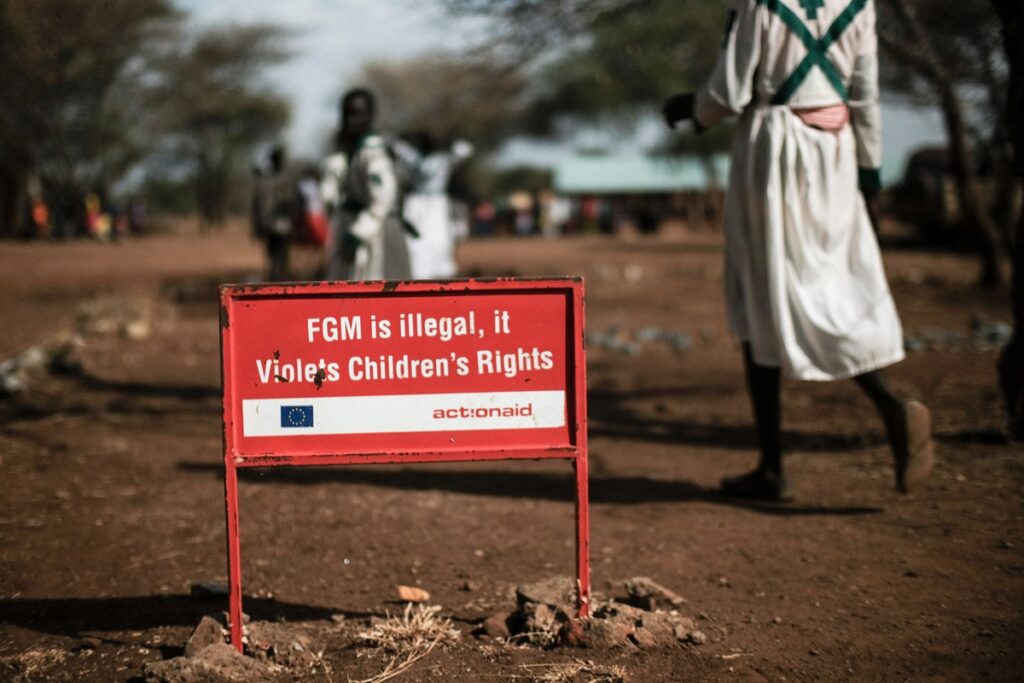
When it was confirmed she had been cut, women’s rights groups mobilised around her case, according to a February report by Equality Now, a human rights organisation that works with local, national and regional partners to support legal and systemic changes needed to end violence and discrimination against women and girls around the world.
Peal’s decision to use the court system to make a legal claim against the people who forced her to undergo FGM would reverberate far beyond Liberia. Her case unfolded against a disturbing global reality. More than 230 million women and girls worldwide have undergone FGM, according to Equality Now.
The practice has been documented in at least 94 countries, yet only 59 have specific laws prohibiting it, showing how uneven the legal landscape remains.
Liberia at the time had no explicit law criminalising FGM, so prosecutors pursued the case under kidnapping and felonious restraint. It was a legal workaround that revealed both the limits of the system and its potential.
In Peal’s case, two women from the Sande society were eventually convicted and sentenced to three years’ imprisonment, according to reporting by the Thomson Reuters Foundation.
The courtroom became a site of confrontation between tradition and accountability. Traditional leaders opposed the case. Lawyers feared intimidation. The defendants were later released early, a setback that exposed how fragile enforcement could be.
“This legal process stirred resistance from traditional councils,” Cooper said. “Those who were judges, people who were lawyers at the time, were afraid for their lives because the FGM practice, which is connected to the Sande Society, is powerful here in Liberia.”
Peal’s life was permanently altered. She faced threats. She relocated for safety. Relations between her and her husband became strained. Nonetheless, her case made history. Journalists filled the courtroom, witnessing for the first time a prosecution linked to FGM. Advocacy coalitions strengthened their support networks. The silence surrounding the practice was broken, according to Equality Now.
Peal’s story is not only Liberia’s. It is part of a wider continental shift documented in a new report by Equality Now, supported by Thomson Reuters Foundation’s TrustLaw, that highlights how courts across Africa are playing a growing role in preventing female genital mutilation.
The shift is unfolding despite a persistent enforcement gap. Equality Now notes that prosecutions and convictions remain rare globally, even in countries where laws exist, and that Africa, despite having the highest number of anti-FGM laws, still records low sanctions and limited accountability.
In Burkina Faso, strategic litigation produced one of the clearest examples of how legal consequences can reshape policy. Between 2016 and 2020, local civil society groups reported 195 people found guilty of FGM-related offences in Burkina Faso, with sentences of up to two years without parole, according to Equality Now.
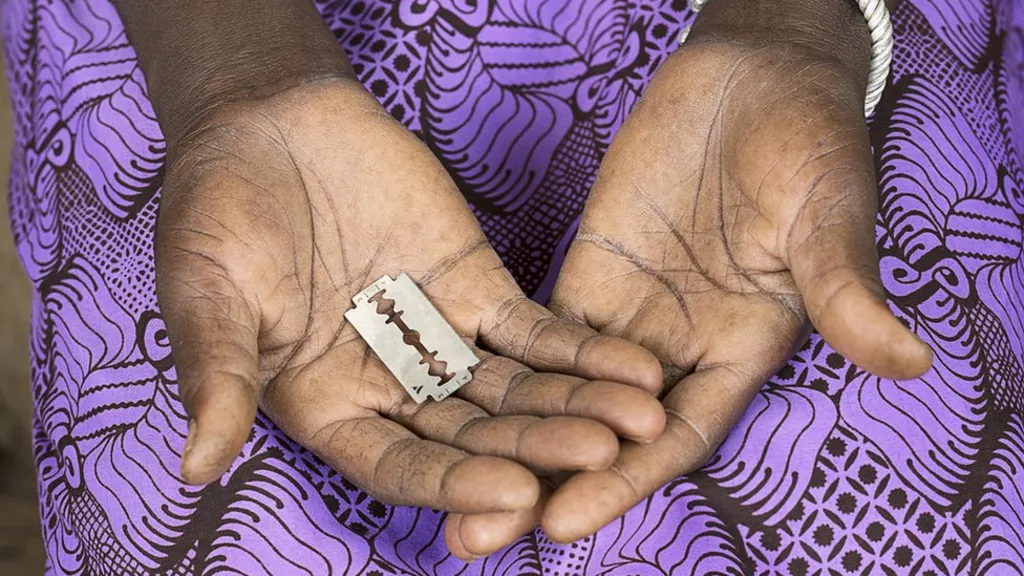
The trial also pushed legal reform. In 2017, a landmark trial in Ziniaré prosecuted Diallo Talato and 18 others for facilitating or commissioning FGM. Talato, a repeat offender, admitted to cutting at least 13 girls, according to Equality Now. She was sentenced to four years in prison. Burkina Faso amended its Penal Code in 2018, increasing maximum sentences for practising FGM from three to eleven years.
“CSOs in Burkina Faso are now more receptive to strategic litigation as one of the key strategies to advocate for women’s rights,” said Raphael Zongonaba, Executive Director of Voix de Femmes.
In Kenya, the courtroom battle was not about whether the cutting occurred, but whether the law itself could be undone. In 2017, a constitutional petition challenged the Prohibition of Female Genital Mutilation Act of 2011. A Kenyan doctor argued that adult women should be permitted to undergo medicalised FGM under the guise of consent, claiming the ban violated rights to autonomy and cultural identity. Civil society groups, including Equality Now, intervened, coordinating legal strategy alongside government offices and other partners.
“It sought to introduce medicalisation,” explains Esther Waweru, a senior legal advisor at Equality Now. “If it weren’t defended, it would have swayed people to say, actually, it’s about harm reduction and consent; it’s ok.”
In 2021, Kenya’s High Court dismissed the petition in its entirety, upholding the constitutionality of the Anti-FGM Act. The ruling preserved one of the continent’s strongest legal frameworks. Kenya has also recorded some of Africa’s more visible enforcement activity. Between 2018 and 2021, authorities made 303 arrests, brought nearly 300 cases to court, and secured 55 convictions or sanctions, according to Equality Now.
In The Gambia, the law existed, but enforcement revealed another layer of fragility. In January 2023, a traditional cutter performed FGM on several young girls in Bakadaji-Mandinka town, according to Equality Now’s case study IGP v. Yassin Fatty, Nano Jawla, and Kadijatu Jallow. Despite clear evidence, police were initially reluctant to arrest, and the state hesitated to pursue charges. Activists demanded accountability, launching a campaign to compel the law to act.
“I said we have to pursue it,” according to Isatou Touray, Executive Director of the Gambia Committee on Traditional Practices Affecting the Health of Women and Children, known as GAMCOTRAP, and former Vice President of The Gambia.
In August 2023, the defendants pleaded guilty. They received one-year prison sentences commuted to fines, meaning no prison time was served. For many campaigners, the case was historic but also deeply revealing.
“It allowed us to test the waters to see what it would look like litigation-wise,” said Musu Bakoto Sawo, a human rights lawyer and survivor advocate.
But backlash followed quickly.
“They started making comparisons of women who have experienced FGM,” Sawo said. “They started saying that those other survivors who are now openly speaking about their experience are being paid by the West. This resulted in some people even going into hiding.”
Equality Now notes that across the ten countries studied in its report, there is a lack of publicly available, comparable data on prosecutions and convictions, leaving enforcement trends difficult to track. Survivors and witnesses also remain vulnerable.
“The threat of a social boycott is always there in the community,” said Masooma Ranalvi, a survivor activist.
“Anybody who would openly come out with their name and identity would be instantly targeted, and they would be isolated within the community.”
Justice, campaigners argue, must also go beyond punishment.
“Yes, the perpetrator may be jailed, but then what?” says Catherine Mootian, a survivor of FGM in Kenya and director of AfyAfrica. “If we want justice, we must make sure both sides are catered for. That means psychosocial support, education, and the support women need to heal and achieve their dreams.”
Credit: Bonface Orucho, Bird Story Agency