Trending
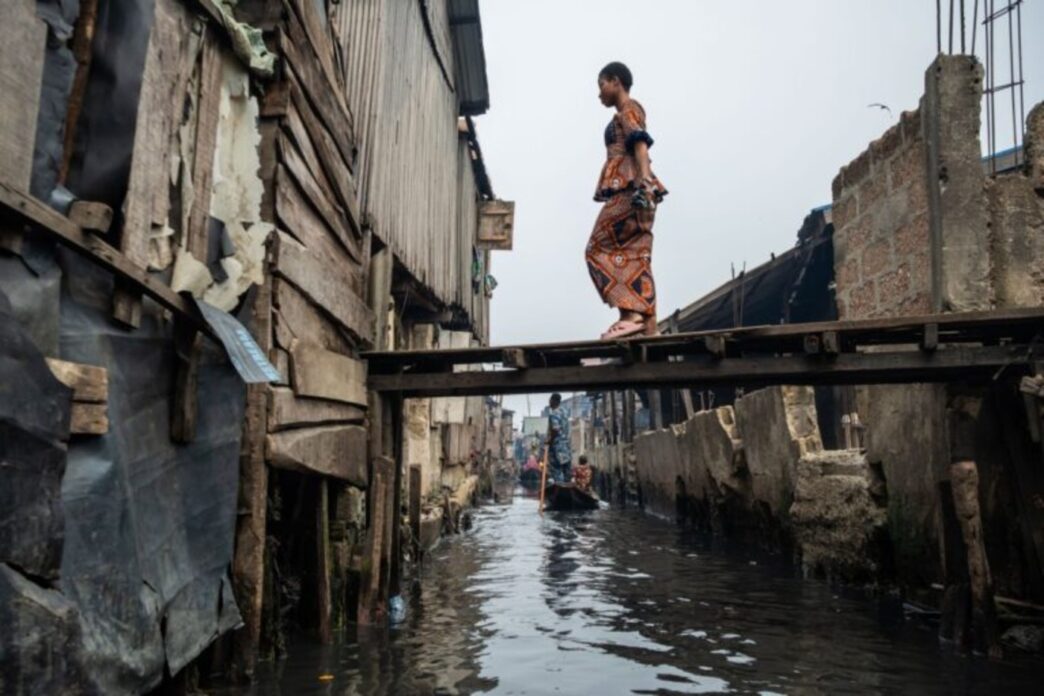
In recent days, amphibious excavators escorted by armed police have moved through Makoko, Africa’s largest and most iconic floating settlement, tearing down hundreds of wooden homes built on stilts over the lagoon in central Lagos.
The exercise forms part of a wider campaign that the Lagos State government says targets illegal structures, but critics argue it aims to reclaim waterfront land for property development.
Rights groups report that police fired teargas during the operation, leading to the deaths of three people, including two babies, since the demolitions began two days before Christmas.
Residents insist officials carried out the demolitions without warning, a claim the state government denies. An NGO says the exercise has displaced more than 30,000 people.
“They treated us as if we were less than animals,” said Alex Wusa, a 25-year-old teacher, speaking to AFP from a canoe. He said authorities destroyed his home, his shop, and the school where he works.
Makoko’s population remains uncertain, with estimates ranging from 80,000 residents, according to NGO JEI, to more than 300,000, according to local chiefs.
The stilted community, perched above Lagos’s polluted lagoon, symbolises both extreme urban poverty and resilience. It also sits at the centre of persistent land disputes in the megacity, which usually end with wealthier interests displacing poorer residents. Authorities frequently choose demolition over providing electricity, roads, or schools.
Makoko, which lacks basic services such as power, clean water, and adequate schools, has existed for more than a century and is home to low-income residents who depend largely on fishing and informal trade. The community faced similar demolitions in 2005 and 2012, when a leader reportedly died during a clearance operation.
During a recent AFP visit, many displaced families, including children and pets, slept in canoes. Overnight, rain soaked their temporary shelters. “This suffering is too much,” said fishmonger Iyabo Olaleye, who lost two houses and said her children had nowhere dry to sleep.
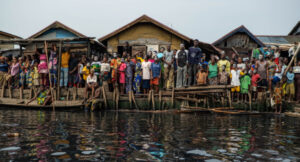
State officials defend the demolitions on safety and urban renewal grounds, saying all structures within 100 metres of high-tension power lines crossing the lagoon were marked for removal. Lagos urban renewal chief Gbolahan Oki said residents had received at least 14 days’ notice, a claim NGOs dispute.
A coalition of five NGOs accused the government of demolishing homes beyond the stated safety zone and colluding with powerful landowning families and corrupt developers. They pointed to ongoing dredging, sand filling, and land reclamation in nearby areas, where luxury developments often replace informal settlements.
Officials also argue that many of the demolished buildings lacked planning approval and posed environmental risks. Residents reject these claims and accuse the government of land grabbing for private projects.
Lagos faces one of Africa’s worst housing shortages, despite being Nigeria’s smallest state by landmass and its largest city by population. Experts note that while slums are cleared, thousands of homes in wealthy neighbourhoods remain empty because of high rents.