Trending

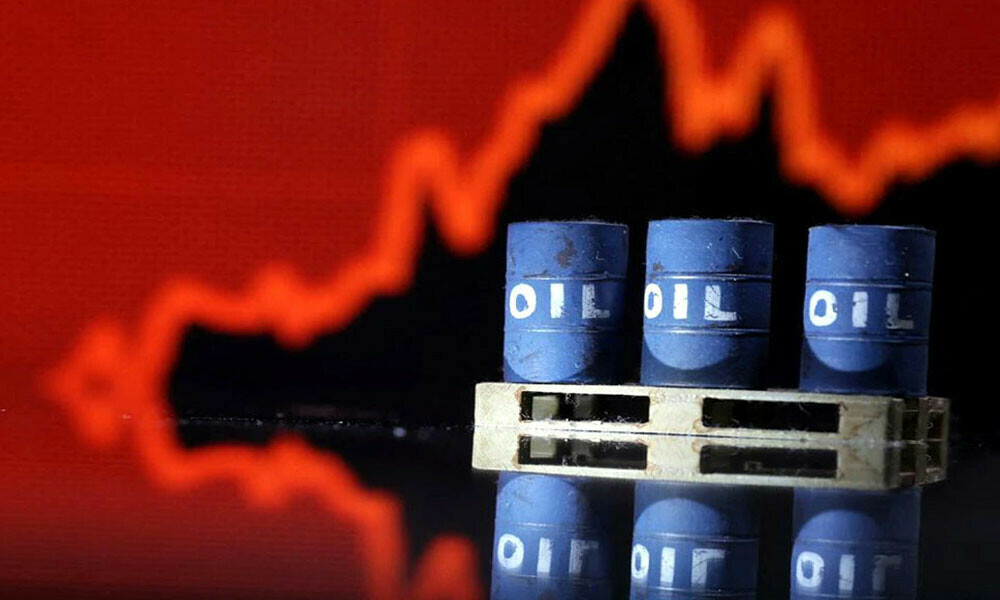
Oil prices retreated on Wednesday following reports that the International Energy Agency (IEA) had proposed the largest release of emergency crude reserves in its history.
This move is designed to stabilise global markets and curb soaring costs triggered by the ongoing conflict with Iran.
Following the news, Brent Crude fell to $87.06, while West Texas Intermediate (WTI) dropped over one per cent to settle at $82.60.
The proposed intervention comes after a period of extreme volatility; earlier in the day, WTI prices had jumped 5% due to heightened tensions in the Strait of Hormuz.
While energy markets remain sensitive to President Trump’s rhetoric regarding the Iranian naval blockade, the prospect of a massive supply influx provided some relief.
Member states are expected to finalise the details of the reserve release later today.
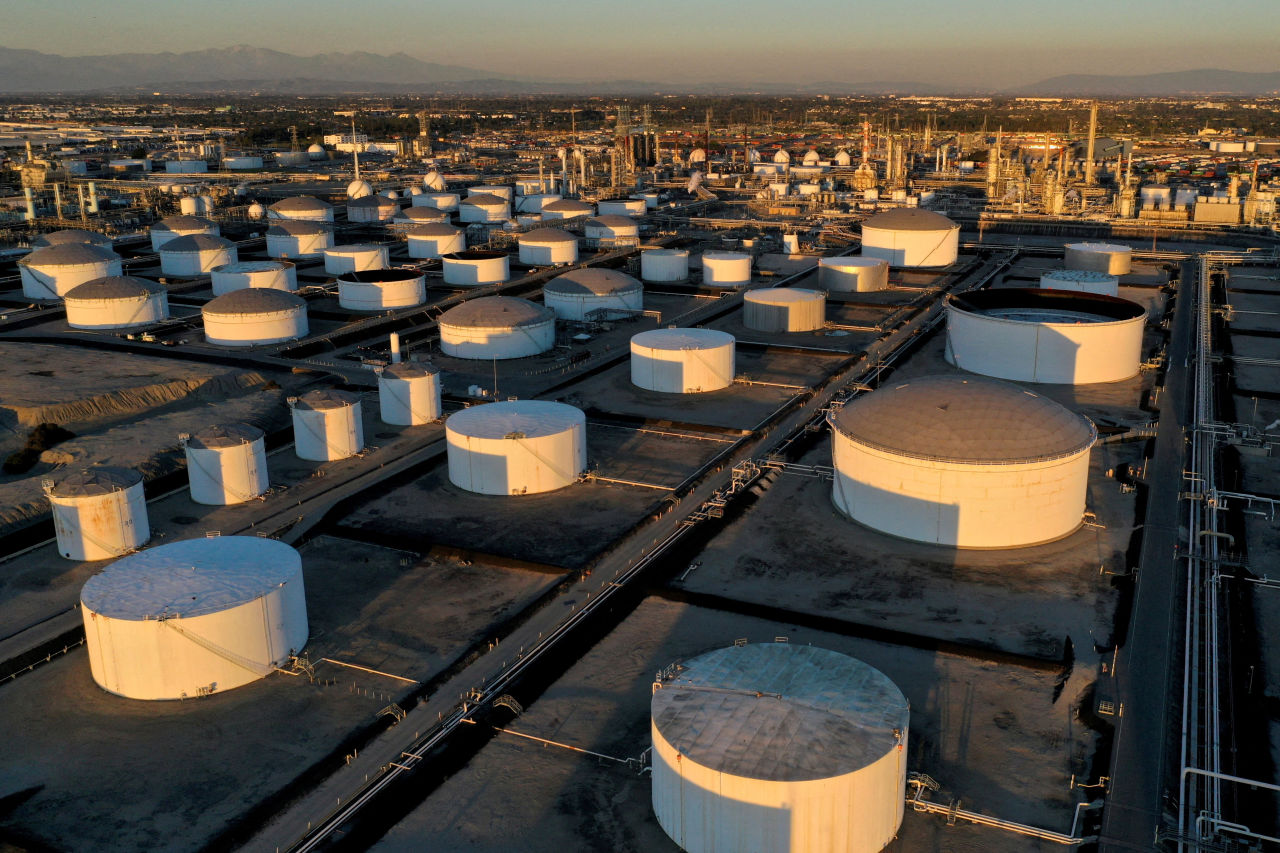
As oil prices cooled, major Asian stock markets saw a significant boost.
In Tokyo, the Nikkei index rose by approximately 2%, while South Korea’s Kospi gained 2.5%, reflecting investor optimism that a coordinated global response might mitigate the economic fallout of the war.
The global energy crisis was sparked on February 28, 2026, when a joint US-Israeli offensive led to the death of Iran’s Supreme Leader.
In retaliation, Tehran utilised its naval assets to effectively close the Strait of Hormuz—a transit point for 20% of the world’s oil.
This “tanker war” sent prices above $100 per barrel earlier in the week, prompting the IEA to consider this unprecedented emergency intervention to prevent a global recession.