Trending
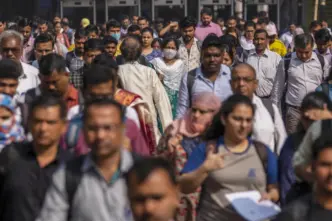
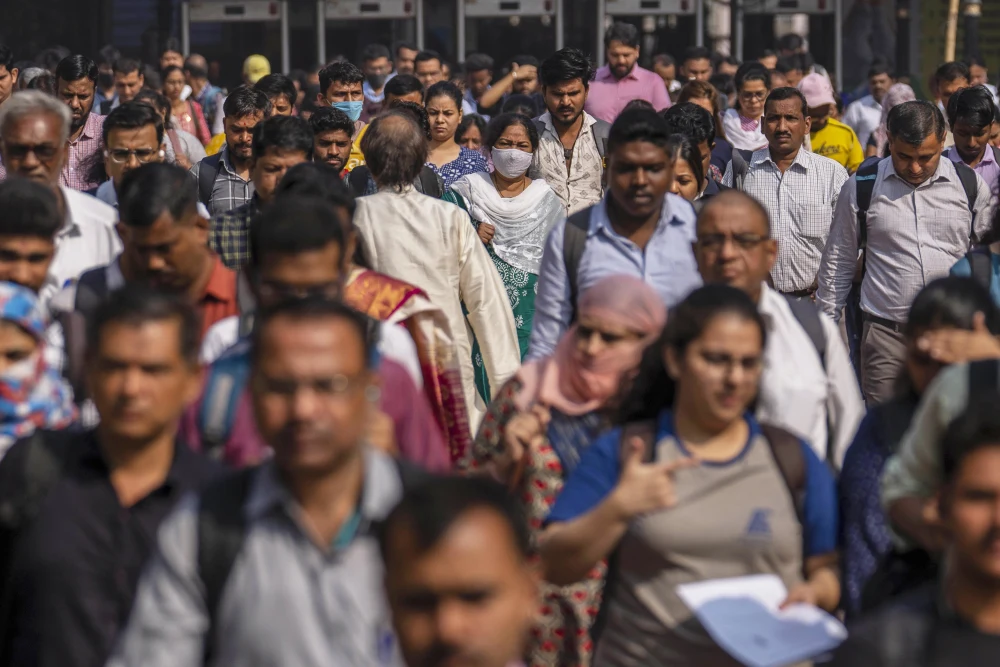
India will begin the world’s largest-ever census on Wednesday, with over 3 million officials participating in a massive exercise expected to last for the next year.
The nation, home to approximately 1.4 billion people, is grappling with challenges in providing basic services like electricity, food, and housing to its growing population. Many of its megacities are already struggling with water shortages, pollution, and overcrowded slums, making this census crucial for informed policy-making.
The Indian government has called this $1.24 billion census a “gigantic exercise of national importance” aimed at supporting “inclusive governance and evidence-based policy formulation.”
For the first time, the census will include the controversial issue of caste, an ancient social hierarchy dividing Hindus by function and social standing. The caste issue has long been contentious, with past surveys such as the 2011 caste census remaining unpublished due to inconsistencies.
The census will unfold in two phases. The first, starting Wednesday and running through September, will focus on recording housing and amenities. This phase will involve both door-to-door visits and an option for self-enumeration through an app that integrates satellite imagery and offers 16 languages for accessibility.
The second phase will focus on more detailed population data, including demographic, social, and economic information, as well as the caste question.
The 2024 general election, the largest democratic event in history, was conducted across seven phases over six weeks. Likewise, the census will be a logistical feat. It will be conducted across India, leading up to March 1, 2027, with higher-altitude regions like Jammu and Kashmir being surveyed earlier, before October 1, 2026, to avoid snow interference.
The last census in India was held in 2011, but the 2021 census was delayed due to the COVID-19 pandemic. This new census follows the UN’s 2023 estimate, which declared India the world’s most populous country, surpassing China with over 1.42 billion people.
The data collected will be vital in addressing the growing challenges India faces as it seeks to accommodate a rapidly expanding population. The census will provide policymakers with the tools needed for targeted solutions to improve infrastructure, reduce inequality, and support sustainable growth.