Trending

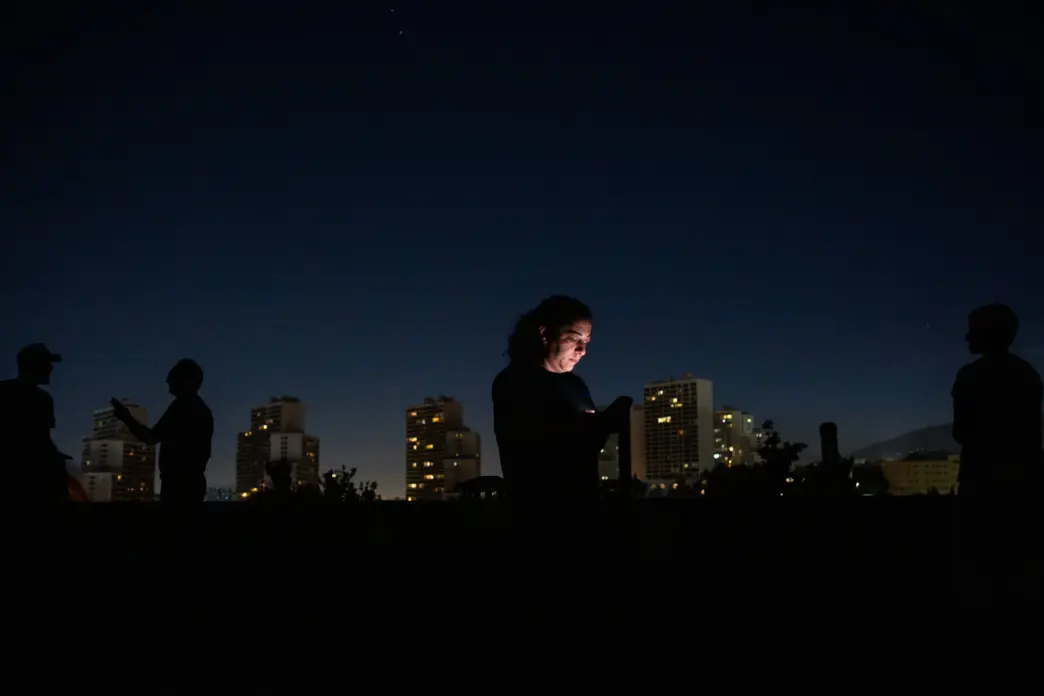
Iran’s internet remains “around 1 percent of ordinary levels”, leaving most citizens unable to access independent news or communicate with the outside world, according to internet monitor Netblocks.
Authorities shut down internet access on Saturday after Israel and the United States launched air strikes, sending the country into an information blackout.
“Iran’s internet blackout has now exceeded 120 hours with connectivity still flatlining around 1 percent of ordinary levels,” Netblocks said in a post on social media platform X on Thursday.
Some Iranians are managing brief windows of connectivity to send messages, while others have turned to illegal Starlink subscriptions, the Elon Musk-owned satellite internet service. Calls from abroad to Iranian mobile phones or landlines are nearly impossible.
“The internet speed is very slow,” a Tehran resident told AFP, asking to remain anonymous.
“You can’t call and voice messages don’t get delivered. We can just text.”
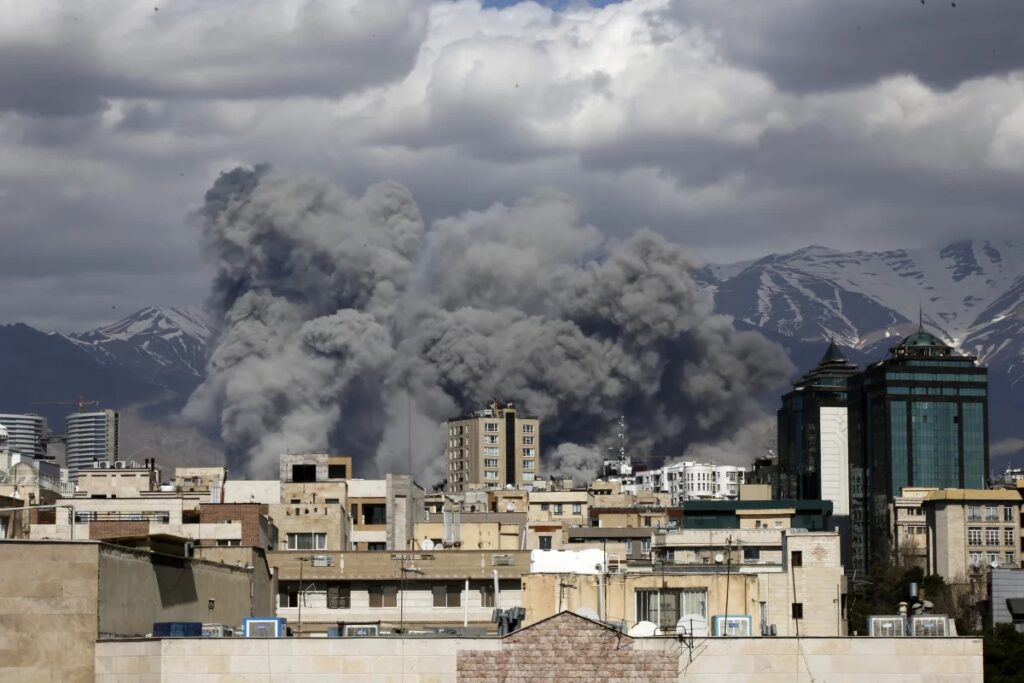
Netblocks added that Iranian telecom companies are now sending messages that “threaten users who try to connect to the global internet with legal action.”
Iran has previously shut down the internet for weeks during nationwide protests in January and again during a 12-day conflict with Israel last June.
“The internet situation here is abysmal,” said a resident in Bukan, western Iran, who also asked not to be named.
“It connects and disconnects. The connection is slow so the VPNs don’t work.”
Under normal conditions, Iranians rely on VPNs to access banned Western services like Instagram. Those who still have internet are helping others stay informed.
Shima, 33, in Tehran, said she has been sharing updates with friends about life in the capital, which has faced repeated missile and bombing strikes since Saturday.
“I need to call a lot of people, even strangers, on behalf of their families,” she said.
Along Iran’s borders, travellers fleeing the conflict report moving without internet access or navigation tools like Google Maps.