Trending
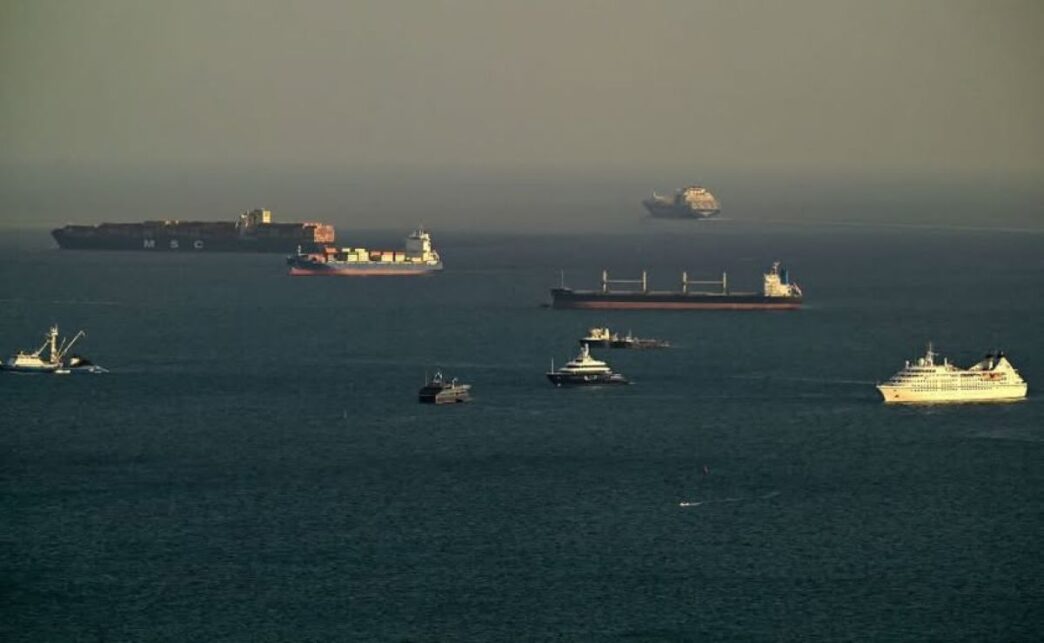
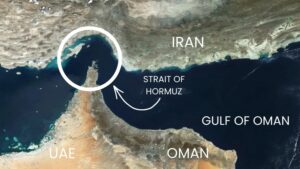
Iran has announced alternative routes for ships passing through the Strait of Hormuz, citing the increasing risk of sea mines in the primary shipping lanes.
This decision comes as Tehran temporarily reopens the strait, which is crucial for global oil shipments, under the terms of a two-week truce agreed upon with the United States.
The Strait of Hormuz, through which approximately one-fifth of the world’s oil passes, has been a focal point of geopolitical tension in recent months.
Tehran’s Revolutionary Guards issued a statement on Thursday urging all vessels intending to navigate the waterway to follow newly designated routes to ensure safety and avoid potential collisions with sea mines.
“All ships intending to transit the Strait of Hormuz are hereby notified that in order to comply with the principles of maritime safety and to be protected from possible collisions with sea mines, they should take alternative routes for traffic in the Strait of Hormuz,” the statement said, as quoted by local media.
This move comes on the heels of a landmark agreement between the United States and Iran, which saw both countries agree to a two-week ceasefire. The truce was brokered just before a looming deadline set by US President Donald Trump, who had previously threatened to take aggressive action against Iran if it did not comply with demands related to the reopening of the vital shipping route.
Tehran had effectively blocked access to the strait since early March, causing a spike in global energy prices due to disruptions to oil transportation.
As the situation evolves, attention will remain on how both sides navigate the coming weeks and whether further agreements can be reached to ensure the safe and continuous passage of ships through the Strait of Hormuz.