Trending
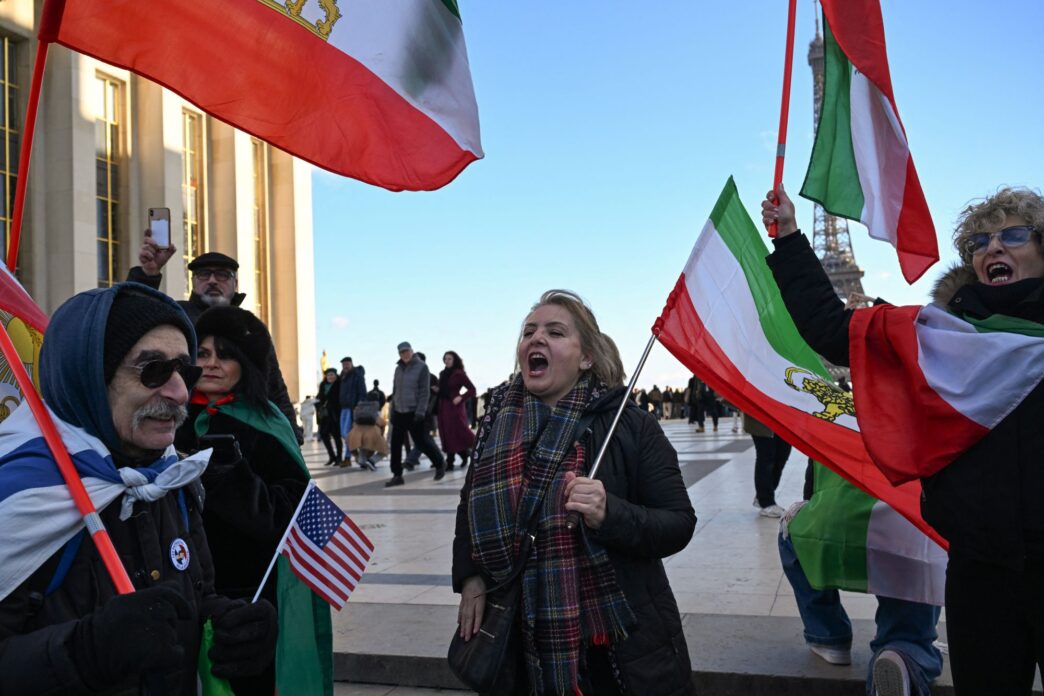
At least 192 protesters have been killed in Iran’s biggest movement against the Islamic Republic in more than three years, a rights group said Sunday, as warnings grew that authorities were committing a “massacre” to quell the demonstrations.
The protests, initially sparked by anger over the rising cost of living, have now become a movement against the theocratic system in place in Iran since the 1979 revolution and have already lasted two weeks.
The mass rallies are one of the biggest challenges to the rule of Supreme Leader Ayatollah Ali Khamenei, 86, coming in the wake of Israel’s 12-day war against the Islamic Republic in June, which was backed by the United States.
Protests have swelled in recent days despite an internet blackout that has lasted more than 60 hours, according to monitor Netblocks, with activists warning the shutdown was limiting the flow of information and the actual toll risks being far higher.
“Since the start of the protests, Iran Human Rights has confirmed the killing of at least 192 protesters,” the Norway-based non-governmental organisation said, warning that the deaths “may be even more extensive than we currently imagine”.
Videos of large demonstrations in the capital, Tehran, and other cities over the past three nights have been circulating despite the internet cut, which has made normal communication with the outside world impossible via messaging apps or even phone lines.
Video verified by AFP showed large crowds taking to the streets in new protests on Saturday night in several Iranian cities, including Tehran and Mashhad in the east, where images showed vehicles set on fire.
State TV on Sunday broadcast images of funeral processions for security forces killed in recent days, as authorities condemned “riots” and “vandalism”. National police chief Ahmad-Reza Radan said authorities made “significant” arrests of protest figures on Saturday night, without giving details on the number or identities of those arrested, according to state TV.
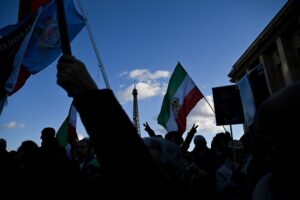
Iran’s security chief Ali Larijani drew a line between protests over economic hardship, which he called “completely understandable”, and “riots”, accusing them of actions “very similar to the methods of terrorist groups”, Tasnim news agency reported.
Iran’s President Masoud Pezeshkian said “rioters” must not disrupt Iranian society.
“The people (of Iran) should not allow rioters to disrupt society. The people should believe that we (the government) want to establish justice,” he told state broadcaster IRIB.
Reza Pahlavi, the exiled son of the ousted Shah, who has played a prominent role in calling for the protests, called for new actions later Sunday.
US President Donald Trump has spoken out in support of the protests and threatened military action against Iranian authorities “if they start killing people”.
Israel’s Foreign Minister Gideon Saar urged the European Union on Sunday to designate Iran’s Revolutionary Guards Corps as a “terrorist organisation” over the suspected violence against protesters.
He also said Israel supports the Iranian people’s “struggle for freedom”.
Iran’s parliament speaker, Mohammad Bagher Ghalibaf, said Iran would hit back if the US launched military action.
“In the event of a military attack by the United States, both the occupied territory and centres of the US military and shipping will be our legitimate targets,” he said in comments broadcast by state TV.
He was apparently also referring to Israel, which the Islamic Republic does not recognise and considers occupied Palestinian territory.