Trending
Iran’s water and energy infrastructure has sustained severe damage following strikes by the United States and Israel, the country’s energy minister said on Sunday.
The attacks, which began on February 28, killed Iran’s supreme leader and have escalated tensions across the Middle East.
“The country’s vital water and electricity infrastructure has suffered heavy damage following terrorist and cyber attacks by the United States and the Zionist regime,” Energy Minister Abbas Aliabadi told ISNA news agency.
He added that “the attacks targeted dozens of water transmission and treatment facilities and destroyed parts of critical water supply networks.”
Aliabadi noted that efforts were underway to repair the damage.
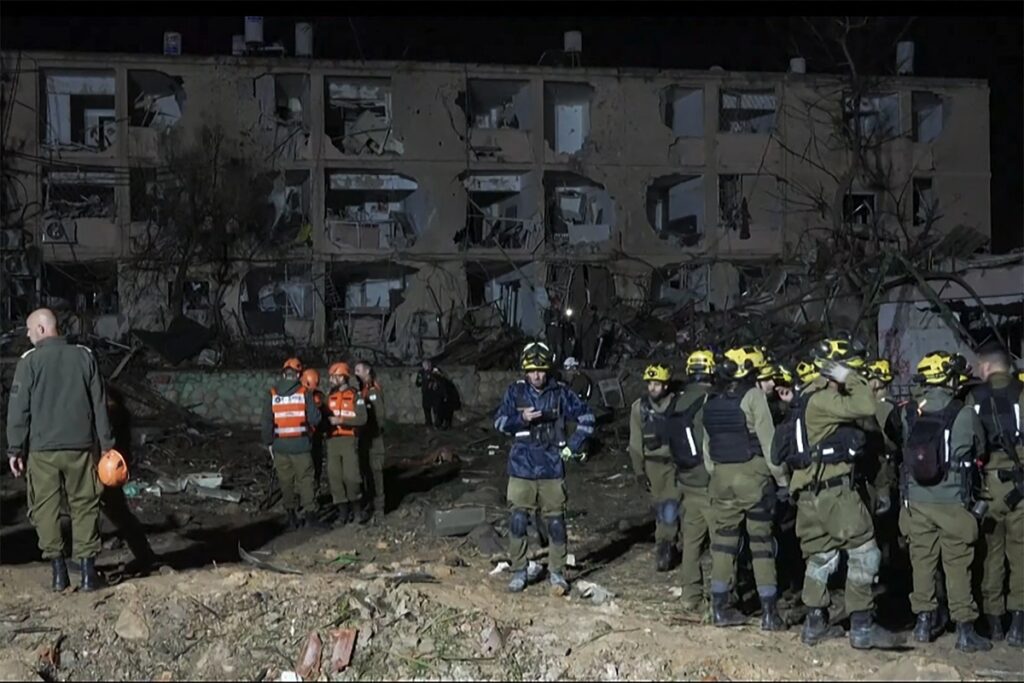
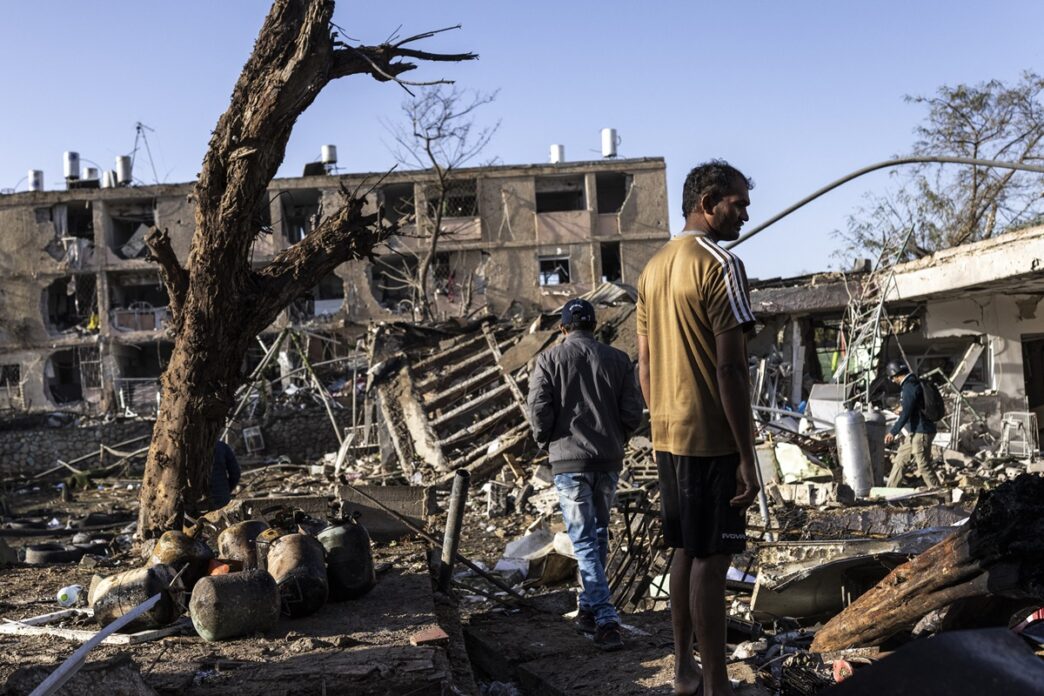
The strikes tore open the facades of residential buildings and carved craters into the ground. Dimona hosts a facility widely believed to be the site of the Middle East’s only nuclear arsenal, although Israel has never admitted to possessing nuclear weapons. (Photo by Jorge NOVOMINSKY / AFPTV / AFP) /
Earlier on Sunday, US President Donald Trump warned that Iran’s power plants could face further strikes if the country did not reopen the strategic Strait of Hormuz within 48 hours.
The Strait of Hormuz, a key shipping lane for roughly 20 percent of global crude oil and liquefied natural gas, has seen severely disrupted traffic since the outbreak of hostilities.
Iranian forces have reportedly attacked several vessels they said ignored warnings against transiting the waterway.
In recent days, some ships from countries Iran considers friendly have been allowed to pass, while vessels from nations viewed as participating in the “aggression” have been blocked.
In retaliation to Trump’s threat, Iran has warned it may target energy infrastructure and desalination plants in the region.