Trending
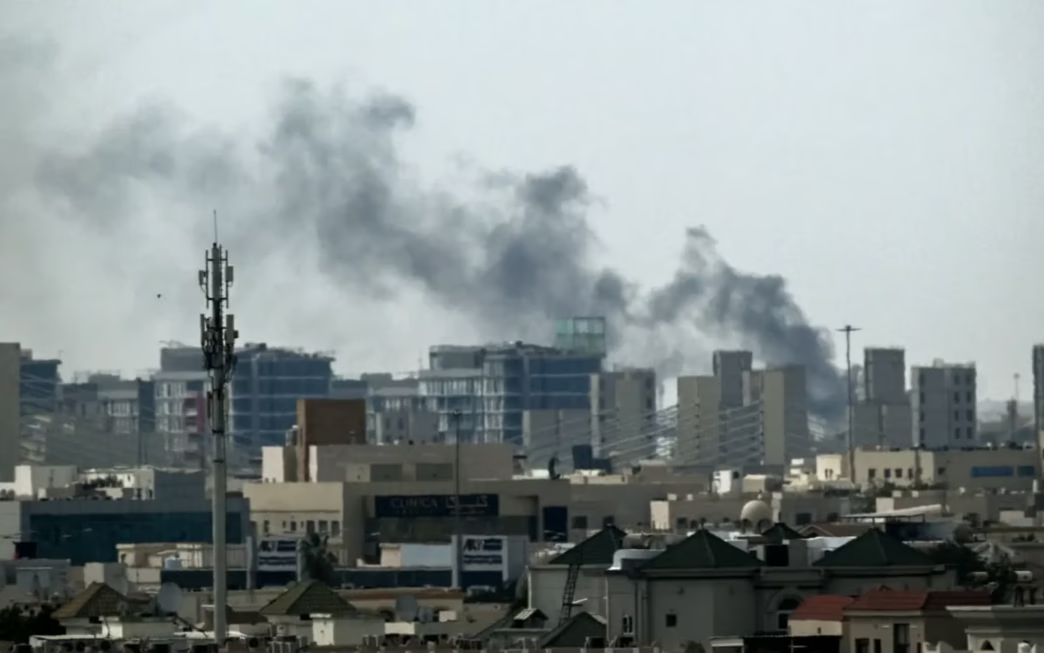
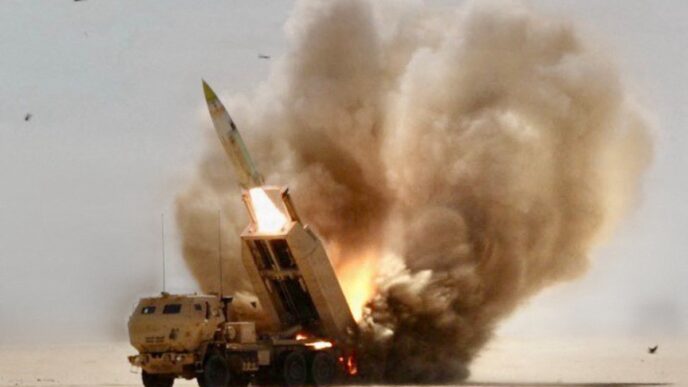
Qatar’s state energy firm reported Thursday that Iranian missile strikes caused “extensive damage” to Ras Laffan, the world’s largest gas hub.
The attack triggered a massive blaze visible from 30 kilometres away, prompting Qatar to order all Iranian military and security personnel to leave the country within 24 hours.
QatarEnergy Statement on Missile Attacks on Ras Laffan Industrial City
QatarEnergy confirms that Ras Laffan Industrial City this evening has been the subject of missile attacks.
Emergency response teams were deployed immediately to contain the resulting fires, as extensive…
— QatarEnergy (@qatarenergy) March 18, 2026
While Qatari air defences intercepted two ballistic missiles, the resulting infrastructure damage forced emergency teams into immediate containment efforts.
Doha condemned the strike as a “brutal” assault and a direct threat to its national security.
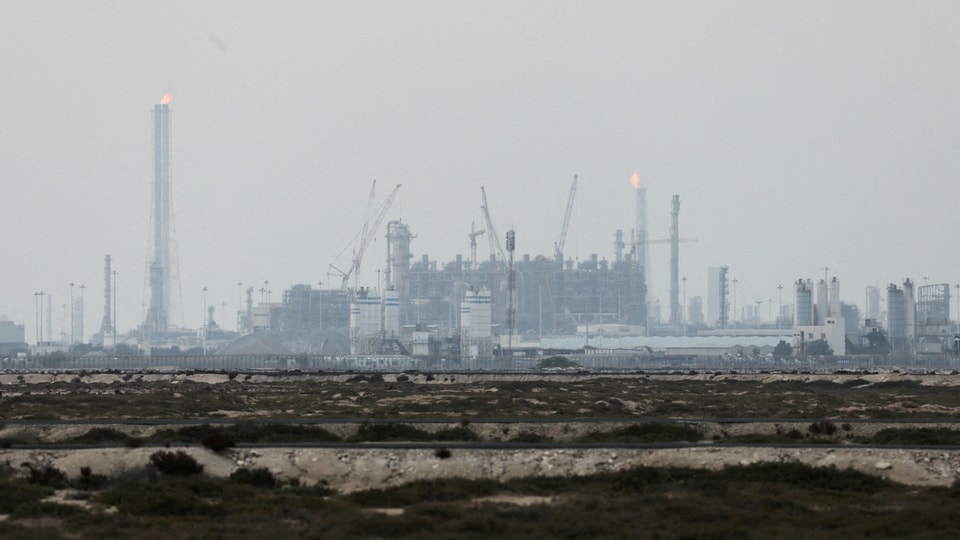
The strikes are part of a broader retaliatory campaign by Tehran following U.S.-Israeli attacks on Iranian energy facilities located on the opposite side of the shared South Pars gas reservoir.
Iran’s Revolutionary Guards have vowed to continue targeting Gulf energy assets until they are “destroyed,” warning of even more severe responses if their own sector is hit again.
This escalation has already seen missile and drone salvos directed at Saudi Arabia and the UAE, with shrapnel injuring four people in a residential area of Riyadh.
This surge in hostilities has severely disrupted global energy markets, with QatarEnergy and several Kuwaiti producers previously declaring force majeure due to halted production.
Although Gulf monarchies had initially criticised the strikes on Iranian soil as “irresponsible,” the direct targeting of their own refineries and gas fields has shifted the regional mood toward fury.
As Saudi Arabia hosts emergency talks with foreign ministers to discuss the fallout, the threat to global energy security remains at an all-time high.