Trending
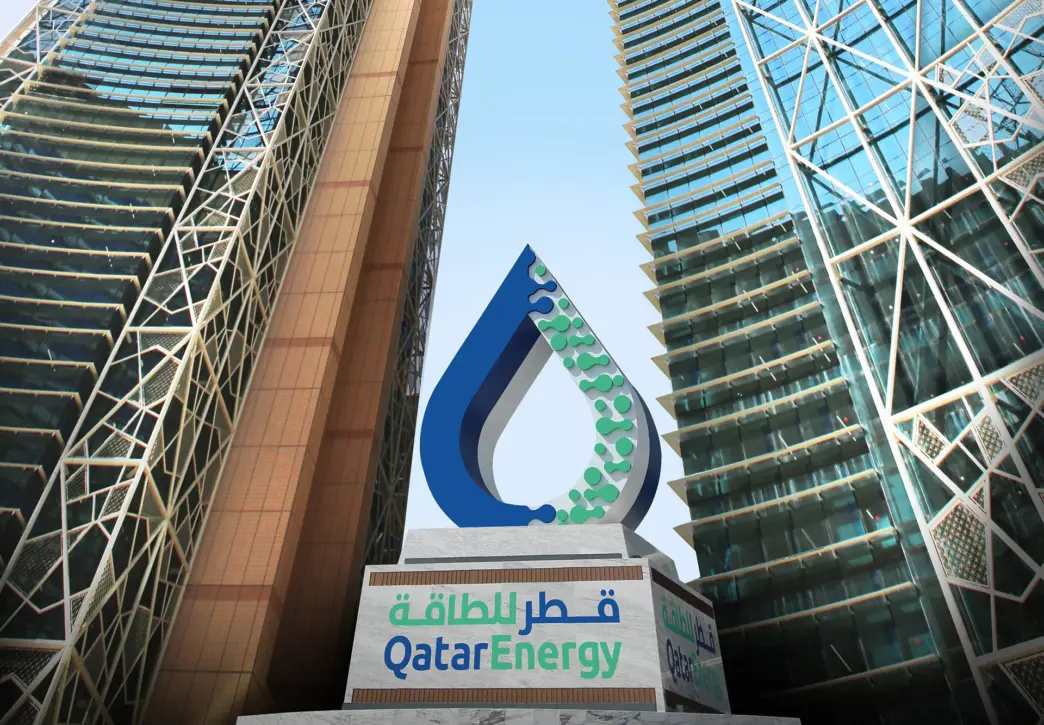
QatarEnergy, the Gulf state’s national energy giant, announced a total suspension of liquefied natural gas (LNG) production on Monday following targeted Iranian drone strikes.
The attacks struck two of the nation’s most critical processing hubs: Ras Laffan Industrial City, located 80 kilometres north of Doha, and Mesaieed Industrial City to the south.
While the Qatari defence ministry reported no casualties, the strike on Ras Laffan—the largest single LNG facility on the planet—has sent shockwaves through global markets, causing European gas benchmarks to surge by nearly 45 per cent.
The decision to cease production is being viewed by experts as a calculated, precautionary measure rather than a response to physical destruction.
Analysts from the Middle East Economic Survey (MEES) suggest that because natural gas facilities are extremely flammable, a proactive shutdown is necessary to prevent a catastrophic “conflagration” during active hostilities.
Furthermore, the move may be intended to galvanise international diplomatic pressure against Iran, as Qatar holds long-term supply contracts with major global powers, including France, Britain, China, and Italy.
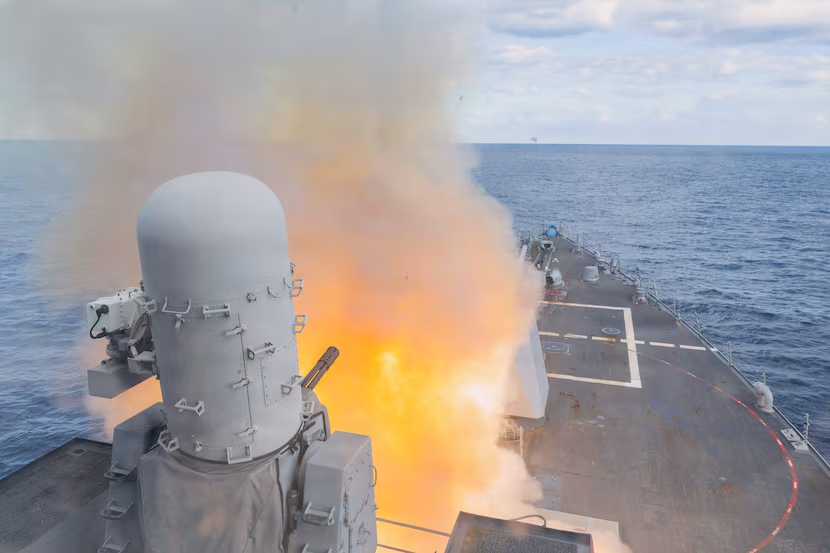
The energy crisis is compounded by the “effective” closure of the Strait of Hormuz.
Although Iran has not officially blocked the waterway, warnings from the Revolutionary Guards against transiting the strait have halted approximately 20 per cent of the world’s seaborne oil and a quarter of its LNG supply.
Economic experts warn that even if the waterway reopens soon, the suspension of Qatar’s massive production capacity will create significant delays in restoring normal global supplies, leading to a period of sustained high prices.
This escalation is particularly poignant given that Qatar and Iran share the North Field, the world’s largest natural gas reservoir.
With Qatar holding roughly 10 per cent of the planet’s known reserves, the targeting of its infrastructure marks a tectonic shift in the regional war.
As the Trump administration and Israeli forces continue their campaign against Tehran, the paralysis of Qatari energy exports threatens to transform a regional military conflict into a global economic emergency.