Trending


Israel and Iran exchanged airstrikes on Wednesday, deepening tensions as Iran’s military pushed back against claims by U.S. President Donald Trump that Washington was in talks to end the conflict. The ongoing conflict has continued to affect global energy and financial markets, with Tehran saying the U.S. is “negotiating with itself.”
The statement came from the unified command of Iran’s armed forces, which is largely controlled by the hardline Revolutionary Guards, with reports that Washington had sent a 15-point proposal to Tehran for consideration.
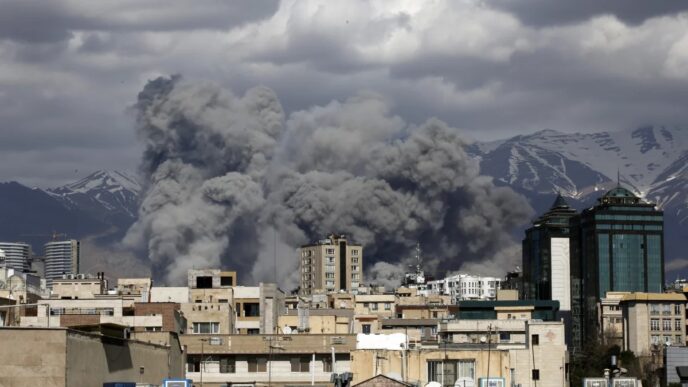
In a Telegram post, the Israeli military said that it carried out a new wave of strikes targeting infrastructure across Tehran. Meanwhile, Iran’s semi-official SNN News Agency reported that some of the strikes hit a residential area, with rescue teams combing through the rubble for survivors.
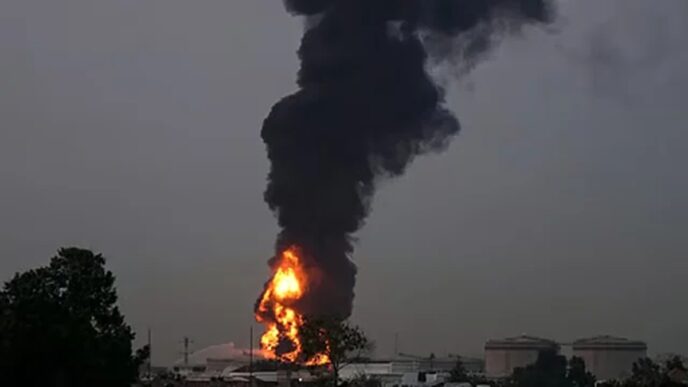
Elsewhere, Kuwait and Saudi Arabia said they had intercepted fresh drone attacks, though they did not specify their origin. In Kuwait, a drone strike hit a fuel tank at Kuwait International Airport, sparking a fire but causing no casualties, according to the country’s Civil Aviation Authority.
Iran’s Revolutionary Guards said they had launched a fresh round of attacks targeting sites in Israel, including Tel Aviv and Kiryat Shmona, as well as U.S. bases in Kuwait, Jordan and Bahrain, state media reported.
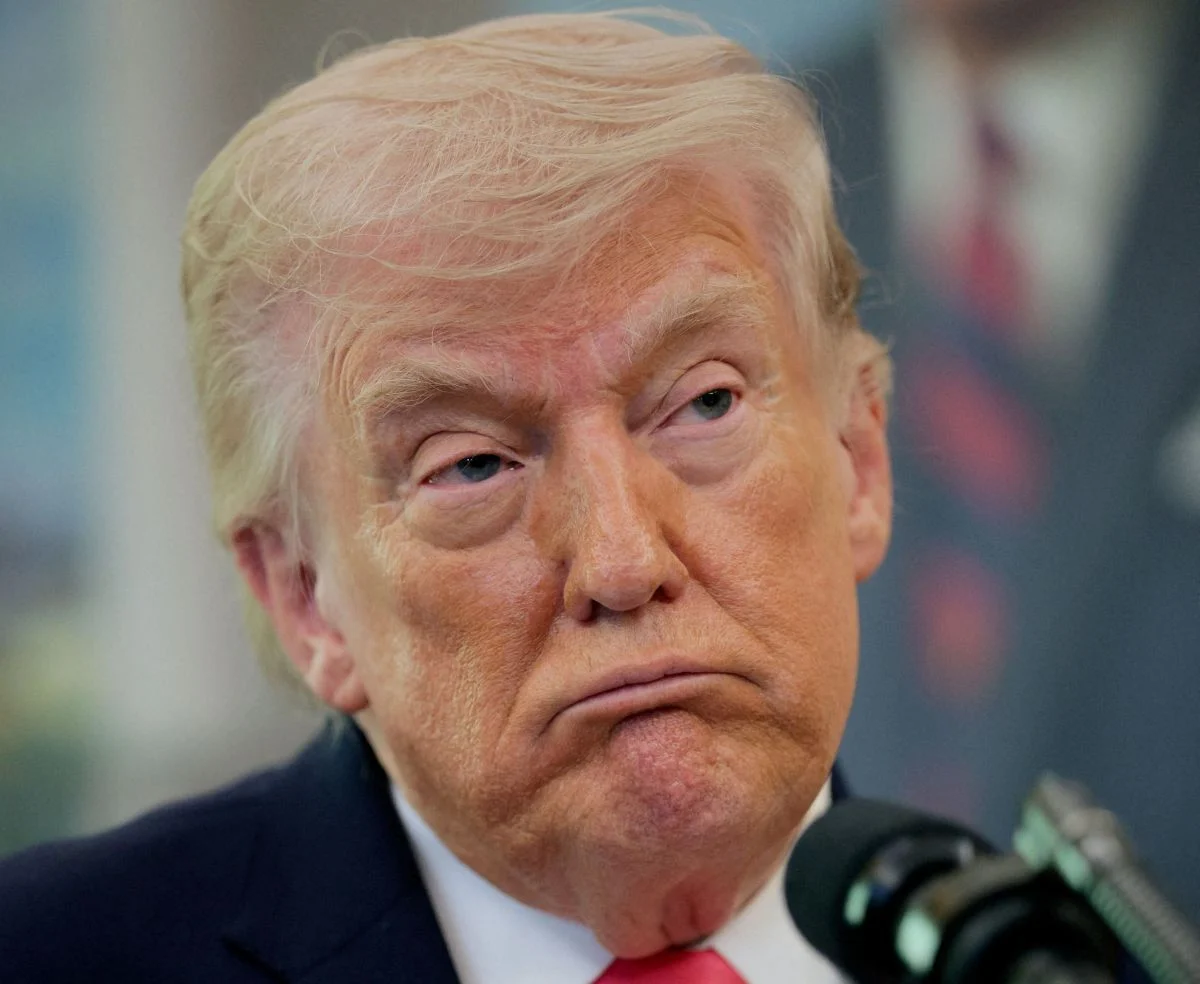
Speaking at the White House on Tuesday, U.S. President Donald Trump said Washington was in “negotiations” with “the right people” in Iran to bring the war to an end, adding that Tehran was eager to reach a deal.
Markets reacted to reports of possible diplomacy, with stocks rising and oil prices falling on Wednesday after claims that the U.S. had proposed a month-long ceasefire and sent a 15-point plan to Iran—raising hopes that oil exports from the Persian Gulf could soon resume.