Trending
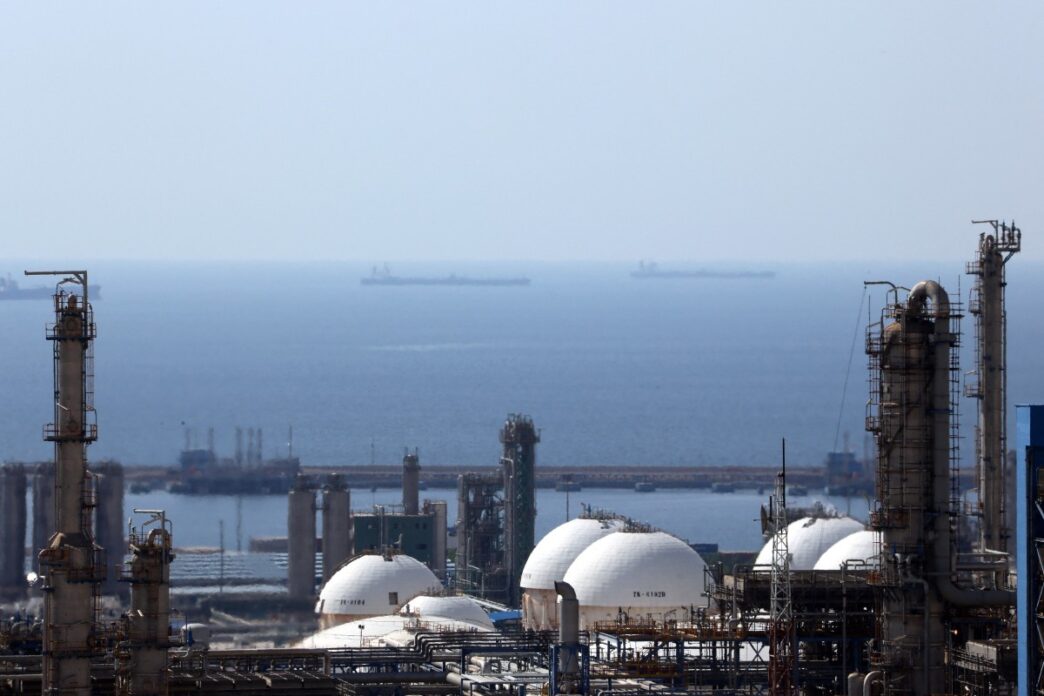
Israel escalated its attacks on Iran on Monday, hitting the country’s largest petrochemical complex in Assaluyeh, located on Iran’s Gulf coast.
Local reports indicated multiple explosions at the facility, which is crucial to Iran’s petrochemical production. Israel’s Defence Minister, Israel Katz, confirmed that the strike targeted a facility responsible for half of Iran’s petrochemical output, worth tens of billions of dollars.
Although Iranian media reported only “minor damage” at the site, the attack represents a significant blow to the nation’s economy.
The airstrikes were part of a wider pattern of escalating violence between the two countries. Israel had previously targeted senior Iranian Revolutionary Guards commanders, including Majid Khademi, the intelligence chief, and Asghar Bagheri, the commander of the elite Quds Force.
The strikes have come in the wake of Iran’s ongoing defiance of US President Donald Trump’s deadline to reopen the Strait of Hormuz, a vital waterway for global oil and gas transportation. Iran has refused to comply, despite Trump’s stern warnings of devastating strikes on Iranian infrastructure, including bridges and power plants, should the Strait remain closed. In response to Trump’s threats, Iran has vowed to continue fighting, with a spokesperson affirming that the conflict would persist “as long as political leaders deem it appropriate.”
While tensions remain high, international efforts to broker a ceasefire are underway. Reports suggest that a potential 45-day truce, brokered by Pakistan, Egypt, and Turkey, may enable negotiations toward a longer-lasting peace. However, Iran has repeatedly denied any involvement in talks with the US or Israel, rejecting any resolution that would undermine its stance on regional issues.
The conflict, which began in late February following US-Israeli strikes that killed Iranian supreme leader Ayatollah Ali Khamenei, has triggered a global economic crisis. The war has sent oil prices soaring and has forced countries to adopt alternative strategies to maintain energy supplies. South Korea, for example, has begun sourcing oil from Saudi Arabia’s Red Sea port to avoid the risk of disruptions at Hormuz.
Meanwhile, nations such as Indonesia and South Korea have reported price hikes in aviation fuel, further straining global markets.
The war’s impact has not been confined to the Middle East. The UAE has experienced missile and drone attacks, while Lebanon, increasingly drawn into the conflict, saw Hezbollah launch attacks against Israel. Israel has retaliated, launching strikes on Hezbollah targets in southern Lebanon.
As the violence continues to spiral, the global community remains on edge, hoping for a breakthrough to end the hostilities.
Despite the diplomatic efforts, the situation remains fragile, and the path to a peaceful resolution seems distant. With both sides digging in their heels, the Middle East stands at the precipice of further conflict, with broader implications for global stability and energy security.