Trending
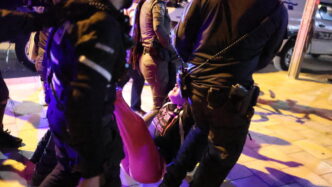
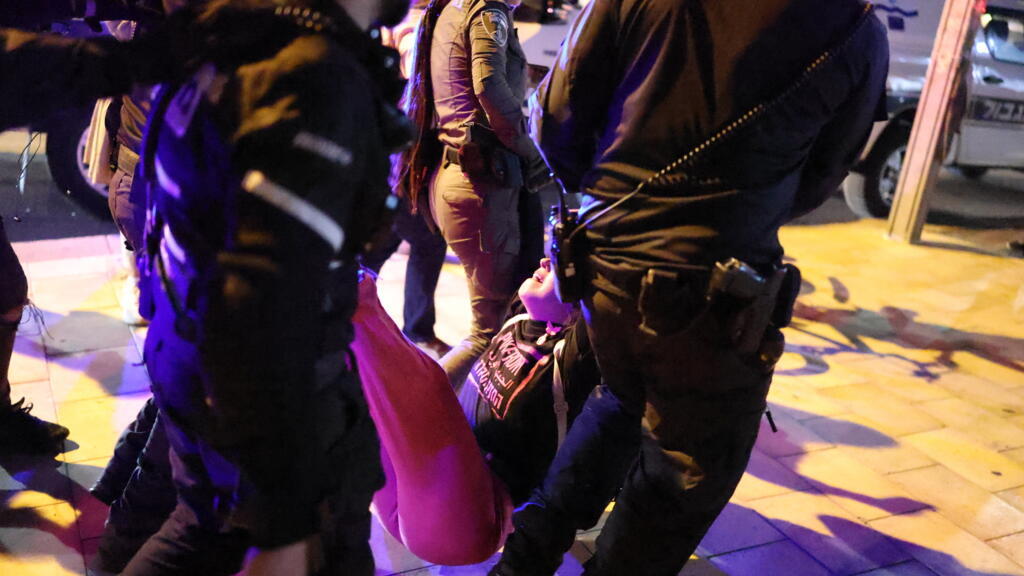
Hundreds of people gathered in Tel Aviv and other Israeli cities on Saturday to protest the ongoing Middle East war, prompting security forces to disperse the unauthorised demonstrations.
Weekly protests against the conflict launched by Israel and the United States against Iran on February 28 initially attracted only a few dozen participants, but turnout appears to be growing, though still far below the tens of thousands who demonstrated against the Gaza war last year.
Former parliamentarians and prominent left-wing organisations, including Standing Together, Peace Now, and Women Wage Peace, joined Saturday’s rallies. AFP footage showed law enforcement officers removing demonstrators in Tel Aviv, while activists recorded similar scenes in Haifa.
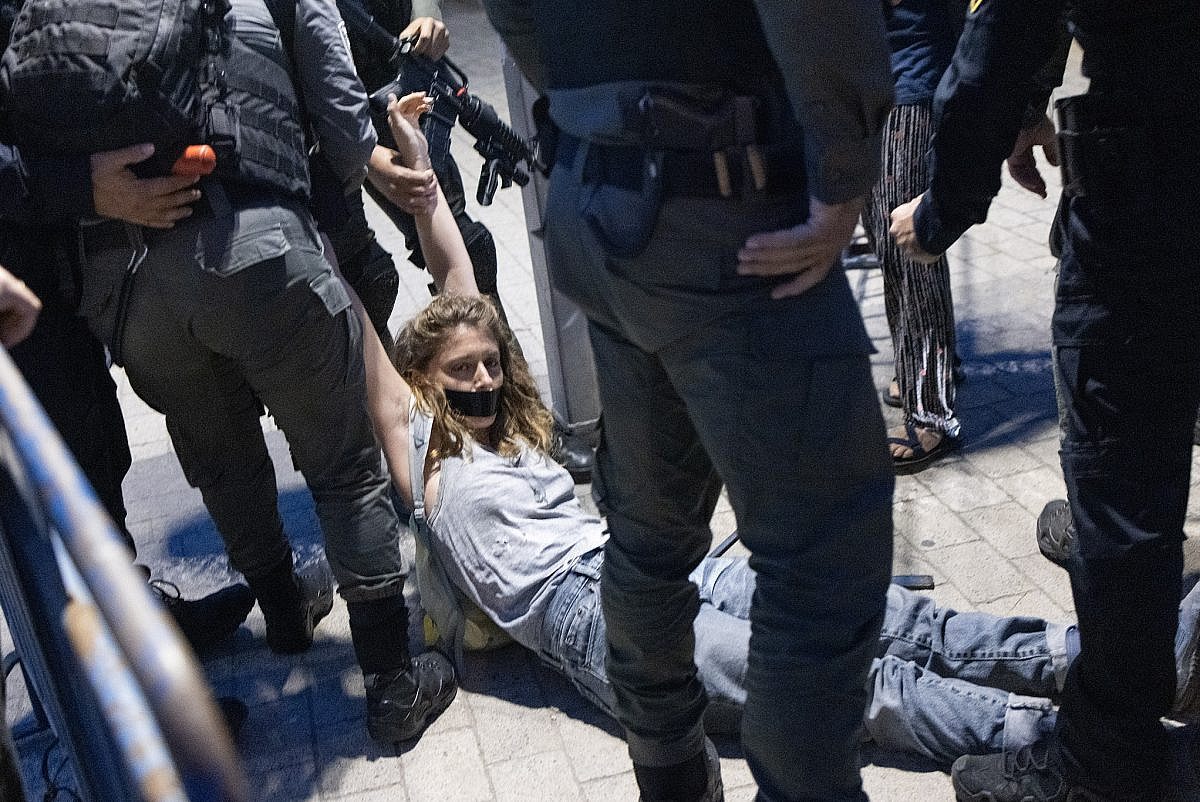
Under wartime security regulations, gatherings of more than 50 people are prohibited in Israel, which is under daily missile and rocket attacks from Iran and Lebanon. A spokesperson for one of the protest groups confirmed that the rallies had not been authorised.
In Tel Aviv, police reportedly used force to push back demonstrators, knocking several to the ground and placing at least one person in a chokehold. Thirteen people were arrested in the city. In Haifa, another five were detained after allegedly blocking roads and refusing police instructions.
Standing Together stated that the authorities had “been instructed to carry out arrests and silence dissent,” claiming the government fears the protest movement spreading.
Participants voiced frustration at the war’s unclear objectives. Yoram, a 52-year-old tour guide, said: “No one knows what the aim is.” Joanne Levine, 76, added that she believed the conflict was part of Prime Minister Benjamin Netanyahu’s “game plan.”
Despite the protests, public support for the war remains strong among Jewish Israelis. A poll by the Israel Democracy Institute published on Friday showed 78 per cent support for the conflict, compared with just 19 per cent among the Arab Israeli minority. Opposition has risen slightly, from four per cent in early March to 11.5 per cent.