Trending
The United Nations has said that despite years of advocacy and policy reforms, no country has yet achieved complete equality between men and women.
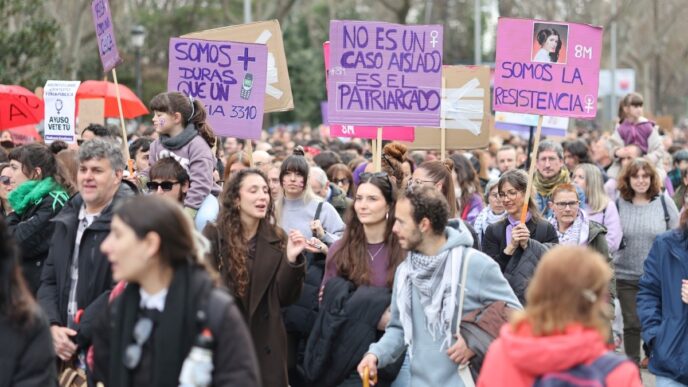
The global body made the observation on International Women’s Day 2026, warning that progress toward equal rights for women and girls remains slow.
The UN noted that at the current pace of change, it could take centuries before women and girls enjoy the same legal rights and protections as men. It cited findings from a report titled “Ensuring and Strengthening Access to Justice for All Women and Girls,” which was released ahead of the global observance.
According to the report, women worldwide currently have access to only about 64 per cent of the legal rights available to men. The UN said this gap continues to expose women and girls to discrimination, violence and systemic disadvantages throughout their lives.
The report also stated several troubling realities, noting that in more than half of the countries, rape laws are not based on the principle of consent.
It added that nearly three-quarters of nations still permit child marriage under the law, while about 44 per cent do not guarantee equal pay for work of equal value.
In addition, around 54 per cent of countries still lack a consent-based definition of rape.
“The reality is stark. In more than half of the world’s countries, rape laws are not based on consent,” the report reads.
In many parts of the world, women also encounter legal restrictions when attempting to own property, initiate divorce proceedings, transfer citizenship to their children or even work and travel freely without a husband’s approval.
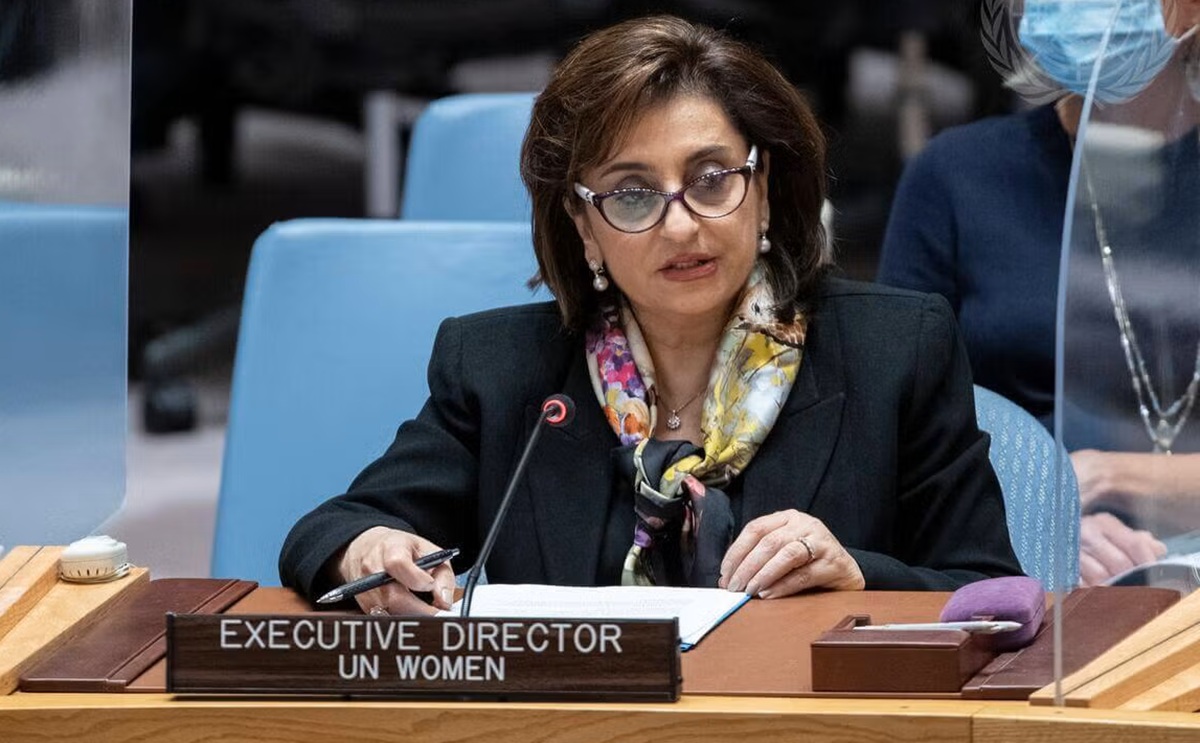
The Executive Director of UN Women, Sima Bahous, said denying women and girls access to justice has consequences beyond individual cases. She explained that such failures weaken public trust, undermine the legitimacy of institutions and erode the rule of law.
While the report acknowledged some progress, it noted that about 87 per cent of countries now have laws addressing domestic violence, and more than 40 nations have strengthened constitutional protections for women and girls over the past decade.
However, the UN stressed that legislation alone is insufficient, as many survivors still face stigma, fear, financial obstacles and limited confidence in institutions responsible for protecting them. These challenges often prevent victims from seeking justice.
The report also warned of worrying setbacks in some regions, where previously secured rights are being rolled back and new forms of violence, including digital abuse, are emerging.
It further noted that approximately 676 million women and girls living within 50 kilometres of active conflict zones have limited or no access to functioning justice systems, allowing perpetrators to act without accountability.
Cases of sexual violence linked to conflict, including the use of rape as a weapon of war, have also increased significantly in recent years.
The UN Secretary-General, António Guterres, emphasised that women’s rights are fundamental human rights and that investing in women and girls remains one of the most effective ways to improve societies.
He added that International Women’s Day should serve not only as a time for reflection but also as a call for concrete action. According to him, genuine equality cannot exist while women remain unequal under the law, stressing that ensuring justice for all women and girls is essential for building fairer and stronger societies worldwide.
Guterres also called for stronger support for UN Women and women’s rights movements globally to help translate legal rights into real opportunities and protections for every woman and girl.