Trending
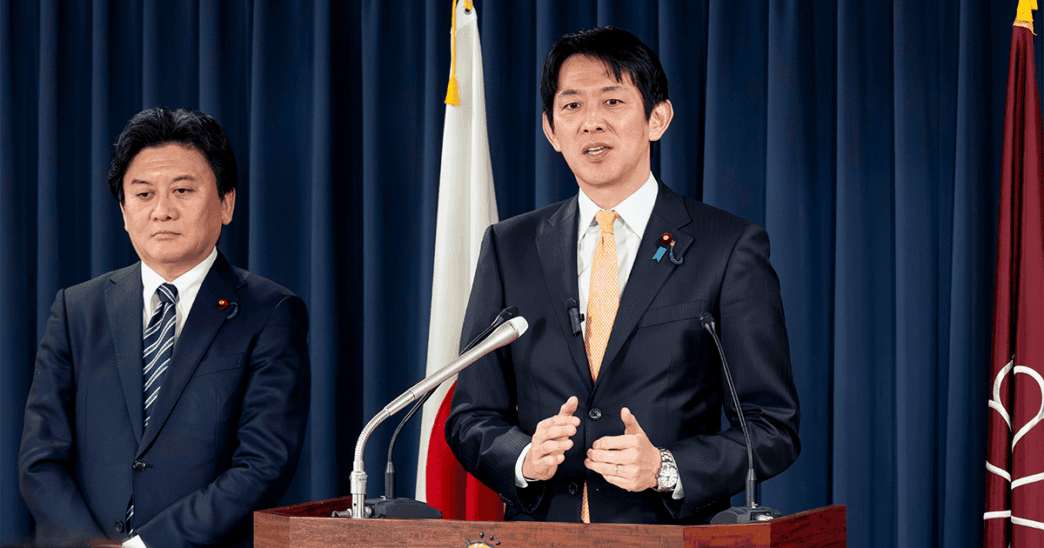
A top Japanese policy adviser, Takayuki Kobayashi, has signalled that the legal and political hurdles for deploying warships to the Middle East remain “extremely high.”
Kobayashi, the policy chief for Prime Minister Sanae Takaichi’s ruling party, stated on Sunday that while a naval mission is not legally impossible, the ongoing conflict between the U.S., Israel, and Iran necessitates “great caution.”
The remarks come as a direct response to President Donald Trump’s call for international reinforcements to secure the Strait of Hormuz, a vital chokepoint currently stalled by the war.
The situation is particularly critical for Japan, the world’s fourth-largest economy, which relies on the Middle East for 95% of its oil.
With the Strait of Hormuz effectively closed, Tokyo faces a severe energy threat; however, the nation’s pacifist constitution and public sentiment make sending the self-defence forces abroad a highly sensitive issue.
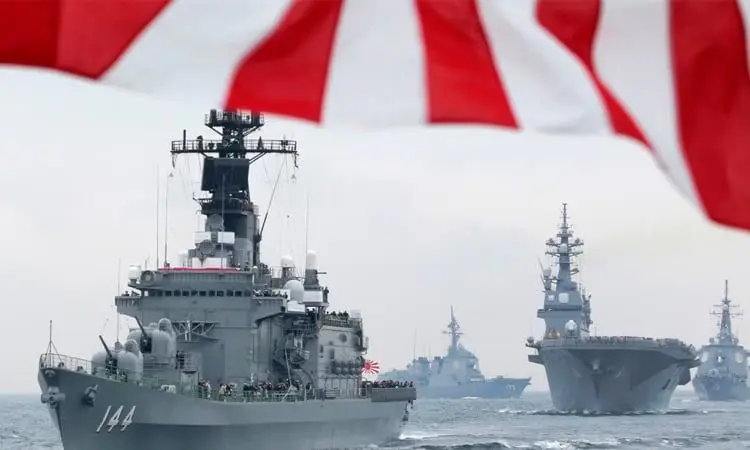
Kobayashi emphasised the need for a thorough investigation into the security implications, especially as U.S. forces are reportedly being diverted from East Asia to the Gulf, potentially leaving a strategic vacuum closer to home.
Prime Minister Takaichi is scheduled to visit Washington this week for high-level talks with President Trump.
The agenda is expected to cover both the Middle East crisis and broader security cooperation in the Asia-Pacific region.
According to Kobayashi, a primary goal of the visit will be to clarify the “true intentions” behind the U.S. request for naval support.
Until then, the Japanese government remains uncommitted, maintaining that no final decision has been made regarding the escorting of oil tankers through the volatile region.