Trending
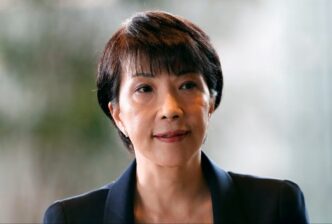
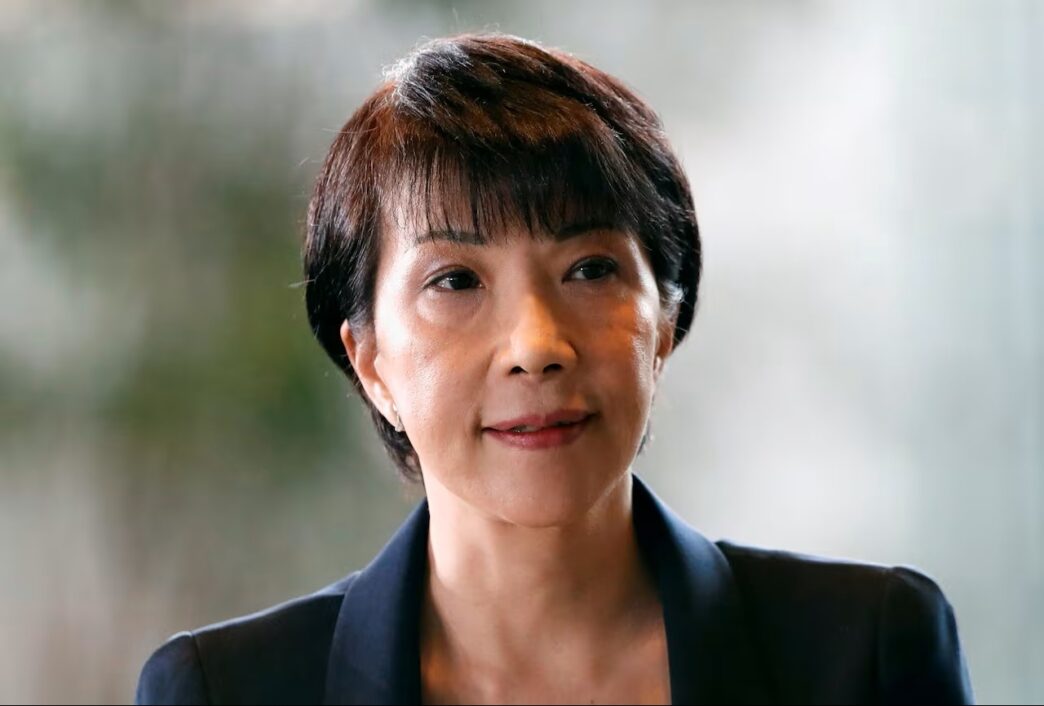
Japanese Prime Minister Sanae Takaichi has said she does not support changing the country’s long-standing male-only imperial succession rules, even as concerns grow over the future of the monarchy.
Under current law, only male descendants in the paternal line are eligible to ascend the Chrysanthemum Throne. With Emperor Naruhito having only one daughter, attention has shifted to Prince Hisahito, the teenage son of Crown Prince Akishino, as the likely future heir.
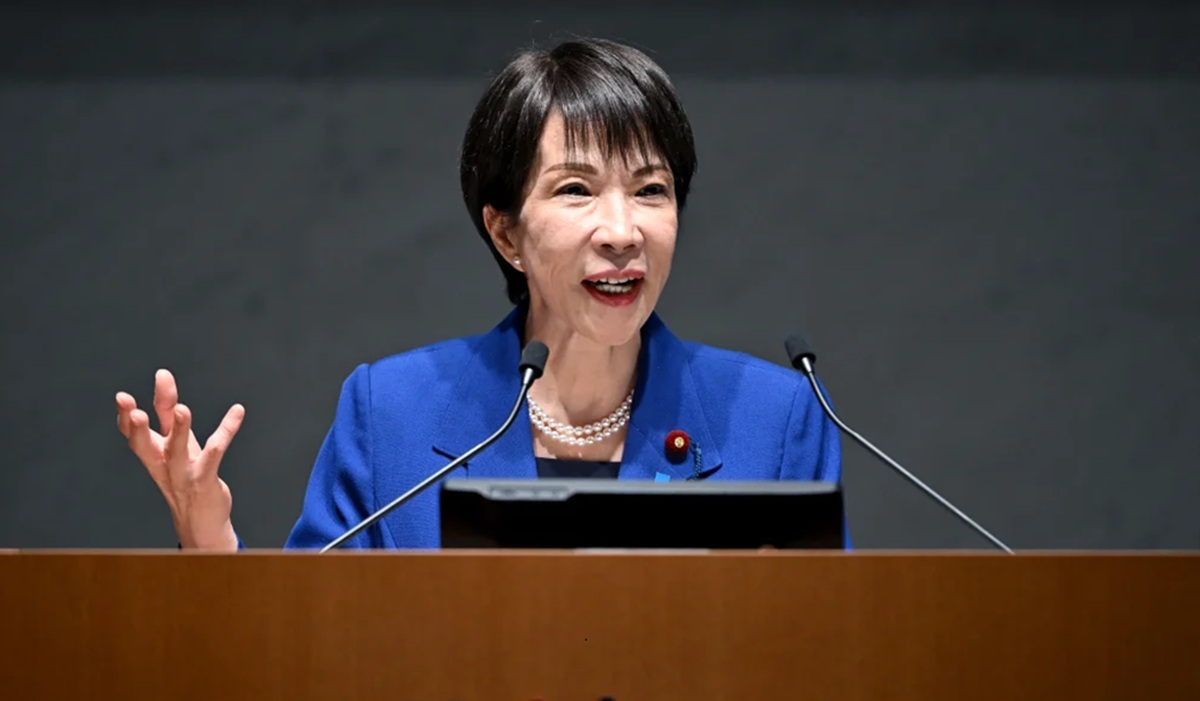
Speaking before parliament, Takaichi said the government stands by the findings of a 2021 expert panel, which concluded that eligibility should remain restricted to male-line descendants within the imperial lineage.
She indicated that both she and her administration accept the panel’s recommendation.
Although she has previously described the succession issue as urgent, Takaichi suggested that any solution would more likely involve incorporating male members from extended branches of the imperial family rather than revising the rules to allow female succession.
The debate over the issue has persisted for decades. A 2005 government panel had recommended allowing the throne to pass to the eldest child regardless of gender, which would have opened the path for Princess Aiko. However, the birth of Prince Hisahito in 2006 temporarily eased the pressure for reform.
In 2021, another panel proposed reintroducing distant male relatives into the imperial family through adoption to sustain the lineage. It also suggested that female members, who currently lose their royal status upon marriage, could be allowed to continue public duties.
Despite these discussions, traditionalists argue that maintaining an unbroken male line, said to date back more than 2,600 years, is central to Japan’s national identity, warning that major reforms could be divisive.
While the imperial family holds no political authority under Japan’s post-war constitution, its members remain under intense public scrutiny.
Female members, in particular, have faced significant personal pressures, including expectations around producing male heirs and persistent media attention.