Trending
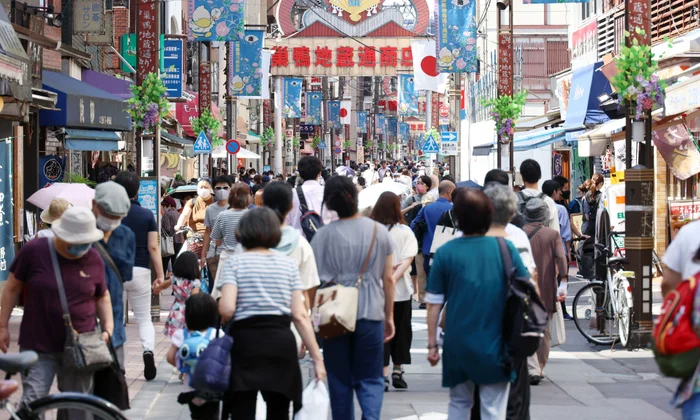
For the past ten years, Japan, the world’s fourth-biggest economy, has recorded a decline in births, a challenge successive leaders have attempted to improve, but recorded minimal success.
Data from the country’s health ministry showed that 705,809 babies were born in Japan in 2025, a 2.1 percent decrease from 2024. This figure includes births to Japanese nationals in Japan, to foreign nationals in Japan, and to Japanese nationals overseas.
The country saw an increase in the number of couples who married in 2025, with 505,656 new couples, a 1.1 percent increase from 2024, while divorces fell 3.7 per cent to 182,969 cases. There were 1,605,654 deaths, down 13,030 or 0.8 percent from 2024.
According to Japan’s internal ministry, the country’s overall population as of February was 122.86 million people, down 0.47 percent, or 580,000, from a year ago.
AFP reported that the Asian country’s declining birth rate is contributing to numerous problems, including labour shortages, a ballooning social security bill and fewer working people paying tax, which in turn adds to its huge debts. The shrinking birth rate puts 40 percent of municipalities at risk of extinction.
Various successive leaders have identified the shrinking birthrate as a challenge and have sought to address it. One of the steps it took was creating a dating application which requires users to submit documentation proving they are single and to sign a letter stating they are willing to get married.
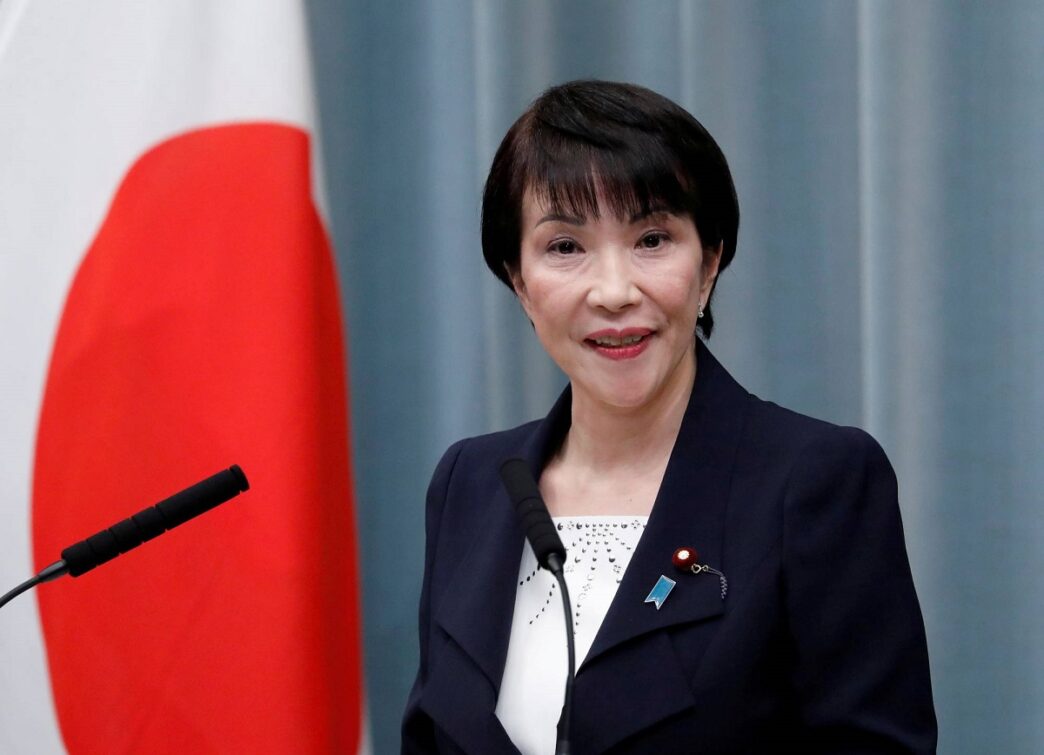
The country’s Prime Minister, Sanae Takaichi, while speaking in parliament last week, described the declining births as “a quiet state of emergency”
“The declining birth rate and shrinking population are a quiet state of emergency that will gradually erode our country’s vitality,” said Taikachi.
Even as birthrate continues to decline, the “Japanese first” Sanseito party, the right-wing Takaichi, has vowed tougher measures on immigration.