Trending
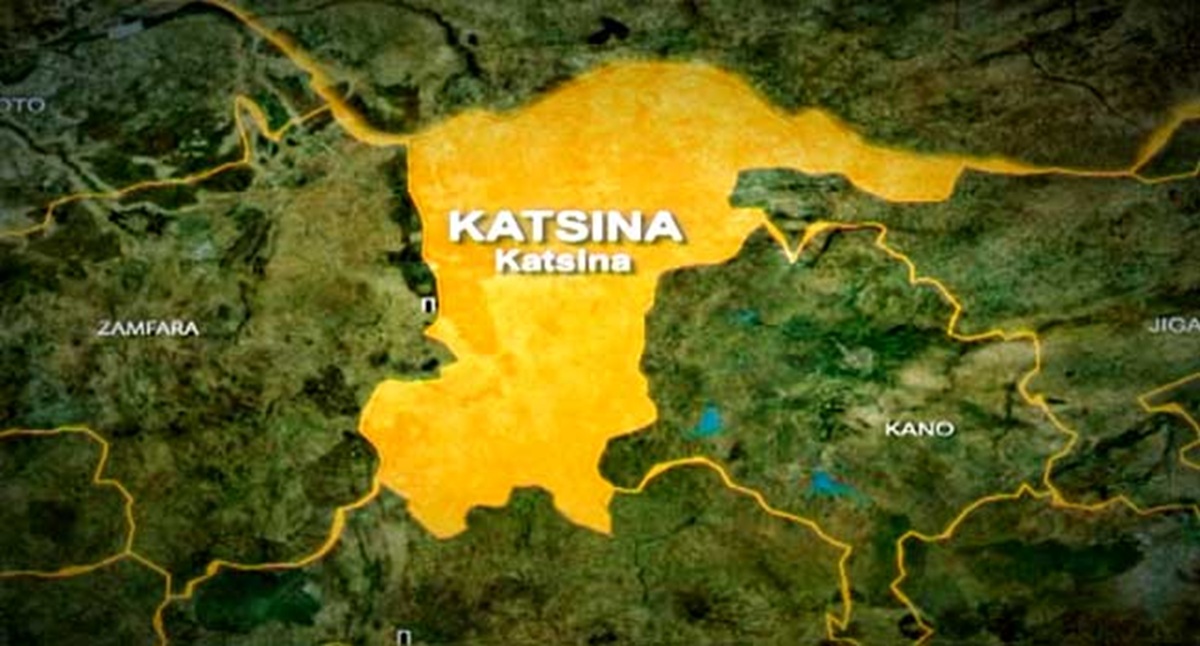
Katsina State has recorded two deaths from Lassa fever, with a third confirmed case currently under treatment, according to health authorities.
A consultant in infectious diseases at the Federal Teaching Hospital, Katsina, Mohammed Abubakar, said two of the confirmed cases, linked to Kafur and Funtua, resulted in fatalities, while a female patient receiving care at the hospital is responding well to treatment.
“As I’m talking to you now, in Katsina State, three cases have been confirmed. Two died. One was from Kafur, the other one was from Funtua.
“The third case is currently with us here in this isolation centre. As we’re having this interview, she’s recuperating well.”
He noted that the patient, whose husband recently died from the disease, remains stable.
Abubakar also commended the hospital’s emergency response team for promptly isolating the patient to prevent further spread, but warned that the current outbreak appears more severe than in previous years. According to him, the fatality rate has risen significantly, with nearly one in four infected persons dying, compared to earlier estimates of 10 to 30 per cent.
From January to date, more than 1,000 suspected and confirmed cases have been recorded nationwide, with about 145 deaths.
Abubakar also noted a shift in the geographical pattern of infections, with the majority of cases now concentrated in states such as Benue, Ondo, Taraba, Edo, and Plateau, rather than in the North-East and South-South regions, where outbreaks were previously more common.
He attributed this trend to factors including climate change, insecurity, displacement, poor sanitation, and increased rodent activity. He urged health workers to exercise caution when handling fever cases and to use protective equipment strictly, while advising residents to maintain proper hygiene and prevent rodent infestations.
The medical expert further called for faster laboratory testing, stressing that quicker turnaround times would improve treatment outcomes. He acknowledged the state government’s support in providing essential drugs and resources to manage the outbreak.
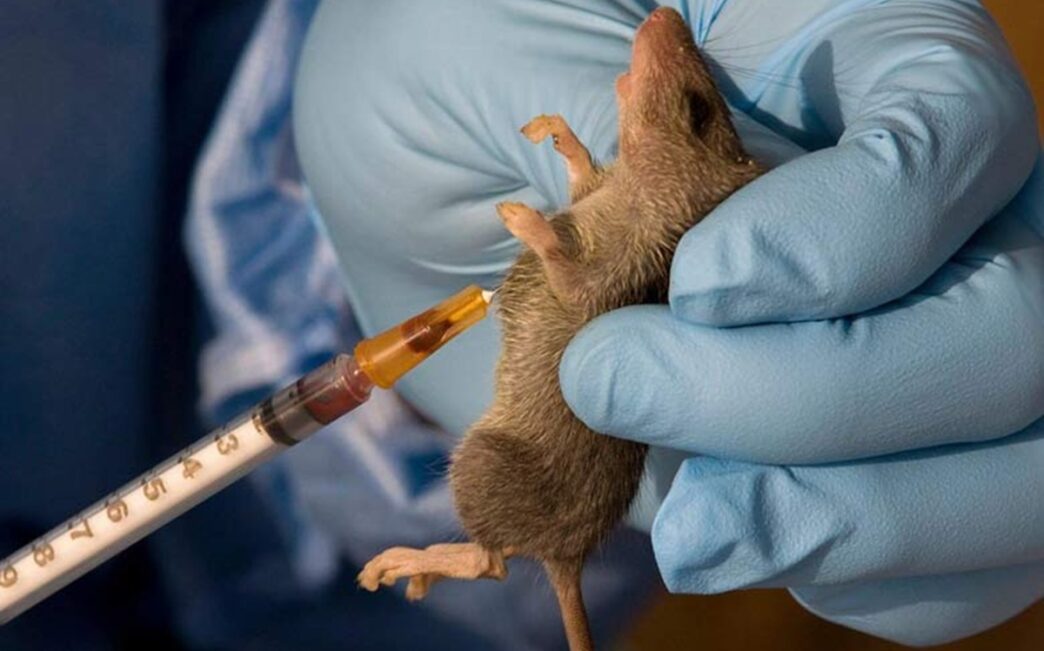
Lassa fever is a viral haemorrhagic illness endemic in parts of West Africa and is primarily transmitted through contact with food or household items contaminated by the urine or droppings of infected rodents.
Symptoms range from mild fever and weakness to severe complications such as bleeding, respiratory distress, and shock.