Trending
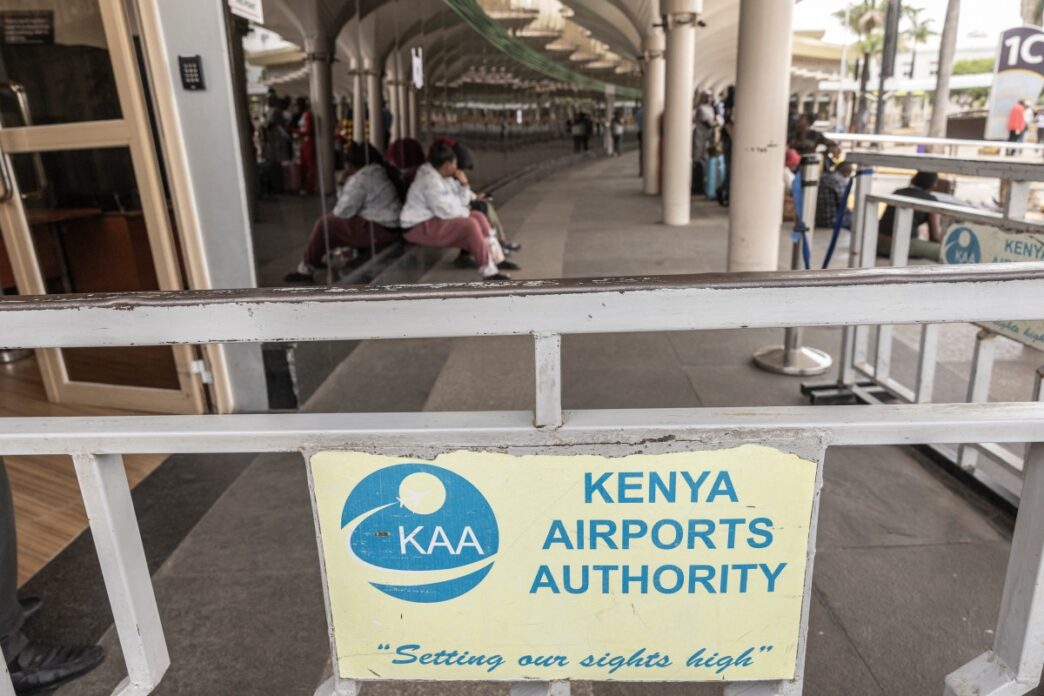
Workers at Kenya’s Jomo Kenyatta International Airport (JKIA) ended a disruptive strike on Tuesday that had caused significant delays and operational chaos since it began the previous day.
The strike, led by the Kenya Aviation Workers Union (KAWU), had severely affected air traffic and flight schedules, with passengers facing extensive delays at one of Africa’s busiest airports.
The dispute arose from unresolved issues, including a stalled employment agreement, prompting the union to threaten a complete shutdown of Kenyan airspace. However, following government mediation, KAWU agreed to return to work, ending the strike.
The Kenya Airports Authority (KAA) confirmed the resolution on X (formerly Twitter), though specific details of the agreement were not disclosed.
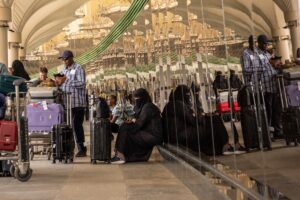
The strike raised concerns, particularly from the Kenya Airline Pilots Association, which warned that the disruption to flight crew scheduling could compromise safety by increasing the risk of fatigue among airline staff. The association had emphasised the importance of operational stability to maintain safety standards.
This wasn’t the first time workers at JKIA had protested. In 2024, they went on strike in opposition to the government’s decision to award a tender to India’s Adani Group for the expansion of the airport. They argued the deal would cost local jobs and deprive the Kenyan public of future airport profits. However, the government later cancelled the partnership, citing corruption concerns after Adani’s chairman, Gautam Adani, was indicted in the United States.
This latest strike highlights ongoing tensions within Kenya’s aviation sector, with workers continuing to push for better working conditions and fairer agreements.