Trending
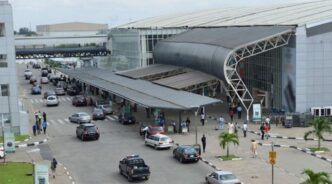
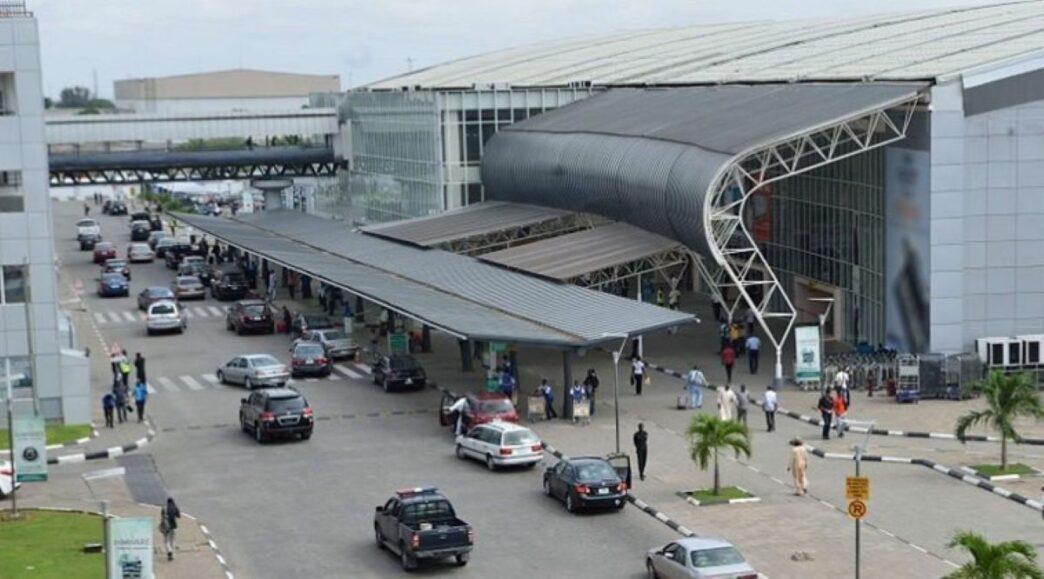
The Managing Director of the Nigerian Airspace Management Agency, Farouk Umar, has disclosed that vital air-to-ground communication equipment was destroyed during Monday’s fire outbreak at Terminal 1 of the Murtala Muhammed International Airport.
Umar said the incident compelled air traffic controllers to depend entirely on emergency backup systems to sustain flight operations.
He made the revelation on Wednesday while assessing the impact of the fire, which disrupted airport activities, led to flight diversions and triggered a large-scale emergency response. According to him, the blaze dealt a significant blow to operational infrastructure essential for aircraft communication and air navigation services.
“Let me be honest with you, the fire has affected our air-to-ground communication completely. What you see on ground to sustain air traffic service is the backup that we moved from other places to sustain Lagos. The truth of the matter is that with what I have seen, we have a lot to do when we are out of the situation. It is going to be very difficult for me to tell the magnitude of the loss; it will take us a while to do so,” Umar said.
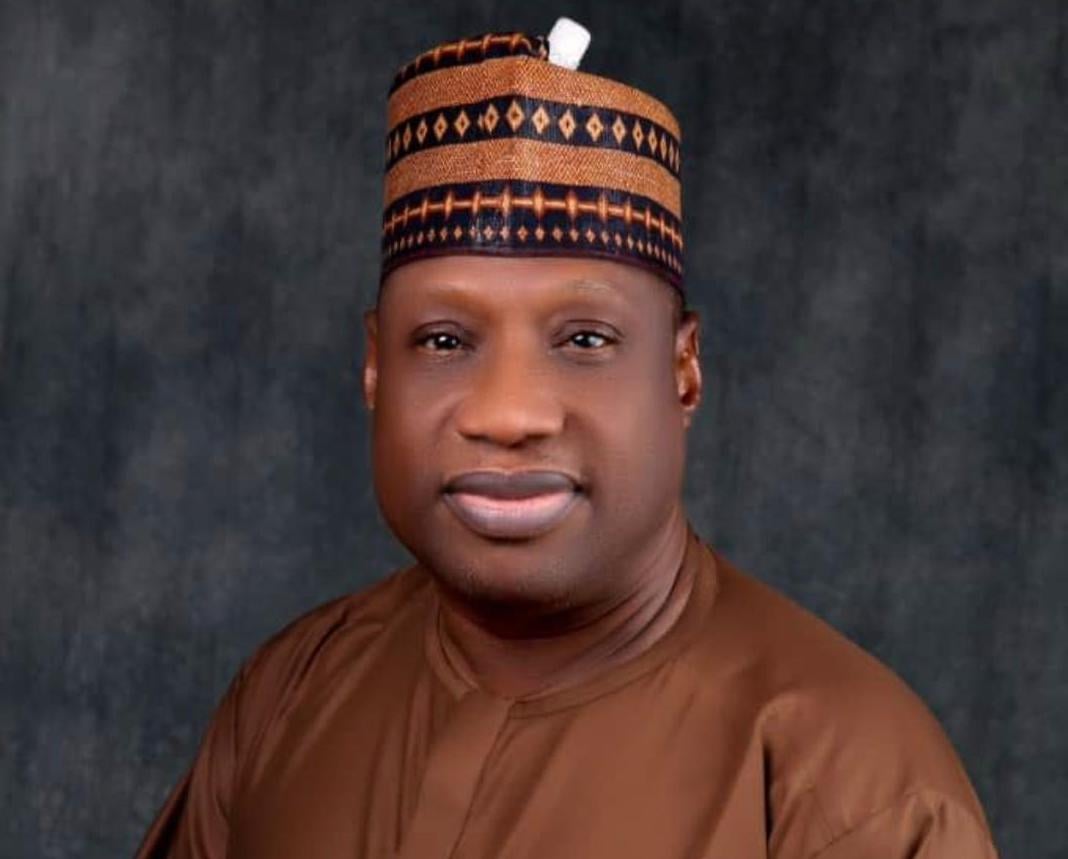
He explained that the agency’s management team was in a meeting when news of the incident broke, prompting an immediate operational response.
The development comes amid ongoing government plans to overhaul ageing infrastructure at the Lagos airport. Aviation authorities are expected to conduct a comprehensive assessment of the damage and commence restoration of affected communication facilities.
When the Minister of Aviation and Aerospace Development, Festus Keyamo, visited the site on Tuesday, he confirmed that the fire had caused extensive destruction, particularly to offices and equipment belonging to the Nigeria Meteorological Agency.
Umar stated that senior technical officials were promptly deployed to evaluate the situation and stabilise air traffic services at the country’s busiest airport.
“We were in a management meeting when this incident was reported. I immediately dispatched the directors of operations and engineering to come and see things for themselves. What we saw actually was a huge loss as far as communication is concerned. Also, air traffic services were really disrupted,” he said.
He added that authorities were forced to temporarily suspend inbound flights into Lagos at the peak of the emergency to ensure safety while contingency measures were activated.
“We had no option at that time but to suspend inbound aircraft into Lagos. But good enough, the Director of Operations was around and there was a prompt response to the emergency situation in which we found ourselves,” Umar noted.
Although sections of Terminal 1 and multiple aviation installations were affected, the NAMA boss reassured passengers, airlines and international partners that Nigeria’s airspace remains secure.