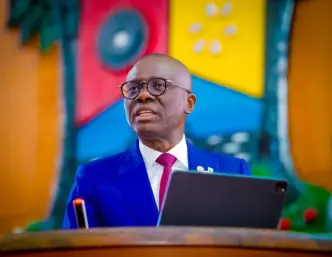
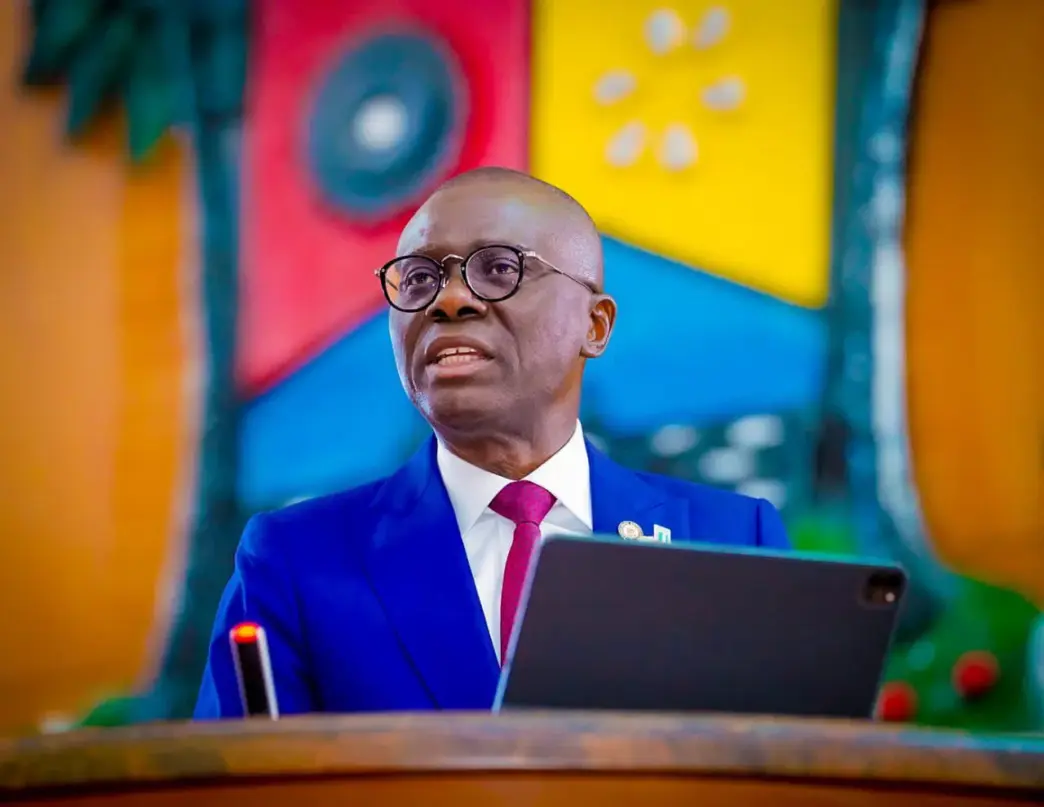
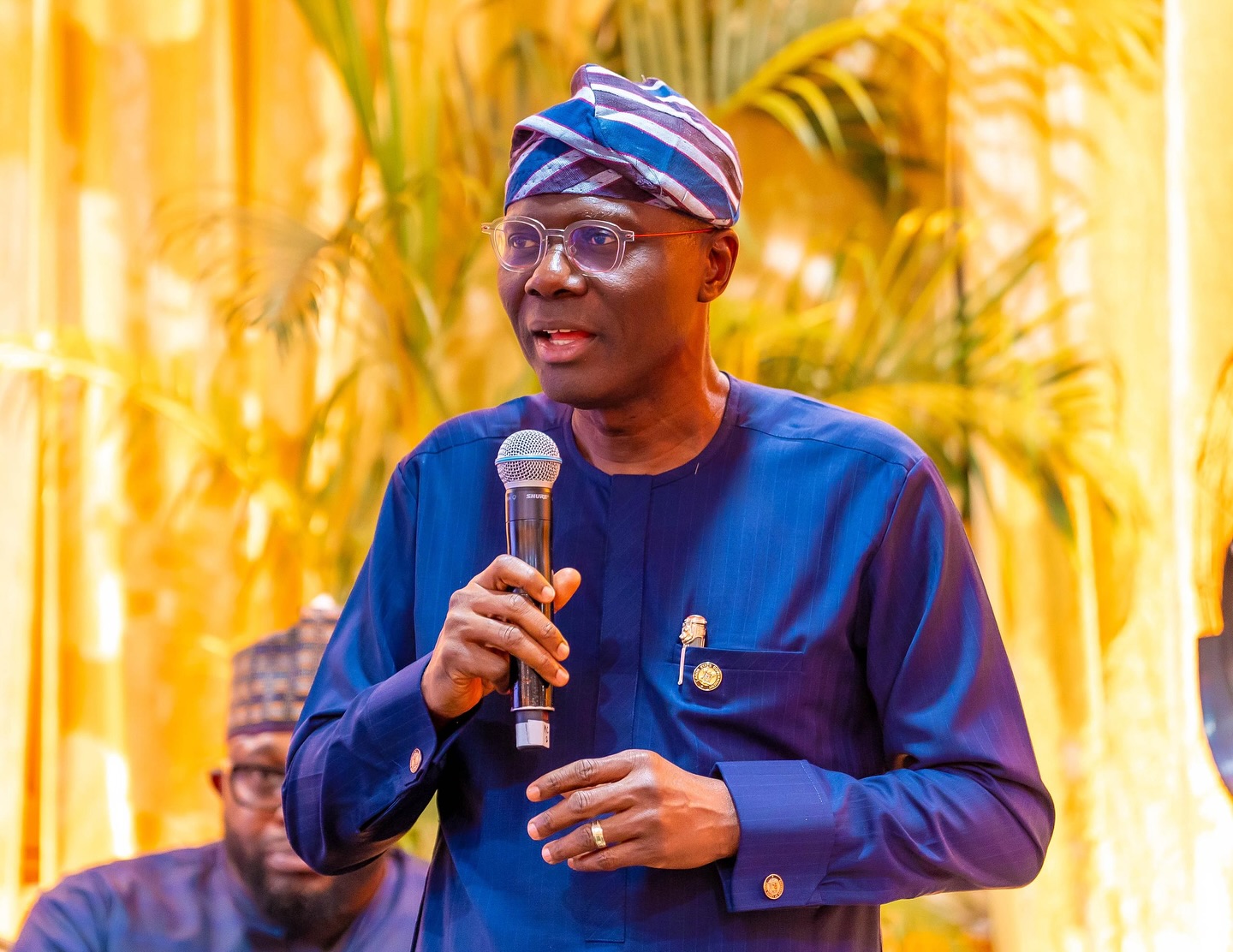
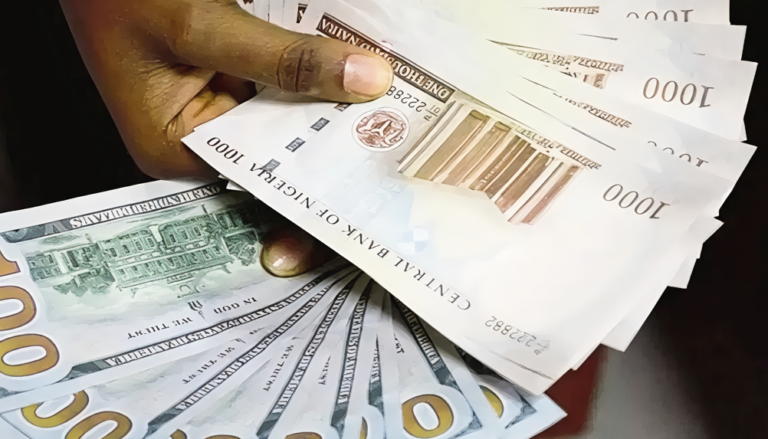
Lagos state governor Babajide Sanwo-Olu announced that the state generated about ₦1.3 trillion in internally generated revenue (IGR in 2024, attributing the rise to sustained investment in digital tax systems and an expanded tax administration framework.
He made the disclosure at the opening of the 159th meeting of the Joint Revenue Board in Lagos, describing the figure as modest yet significant, noting that IGR now accounts for more than 60 per cent of the state’s budget.
Sanwo-Olu said that Lagos has fully aligned with the national tax framework and is prepared to share its model with other states to strengthen revenue systems across the country. He emphasised that the growth stems from deliberate reforms, including widening the tax net and fostering trust among taxpayers.
The governor added that Lagos contributes roughly one-third of Nigeria’s GDP and hosts the nation’s busiest seaports—Apapa Port Complex and Tin Can Island Port—which together handle over 70 per cent of maritime trade. He noted that Apapa Port alone processed ₦17 trillion worth of exports in the first quarter of 2025, representing 86 per cent of national export throughput.
He further revealed that the Nigerian government secured a £746 million agreement with the United Kingdom in March 2026 to modernise both ports, strengthening Lagos’s position as a key maritime hub in West Africa.
Sanwo-Olu said ongoing infrastructure projects, including the expansion of the Lagos-Badagry Expressway and the development of regional trade corridors, are designed to boost economic activity and increase revenue. He also reaffirmed the state’s commitment to national development through collaboration, data sharing and policy alignment.
At the event, Zacch Adedeji commended the Lagos State Internal Revenue Service, led by Ayodele Subair, as Nigeria’s leading sub-national revenue authority. He credited its success to reforms introduced by President Bola Tinubu during his tenure as Lagos governor.
Adedeji added that Lagos’s annual IGR has grown from less than ₦94 billion before the 2007 reforms to over ₦1.7 trillion in 2025, reflecting sustained institutional strengthening and reform efforts.
Toyibat is a highly motivated Mass Communication major and results-oriented professional with a robust foundation in media, education, and communication. Leveraging years of hands-on experience in journalism, she has honed her ability to craft compelling narratives, conduct thorough research, and deliver accurate and engaging content that resonates with diverse audiences.
Weekly roundups. Sharp analysis. Zero noise. The NewsCentral TV Newsletter delivers the headlines that matter—straight to your inbox, keeping you updated regularly.
 Trending