Trending
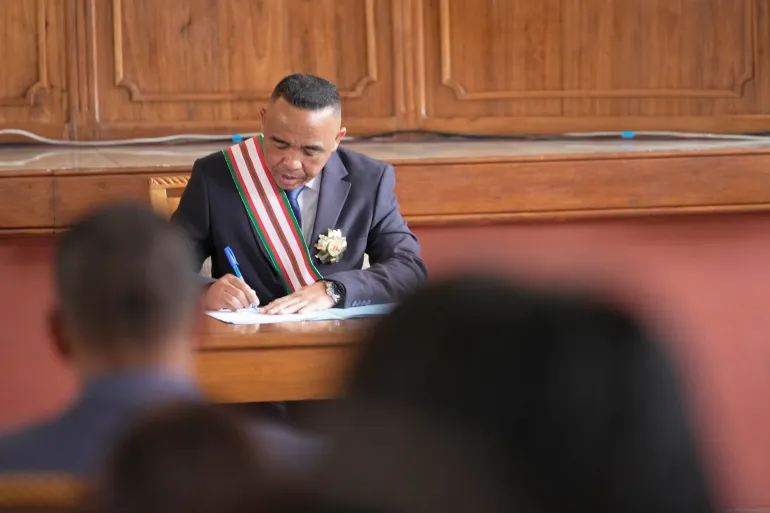
Madagascar’s interim leader, Colonel Michael Randrianirina, unveiled the makeup of the island nation’s new government on Wednesday, but notably, it does not include representatives from the Gen Z movement, which played a pivotal role in toppling former President Andry Rajoelina last year.
The youth-led protests were sparked by persistent water and power shortages, which ignited widespread discontent.
Randrianirina, who seized power following Rajoelina’s resignation, dismissed his entire cabinet, including Prime Minister Christian Ntsay, on March 9 without offering an explanation. Shortly after, he appointed Mamitiana Rajaonarison, a former police officer with extensive anti-money laundering experience, as the new head of government on March 15.
Since taking office, both Randrianirina and Rajaonarison have been working to form a new cabinet, with all prospective ministers required to undergo a lie detector test as part of their selection process. This move reflects the military leader’s desire for integrity and transparency within his administration.
Of the new government lineup, 17 ministers were reappointed to their previous positions, including those overseeing critical portfolios such as interior, economy, and justice.
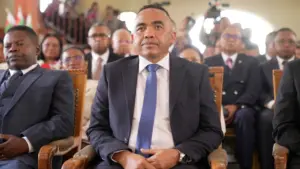
Notable new additions include Alice N’Diaye, former head of the Indian Ocean Commission, who will now serve as the foreign minister. Radonirina Lucas Rabearimanga, previously with Madagascar’s Office of Hydrocarbons, has been appointed as energy minister.
“The appointment of ministers was based on the use of new technologies to highlight their integrity,” Randrianirina said during his announcement. He further warned that any cases of corruption within the new administration would lead to immediate dismissal of the responsible minister.
Despite facing criticism for his actions, Randrianirina has consistently rejected accusations of leading a coup. He maintains that the power transfer from Rajoelina was legitimate, authorised by the Constitutional Court.
Randrianirina reiterated his commitment to returning power to civilians within two years. According to a transition roadmap published in February, the country will undergo national consultations in 2026 and draft a new constitution before a presidential election at the end of 2027.