Trending


A Japanese court on Wednesday sentenced the man who killed former prime minister Shinzo Abe to life in prison, more than three years after the assassination shocked the country.
The court in Nara found Tetsuya Yamagami, 45, guilty of murder and violations of firearms laws for shooting Abe during a campaign speech in July 2022.
Judge Shinichi Tanaka described the killing as “despicable and extremely malicious.”
Judge Tanaka said Yamagami was determined to carry out the attack.
He said that the fact that Yamagami “shot him from behind and did so when (Abe) was least expecting it” shows how “despicable and extremely malicious” his actions were.
The court ordered Yamagami to be jailed for life, a sentence longer than what his defence had sought.
Yamagami showed little emotion as the sentence was read. His lawyers said they had not yet decided whether to appeal, noting that Japanese law allows two weeks to file an appeal.
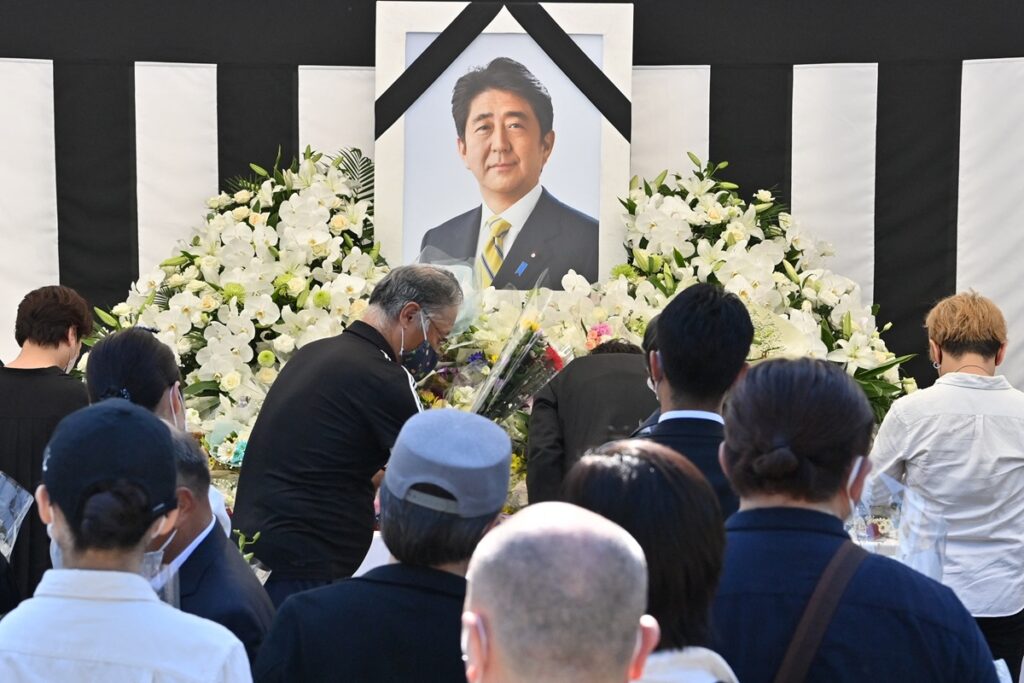
Abe, Japan’s longest-serving prime minister, was shot dead in broad daylight while giving a speech in the city of Nara. Yamagami used a handmade gun, despite Japan’s strict gun control laws.
Prosecutors said Yamagami’s motive was linked to anger toward the Unification Church, which he blamed for his family’s financial ruin. They argued that he targeted Abe to draw attention to the church because of Abe’s past links to groups associated with it.
During the trial, Yamagami admitted to killing Abe but denied acting out of personal hatred.
The defence argued that his actions were shaped by years of hardship caused by his mother’s large donations to the church, which left the family bankrupt.
Judge Tanaka noted that Yamagami’s upbringing had influenced his personality but said the crime was ultimately the result of his own decisions and deserved strong punishment.
“It is undeniable that the defendant’s upbringing influenced the formation of his personality and his mindset… and that it even played a distant role in his actions,” he stated.
“Each criminal action he took was based on nothing but his own decision-making, the process of which deserves strong condemnation.”
In a statement to Japanese media, Abe’s widow, Akie Abe, said Yamagami should “face up to what he has done and pay for the crime of taking the life of my precious husband.”