Trending

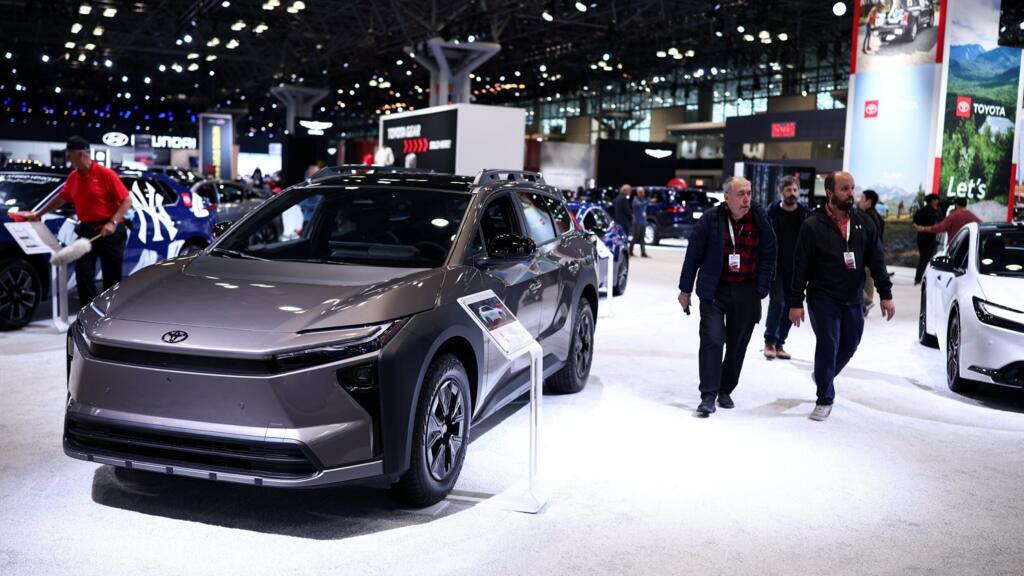
Major automakers reported a fluctuating start to 2026, with first-quarter U.S. sales hampered by severe winter storms and growing geopolitical instability.
While March showed signs of recovery as weather conditions improved, the industry is now grappling with the fallout of the U.S.-Israeli offensive against Iran.
This conflict has driven oil costs up by more than 50%, pushing domestic fuel prices past the $4-per-gallon mark and creating fresh affordability hurdles for American consumers.
Sales figures across the industry remain inconsistent.
General Motors reported selling over 626,000 vehicles, noting that a strong March helped offset a weather-beaten start to the year.
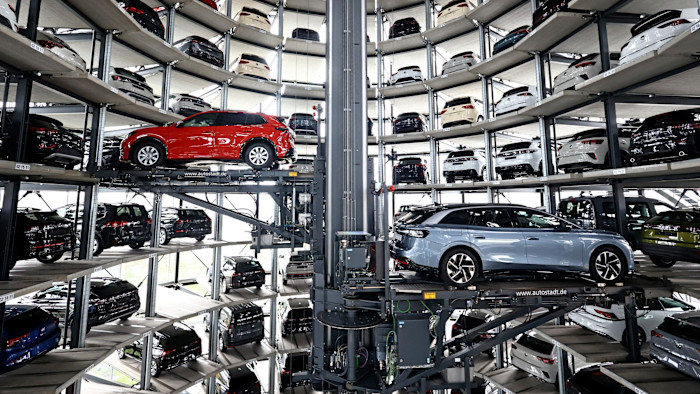
In contrast, Toyota saw a slight dip in volume, while Hyundai and FCA US (Stellantis) managed modest gains.
Analysts from Cox Automotive and Edmunds project an overall year-over-year market decline of approximately 6.5%, citing a mix of high interest rates, elevated fuel costs, and “anxiety about the war” as primary deterrents for potential buyers.
The surge in fuel prices has reignited consumer interest in electric vehicles (EVs), with search queries for electrified models jumping significantly in mid-March.
However, the EV sector faces its own headwinds following the elimination of federal tax credits under the current administration.
Experts suggest that while a temporary spike in gas prices encourages curiosity, a sustained energy crisis would be required to trigger a massive shift in buying habits, similar to the market contractions seen during the oil shocks of the 1970s.