Trending
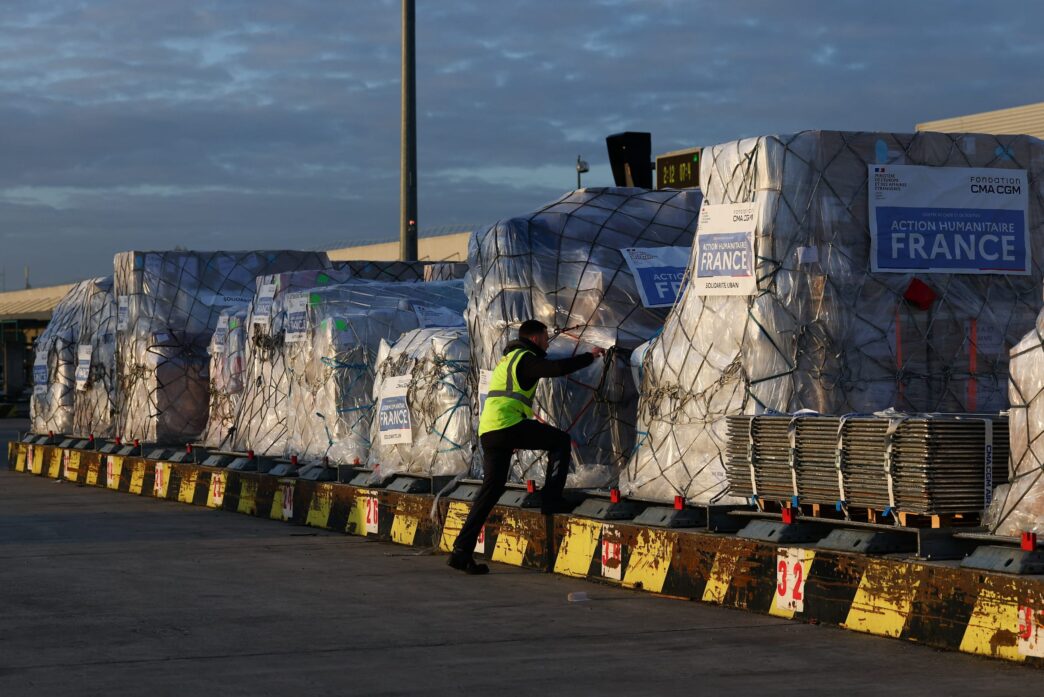
The ongoing conflict in the Middle East is severely disrupting the humanitarian supply of medicine to Africa, as logistics hubs face rising costs and significant delays.
Aid organisations are warning of “emptying shelves” across the continent, where 70% of medications and 90% of pharmaceutical ingredients are imported.
The closure of the Strait of Hormuz has forced cargo ships to reroute around the Cape of Good Hope, adding up to a month to delivery times and drastically increasing transport expenses.
These logistical hurdles come at a time when African healthcare is already reeling from substantial cuts in U.S. aid.
Humanitarian groups like Alima and Doctors Without Borders (MSF) report that soaring fuel prices are directly impacting patient care; for instance, a $2,000 increase in shipping costs translates to 200 fewer malnourished children receiving vital treatment.
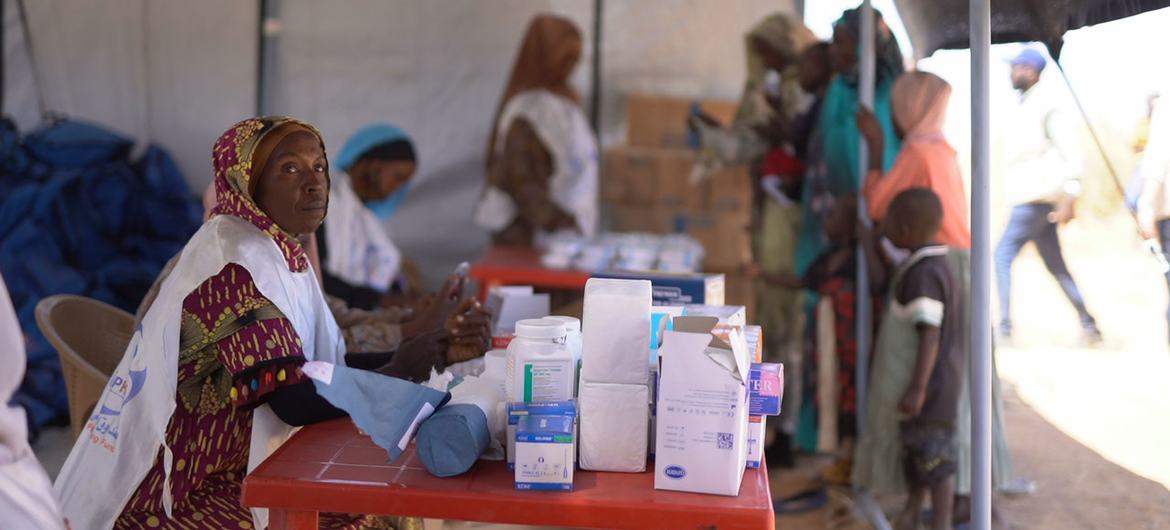
Stocks of essential medicines in countries like Sudan and the DRC are already reaching critical lows, threatening the continuity of life-saving programmes.
While a recent two-week ceasefire between the U.S. and Iran offers a glimmer of hope, aid coordinators remain sceptical.
Ongoing instability in the Gulf and the time required to clear supply chain backlogs mean that maritime traffic remains restricted.
Experts warn that if these disruptions persist, vulnerable populations may be forced to stop treatments for conditions like HIV or turn to dangerous counterfeit medications, further eroding the fragile healthcare landscape across the continent.