Trending
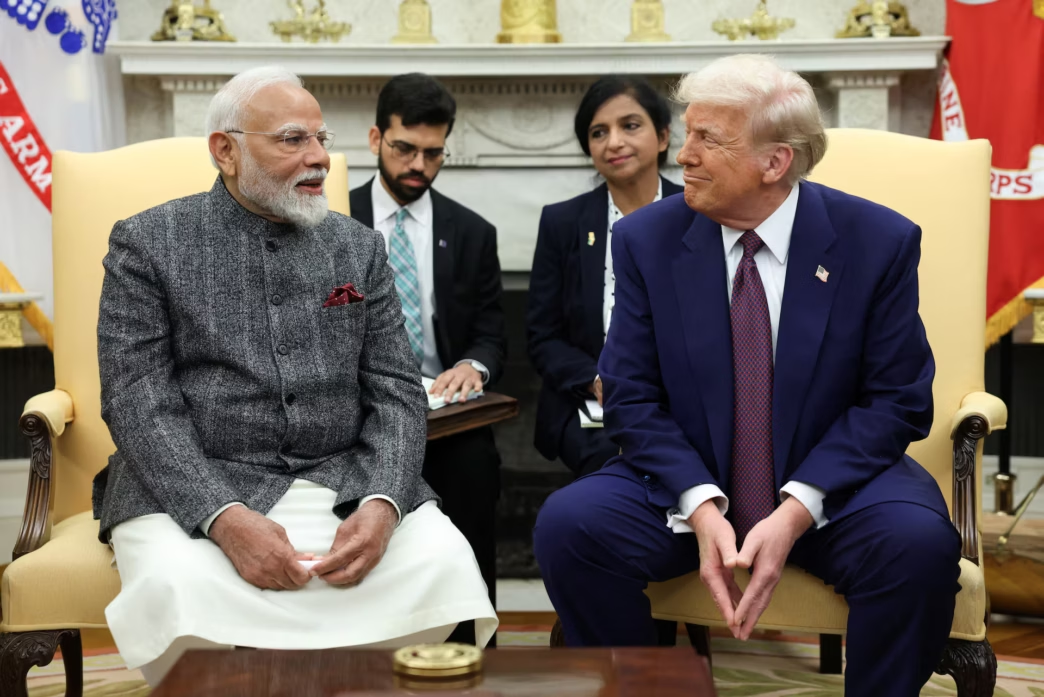
Indian Prime Minister Narendra Modi and U.S. President Donald Trump held a significant discussion on Tuesday regarding the escalating conflict in the Middle East and the critical status of the Strait of Hormuz.
Describing the call as a “useful exchange of views,” Modi reaffirmed India’s stance on the urgent need for regional de-escalation and the restoration of peace.
Both leaders emphasised that maintaining an open and secure passage through the Gulf chokepoint is a global necessity, as the waterway typically handles 20 per cent of the world’s seaborne crude oil.
The conversation comes at a time of severe disruption, as maritime traffic through the Strait has reached a virtual standstill following U.S.-Israeli strikes on Iran last month.
This blockage has placed immense pressure on global energy supply chains, specifically affecting India’s status as the world’s second-largest importer of liquefied petroleum gas (LPG).
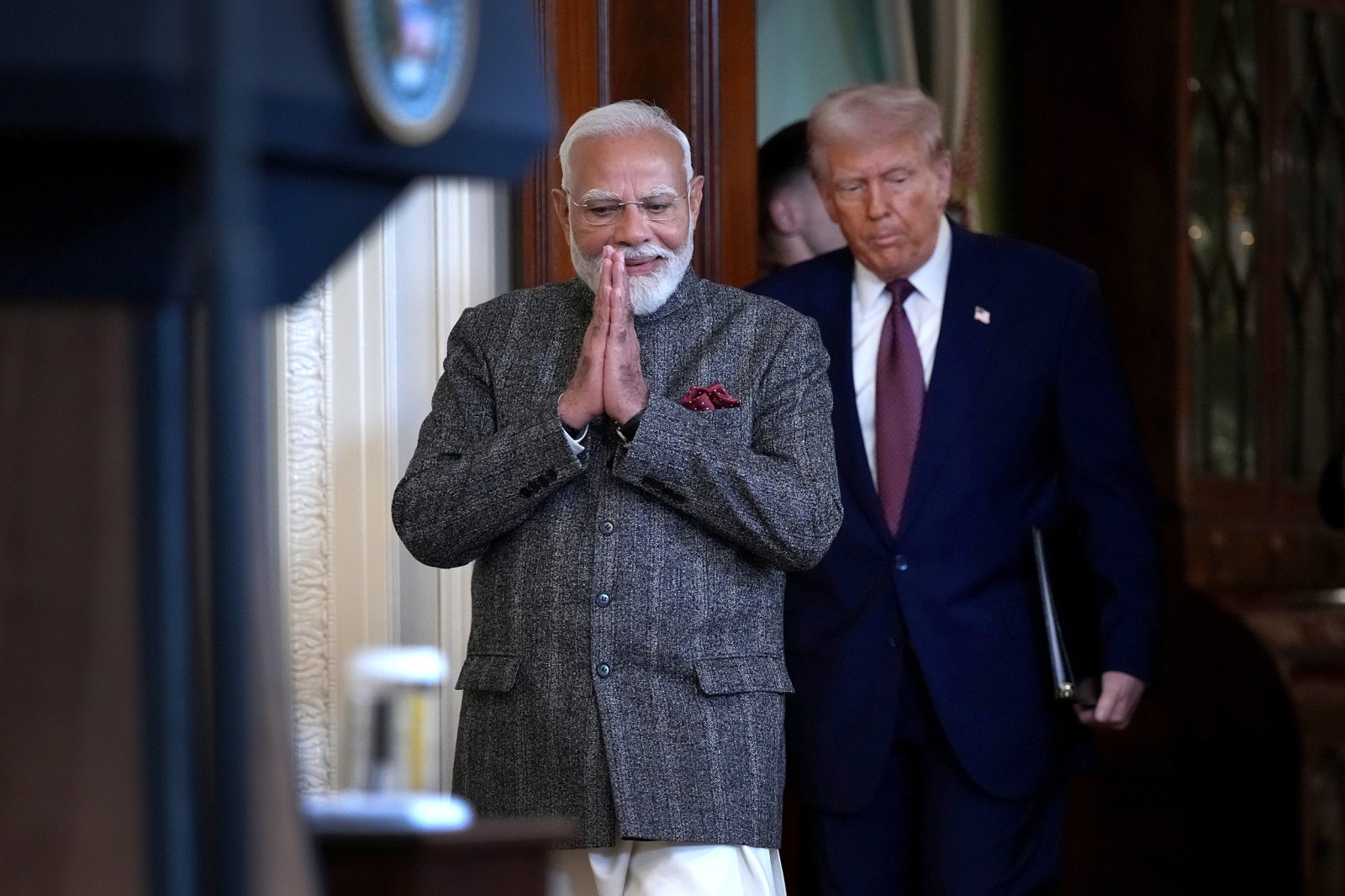
With much of India’s cooking gas sourced from the Middle East, the strangled supply lines represent a direct threat to domestic stability, prompting Modi to call for an end to black marketing and public panic while assuring citizens that current energy stocks remain stable.
Despite Prime Minister Modi’s historically close ties with Israeli Prime Minister Benjamin Netanyahu, New Delhi continues to navigate the conflict through a lens of neutrality, prioritising energy security and regional diplomacy.
U.S. Ambassador Sergio Gor confirmed that the dialogue centred on keeping the Strait “open, secure, and accessible” to prevent further economic shocks.
As the war continues to rattle international markets, India’s involvement underscores the growing concern among major emerging economies over the long-term impact of a prolonged maritime blockade in the Persian Gulf.