Trending
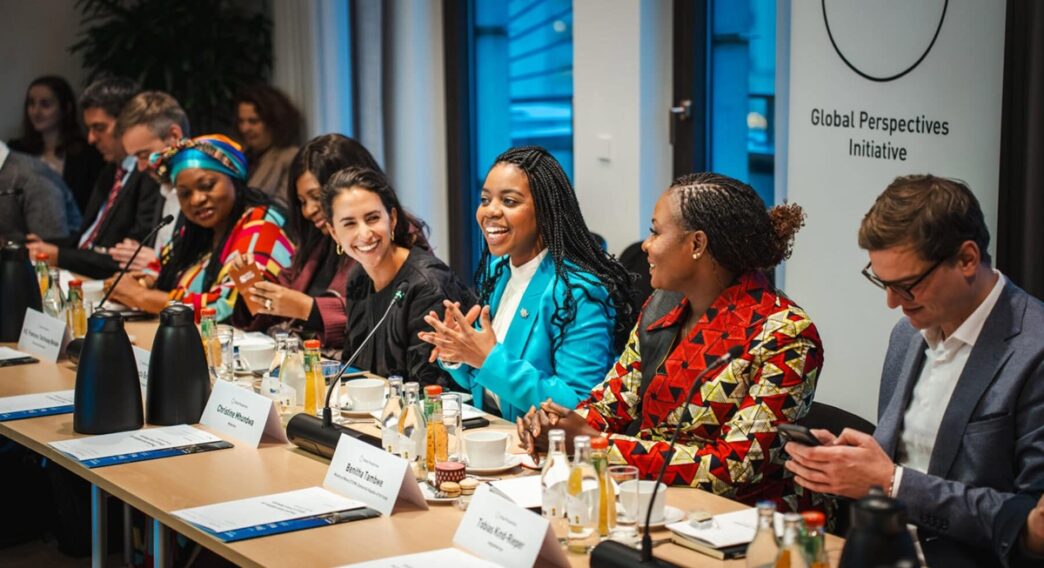
Recent regional and global influence reports show a rise in African women in senior leadership joining decision-making boards at global institutions, including the African Union, the Commonwealth and the United Nations.
When you walk into the corridors of the United Nations in New York or the World Trade Organisation(WTO) in Geneva today, you will find more African women than ever holding key decision-making positions.
In New York, UN Deputy Secretary-General Amina J. Mohammed is among the most influential voices in global development policy, while in Geneva, Ngozi Okonjo-Iweala continues to anchor Africa’s influence in global trade as the first woman and first African to lead the World Trade Organisation, following her mandate’s renewal in 2024.
Closer home at the African Union headquarters in Addis Ababa, Algeria’s Selma Malika Haddadi recently assumed office as AU Commission Vice Chairperson, succeeding Rwanda’s Monique Nsanzabaganwa, in another sign of leadership continuity at the high table. In October 2025, the AU reaffirmed its target of 50% women and 35% youth representation in its workforce.
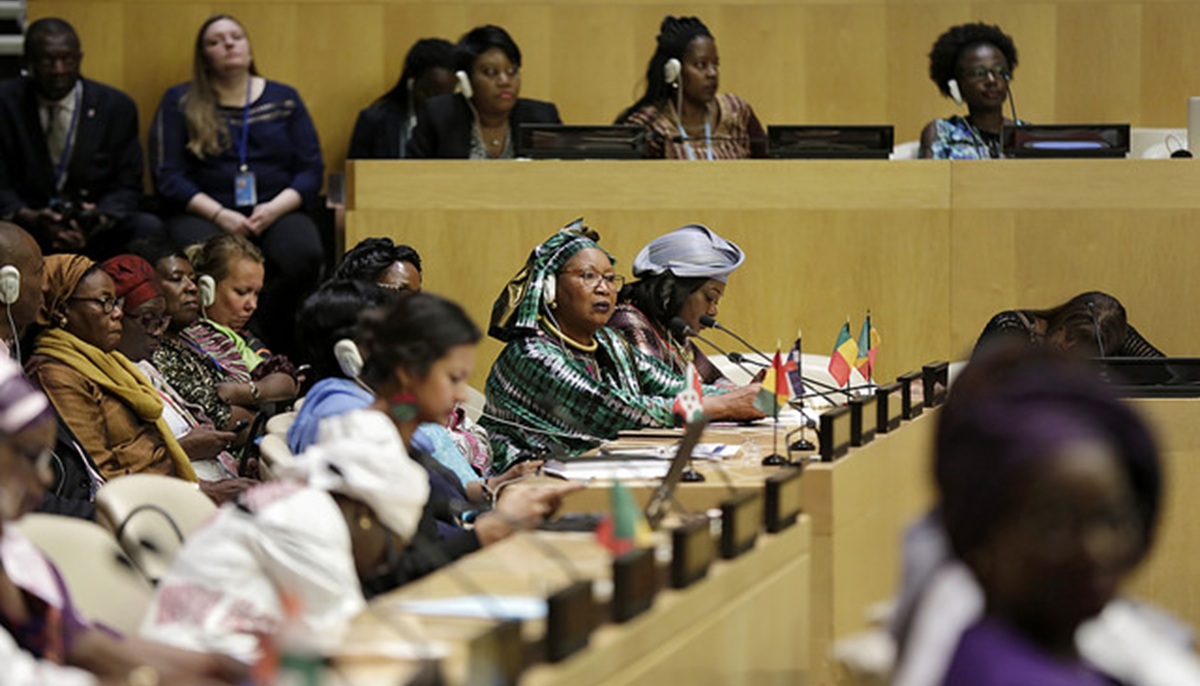
Across the UN system, the African Union, the Commonwealth, and the WTO, more African women now occupy top leadership roles, according to various ranking reports.
Avance Media’s 100 Most Influential African Women (2024/2025), for instance, highlighted the rising presence of African women in multilateral institutions, noting that leaders in global governance feature prominently on this year’s ranking.
“Global governance and multilateral institutions feature prominently in the ranking,” said Avance.
Among those listed are UN Deputy Secretary-General Amina J. Mohammed and UNDP Regional Director for Africa, Ahunna Eziakonwa, WTO’s Ngozi Okonjo-Iweala, Commonwealth Secretary-General Shirley Ayorkor Botchwey and UN Assistant Secretary-General for Africa Martha Ama Akyaa Pobee.
“These women are not only breaking barriers; they are redefining power, leadership, and influence across Africa and the world,” said Avance Media Managing Director Prince Akpah in a statement.
The Avance media publication features influential women drawn from 32 African countries, reflecting the depth and diversity of female leadership across the continent.
Nigeria emerged as the most represented country on the list, with 20 women, followed by South Africa (8), Ghana (8), Kenya (8), Zimbabwe (6), and Egypt (5).
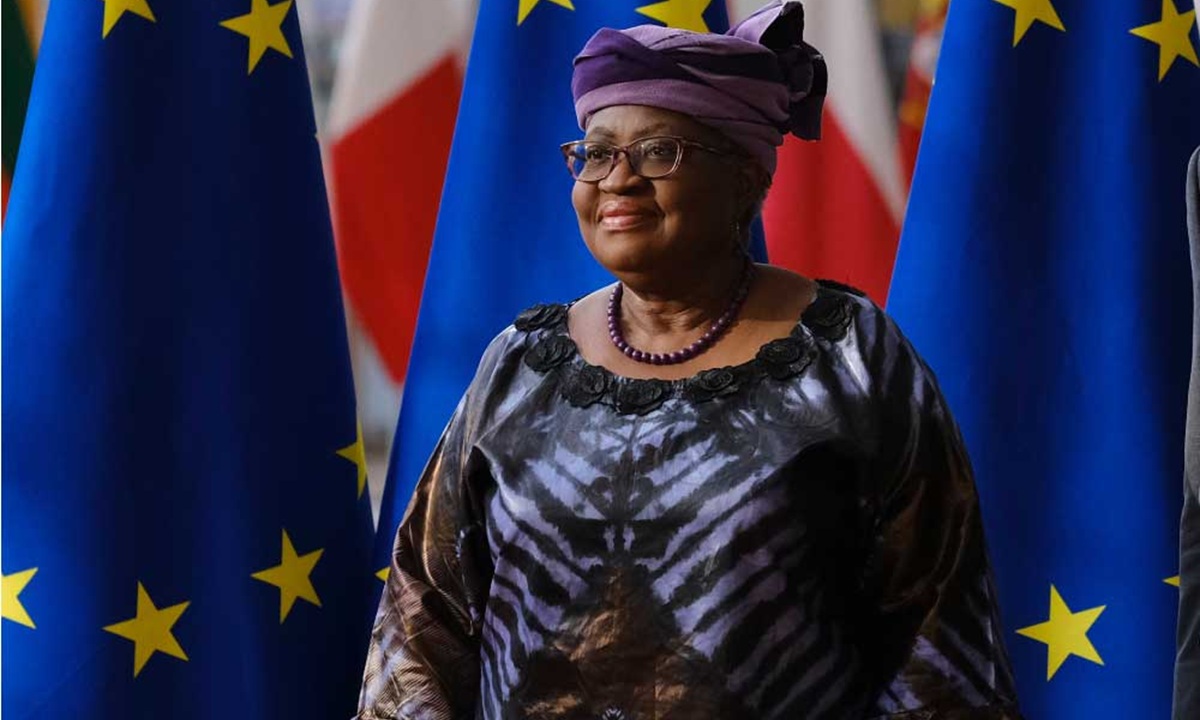
This February, UN Deputy Secretary-General Amina Mohammed, during a leadership conference in Nigeria, affirmed that genuine inclusivity is key in delivering Sustainable Development Goals and the African Union’s Agenda 2063.
“Let’s start with women. They are making it into the room, but the economic system is still not rewarding them when they get there. Women are not just undervalued in the workplace, they are locked out of the most foundational form of economic security,” said Mohammed.
While the growing list of influential women is largely composed of seasoned leaders, a new pipeline of young leaders is also being developed. The African Union, the UN, and UNDP are leading the development of this transitional pool.
On the sidelines of the African Union’s 39th Ordinary Session, the UNDP and the AU convened a conversation on Gen Z, Political Transitions, and the Future of Governance in Africa to advance the agenda.
“When we truly listen to young Africans, we don’t just expand participation, we transform governance,” Eziakonwa said.
Eziakonwa has positioned herself at the forefront of steering governance reform, development financing, and youth engagement across the continent.
In 2019, the AU Commission and UNDP launched the African Young Women Leaders Fellowship Programme, with the goal of placing at least one young African woman from each country each year into UN assignments across Africa and globally.
The programme has expanded over the years with each cohort, from 21 fellows in its first cycle to 38 in the second. The current cohort includes 36 fellows from 24 African countries deployed across 25 UNDP offices worldwide.
The Economic Commission of West African States (ECOWAS) is also pushing for the inclusion of young leaders in the running of the bloc. ECOWAS Commission Vice-President, Damtien Tchintchibidja, this February called on member state ministers to back the bloc’s flagship “Legacy Project” aimed at strengthening political inclusion across West Africa.
The initiative, launched to mark ECOWAS’ 50th anniversary, seeks to place women and young people at the centre of national development, linking inclusive governance to job creation, democratic legitimacy, stability and long-term growth.
She made the appeal in Accra, Ghana, during a Ministerial Meeting held alongside a regional consultation on the political participation and leadership of women and youth in West Africa.
“History will remember this generation of leaders not for what we said, but for what we enabled,” she said.
The Forbes 2025 list of the World’s 100 Most Powerful Women also spotlights African leaders with deep roots in multilateral institutions, to underscore the continent’s growing global influence. Among them is Nigeria’s Ngozi Okonjo-Iweala, Director-General of the World Trade Organisation, and Judith Suminwa Tuluka, a former UNDP official who made history in June 2024 as the Democratic Republic of Congo’s first female Prime Minister.
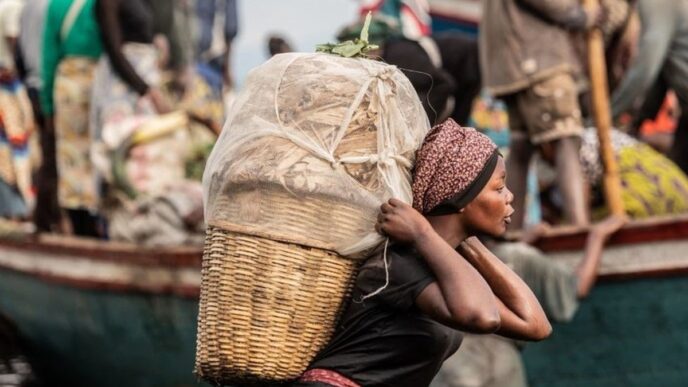
Credit: Conrad Onyango, Bird Story Agency.