Trending
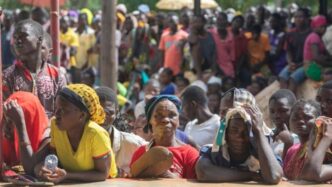
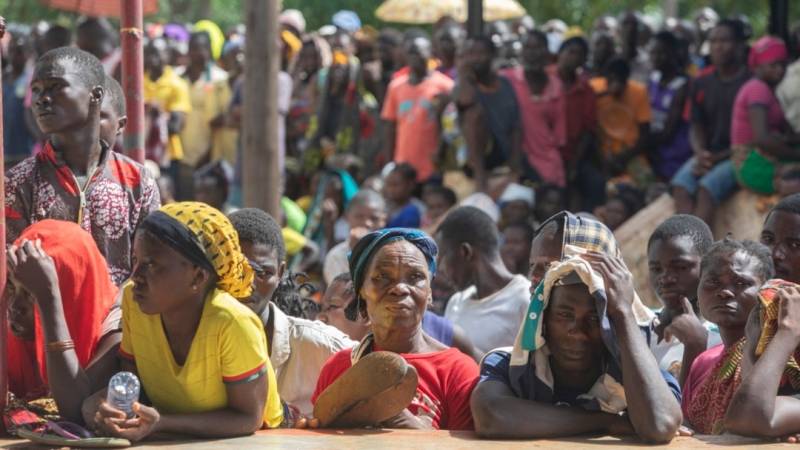
The United Nations has raised the alarm over a worsening humanitarian crisis in northern Mozambique, saying almost 300,000 people have been driven from their homes in recent months due to escalating violence.
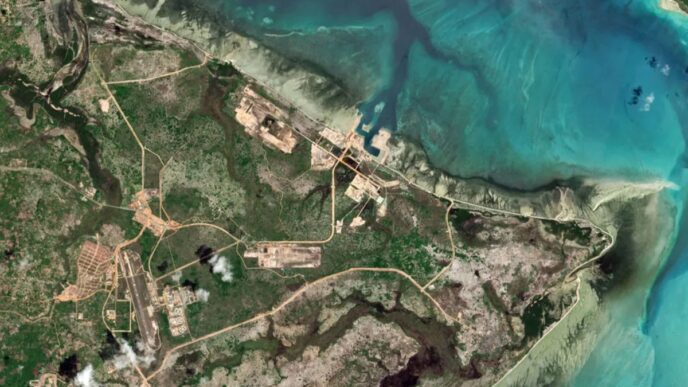
The unrest is being fuelled by a militant insurgency in Cabo Delgado province that has been running for several years and has already claimed more than 6,200 lives, according to conflict monitoring organisation ACLED. The fighting has also spread into neighbouring Nampula province, deepening instability across the region.
Speaking in Geneva on Tuesday, a senior official from the UN Refugee Agency said that displacement has surged dramatically in recent weeks. Nearly 100,000 people are estimated to have fled their communities in just the past fortnight as attacks on villages intensified.
Over the last three months alone, at least 287,000 people have been formally registered as displaced, UNHCR representative Xavier Creach revealed. However, he stressed that the actual figure is likely much higher, as many people escape without being officially recorded.
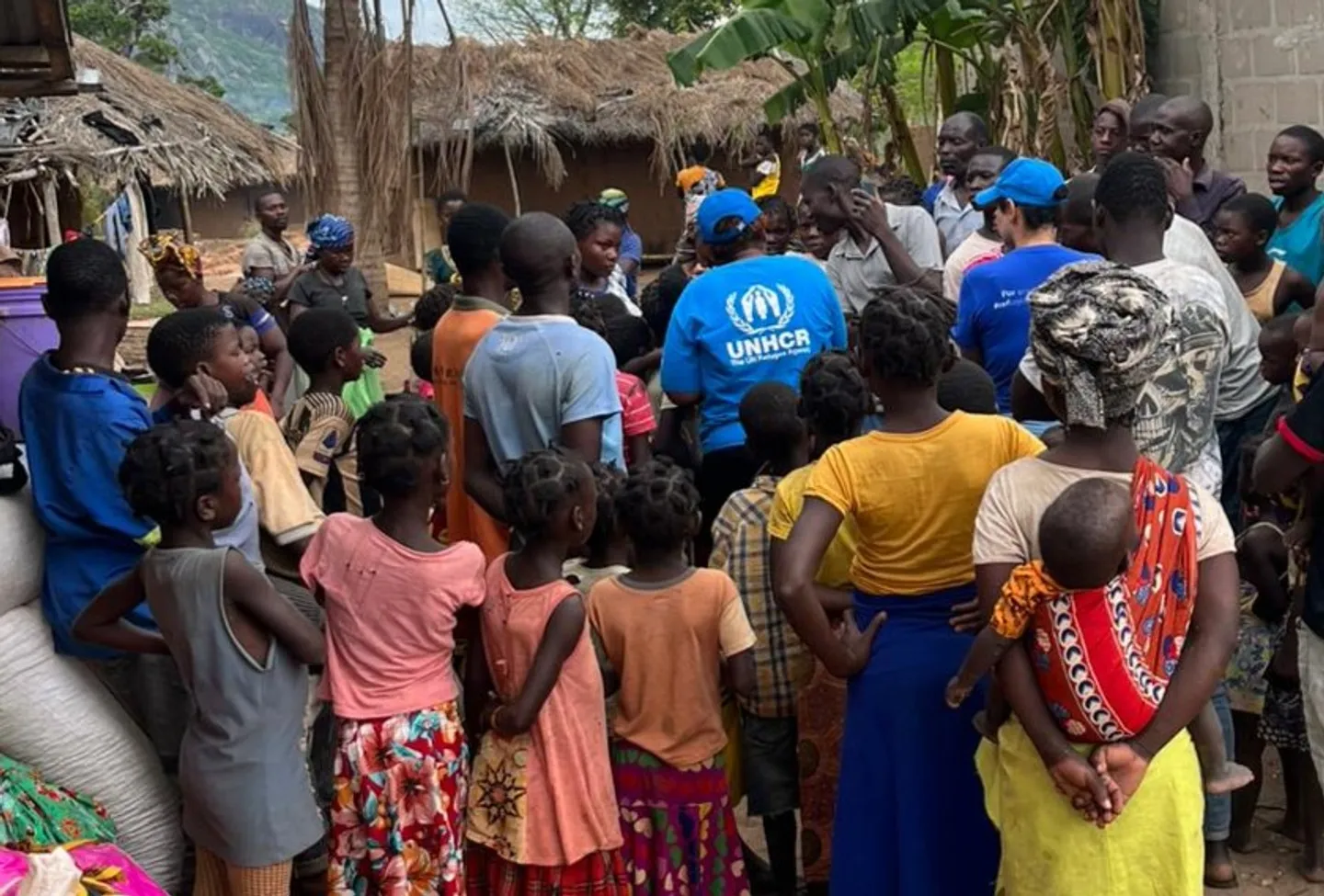
Creach said the scale of the crisis means the true total may be nearer to 300,000, with families fleeing since July in search of safety and basic survival.
The expanding conflict has made it increasingly difficult for aid agencies to reach those in need, with violence pushing into areas that were previously considered safe. As a result, humanitarian organisations are struggling to deliver food, shelter and medical care to displaced communities.
The UN warned that the current relief effort is being stretched beyond its limits and described the response as inadequate for the scale of suffering being witnessed on the ground.
Without a rapid increase in funding and international assistance, the agency said it would be impossible for humanitarian groups to maintain effective support for those uprooted by the violence.
Since the insurgency began in 2017, more than 1.3 million people in Mozambique have been forced to flee their homes, highlighting what aid agencies describe as one of Africa’s most overlooked displacement crises.