Trending
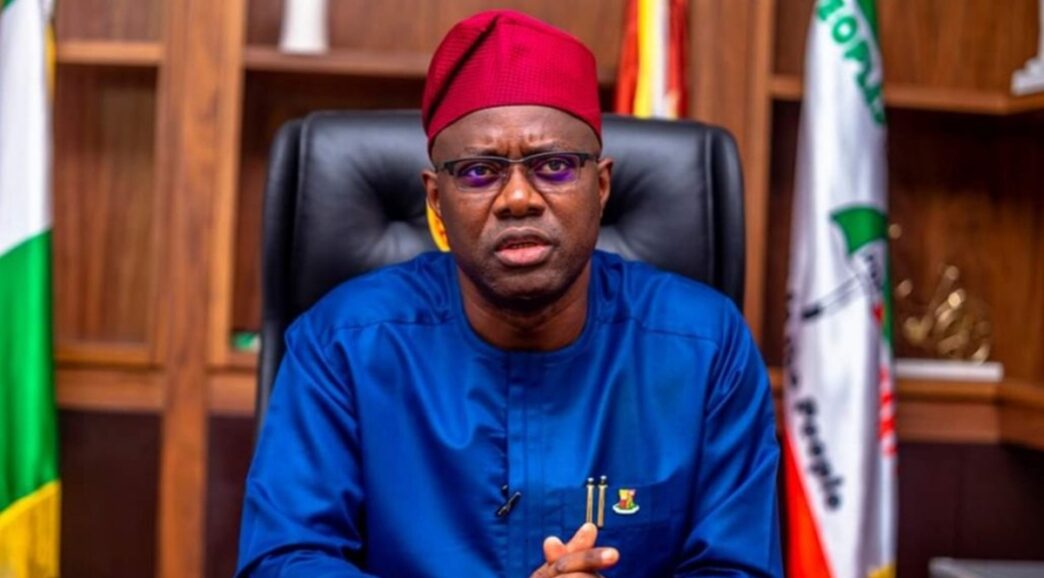
The Oyo State Government has clarified why Governor Seyi Makinde did not publicly announce receiving N30 billion intervention fund from the Nigerian government following the January 2024 Bodija explosion.
The state government explained in a statement that special intervention funds are capital grants subject to the budgeting process and do not require public disclosure upon receipt.
A report from Punch News states that the statement, issued on Thursday, December 1, by the Commissioner for Information, Prince Dotun Oyelade, also revealed that the N30 billion released by the Nigerian government in November 2024 remains untouched in a dedicated bank account, awaiting the release of the outstanding N20 billion from the N50 billion approved for the reconstruction of Old Bodija.
The explanation follows comments by former Ekiti State Governor Ayodele Fayose, who had challenged Makinde on a television interview to account for the N50 billion federal intervention fund.
Makinde, through his media aide Sulaimon Olanrewaju, had confirmed that while N50 billion was approved, only N30 billion had been released.
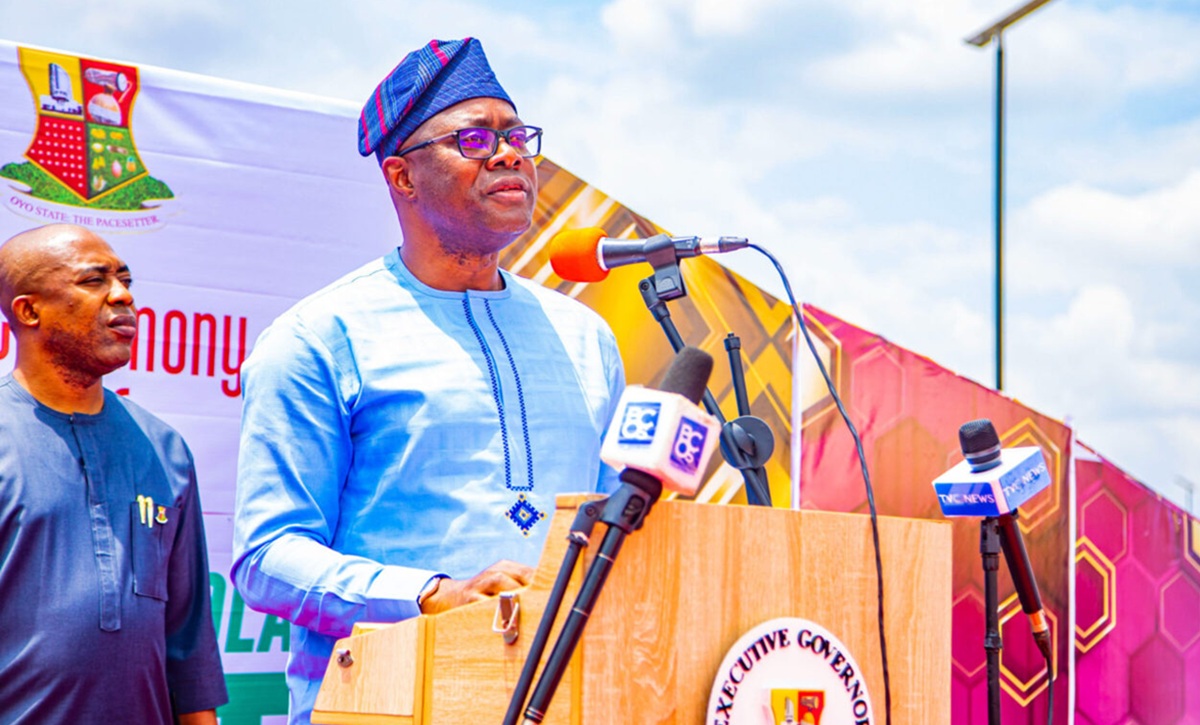
Credit: Careeradvice
Oyelade, while addressing the matter further on Thursday, added that the state government deliberately refrained from accessing the released N30 billion because federal agencies had withheld the remaining N20 billion without explanation.
Oyelade reported that the state government continues to engage with federal authorities to secure the balance.
“The Oyo State government has deliberately refrained from utilising the N30bn already released in recognition of the fact that the remaining N20bn has remained withheld by the relevant federal agencies for reasons that have not been communicated to the state.
“Given the disgraceful drama of the last couple of days from the Nigerian government on the approval, the government of Oyo State is convinced of the wisdom of its decision to ‘wait and see’ before deciding what to do with the money.
“Almost two years after the disaster, the Nigerian government is yet to release the outstanding balance of N20bn from the approved sum of N50bn.”
He recalled that Governor Makinde had written to President Bola Tinubu on January 19, 2024, three days after the Bodija explosion, requesting federal support to manage the disaster.
The governor had outlined immediate relief actions taken by the state, including search-and-rescue operations, medical treatment for victims, provision of ambulances, and temporary accommodation for displaced residents.
Oyelade further explained that the governor had also identified areas requiring federal assistance, such as debris clearance, demolition of unsafe buildings, compensation for affected property owners, reconstruction, and infrastructural restoration.
He noted that while Oyo State requested N100 billion for these interventions, the Nigerian government approved only N50 billion.
The commissioner further reported that the state had already spent N24.6 billion from its own resources to address the Bodija disaster. This included N20.1 billion on reconstruction and N4 billion on victim support and compensation. He emphasised that the state government entirely bore these expenditures.
“The state government did not wait for federal intervention, which came in November 2024, almost a year after the incident. As of today, January 1, 2026, the Oyo State government has spent N24.6bn from its own resources on Bodija and its environs in direct response to the explosion and its consequences. This includes N20.1bn spent on the reconstruction of infrastructure in Bodija and surrounding areas, as well as N4bn paid as support and compensation to victims of the explosion. These expenditures were fully borne by the Oyo State Government.
“Documents released by the Nigerian government through its agent, Mr Ayo Fayose, indicate that a total of N915.5bn was approved as intervention funds for states across the country.
The list of beneficiary states shows that one southwest state received N150bn, while another received N50bn. Oyo State, despite experiencing one of the most devastating incidents, received one of the lowest allocations among beneficiary states. Interested members of the public may consult the list for verification.”
Oyelade also noted that the N30 billion fund is in line with standard practice for capital grants and is subject to budgeting before expenditure, explaining why public announcements were not required.
He hinted that the state government had nothing to hide and would continue to engage the public transparently.
He further accused “desperate political actors” of attempting to exploit the Bodija tragedy for personal and political gains, asserting that residents’ understanding and cooperation remain appreciated.