Trending
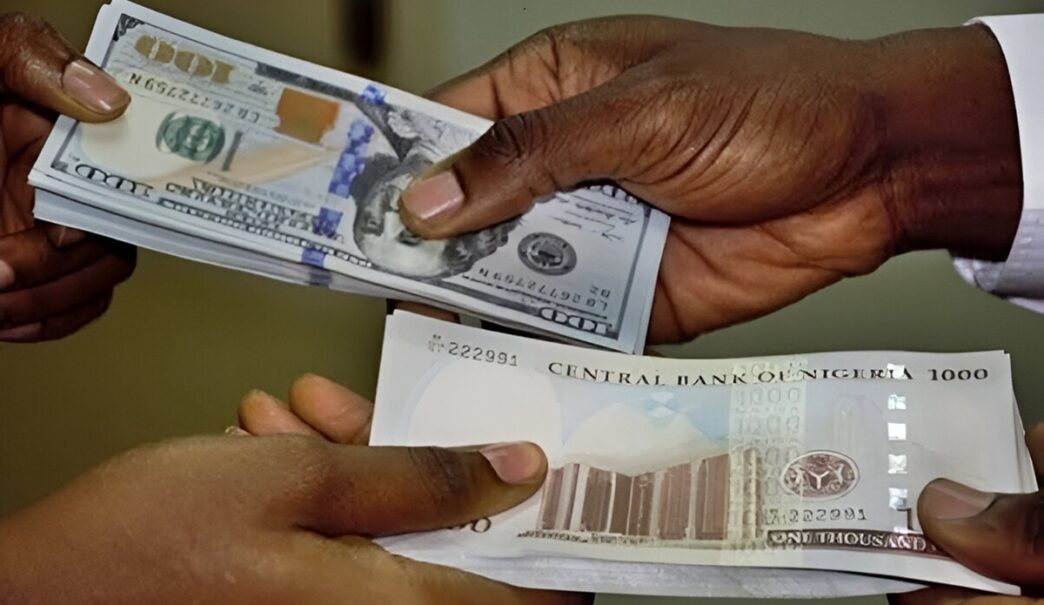
The Naira opened at ₦1,379.05 per dollar in the official foreign exchange window on Wednesday, March 4, 2026, before fluctuating slightly to a low of ₦1,376.02 in early morning trades and recovering to about ₦1,377.04 per dollar by 7:30 AM WAT.
The Central Bank of Nigeria (CBN) maintained a closing rate near ₦1,384.29, reflecting a subtle depreciation from February’s average of ₦1,364.74.
Authorised dealers noted that demand for foreign exchange remains strong, particularly for corporate remittances and manufacturing imports, but the market continues to benefit from the CBN’s “willing-buyer-willing-seller” approach, which has prevented the devaluations seen in past years.
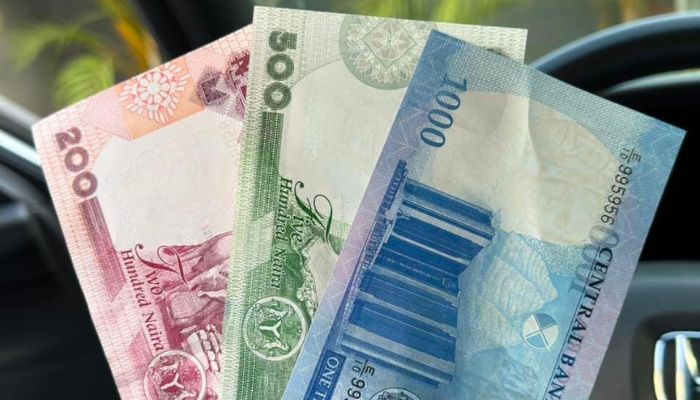
In the parallel market, the Naira closely followed official rates, with the US dollar changing hands between ₦1,385 and ₦1,395, keeping the spread with the official market at a narrow 1.2 to 1.5 per cent.
Traders in Lagos and Kano observed that the informal market is now largely retail-focused, catering to personal travel and small business needs. They attributed the relatively small premium to the CBN’s regular interventions and transparency measures, which have reduced speculative hoarding.
Several factors are influencing the exchange rate, including Nigeria’s monetary policy stance, external reserves, and oil-sector performance. The CBN has maintained the Monetary Policy Rate at 26.50 per cent after a recent 50-basis-point cut, while headline inflation fell to 15.10 per cent, giving investors a positive real return that supports the Naira.
Meanwhile, Nigeria’s foreign reserves remain robust, giving the apex bank the capacity to intervene during periods of low liquidity.
Market analysts said the Naira is likely to trade between ₦1,375 and ₦1,385 per dollar in the official window for the rest of the week.