Trending
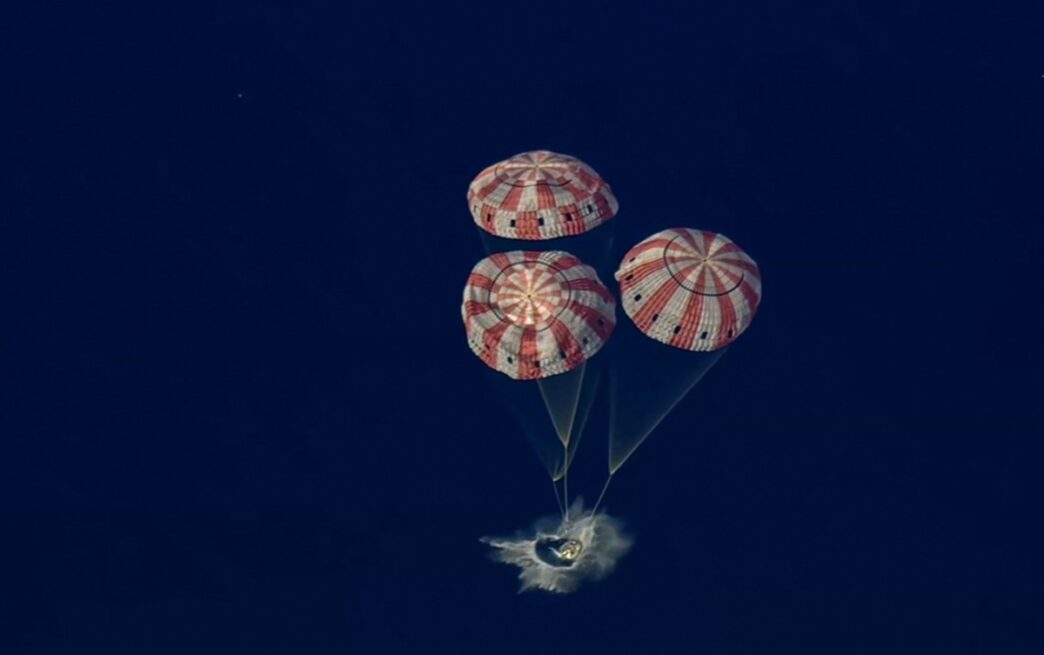
The four astronauts aboard the National Aeronautics and Space Administration (NASA) spacecraft, Artemis II, safely returned to Earth on Friday, splashing down off the coast of California after completing a historic crewed mission around the Moon, the first of its kind in more than 50 years.
Mission commander Reid Wiseman confirmed that all crew members, including Christina Koch, Victor Glover and Jeremy Hansen, were in stable condition following re-entry.
NASA officials explained that the crew were in good health after landing.
After a brief communications blackout during re-entry, contact was restored with mission control in Houston, signalling that the astronauts were safely returning.
Recovery teams from NASA and the US military retrieved the crew from the capsule. They will then be flown to a recovery ship off the Pacific coast near San Diego.
The spacecraft endured extreme conditions during descent, travelling at speeds exceeding 30 times the speed of sound and withstanding intense heat, in a critical test of its heat shield. The re-entry was completed without complications, marking a key success for the mission.
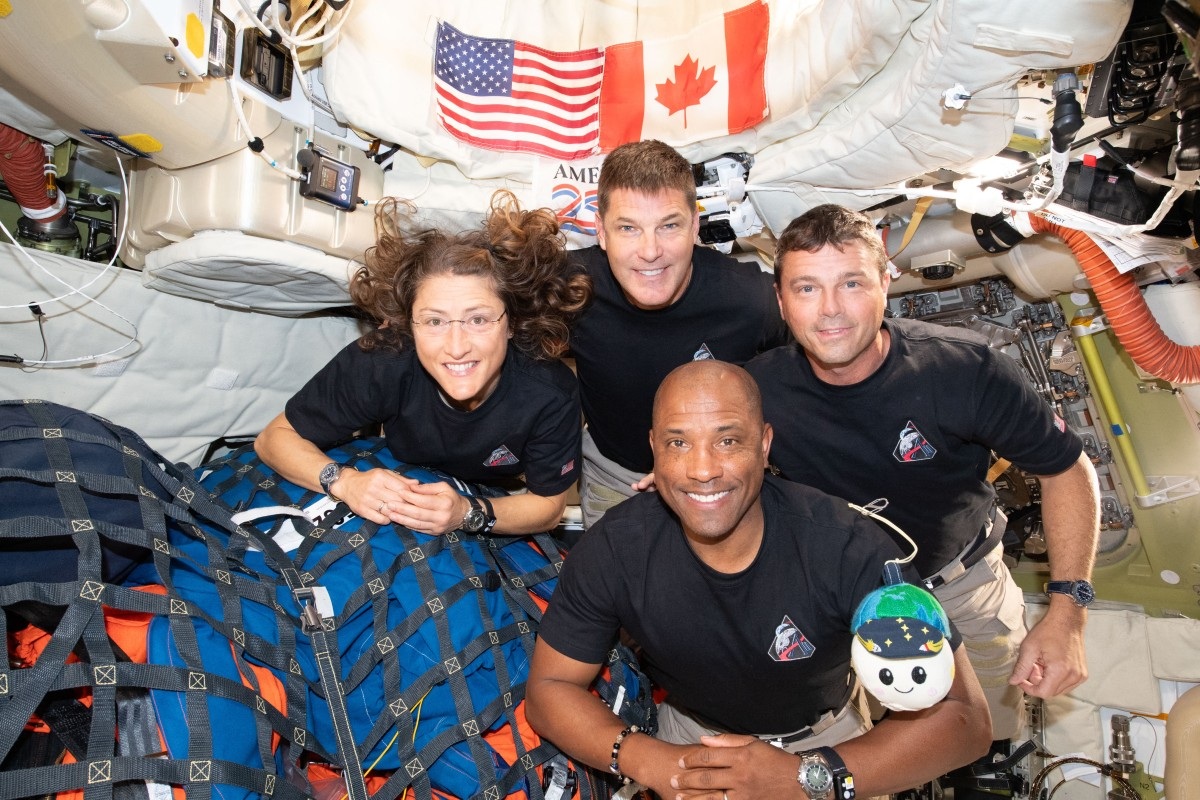
NASA administrator Jared Isaacman described the flight as a flawless mission and said it marked a renewed era of lunar exploration, adding that regular missions to the Moon would continue.
“We’re back in the business of sending astronauts to the Moon,” he said, and “this is just the beginning.”
“We are going to get back into doing this with frequency, sending missions to the Moon until we land on it in 2028 and start building our base.”
The mission lasted just over nine days, beginning with its launch from Florida on April 1.
It formed part of NASA’s broader Artemis programme aimed at establishing a sustained human presence on the Moon.
US President Donald Trump praised the astronauts for what he called a remarkable journey and expressed optimism about future missions, including eventual plans to send humans to Mars.
“I look forward to seeing you all at the White House soon. We’ll be doing it again and then, next step, Mars!”
During the mission, the crew travelled a record distance of 252,756 miles (406,771 kilometres) from Earth, making them the farthest-travelling humans in history.
They also captured thousands of images and observed rare events, including a solar eclipse and meteorite impacts on the Moon.
The flight marked several milestones: Glover became the first person of colour to orbit the Moon, Koch the first woman, and Hansen the first non-American to take part in such a mission.
NASA will now analyse the returned Orion capsule to assess its performance, particularly the heat shield, following concerns raised during the earlier uncrewed Artemis I flight.
The astronauts are expected to reunite with their families in Houston after completing post-mission procedures.