Trending

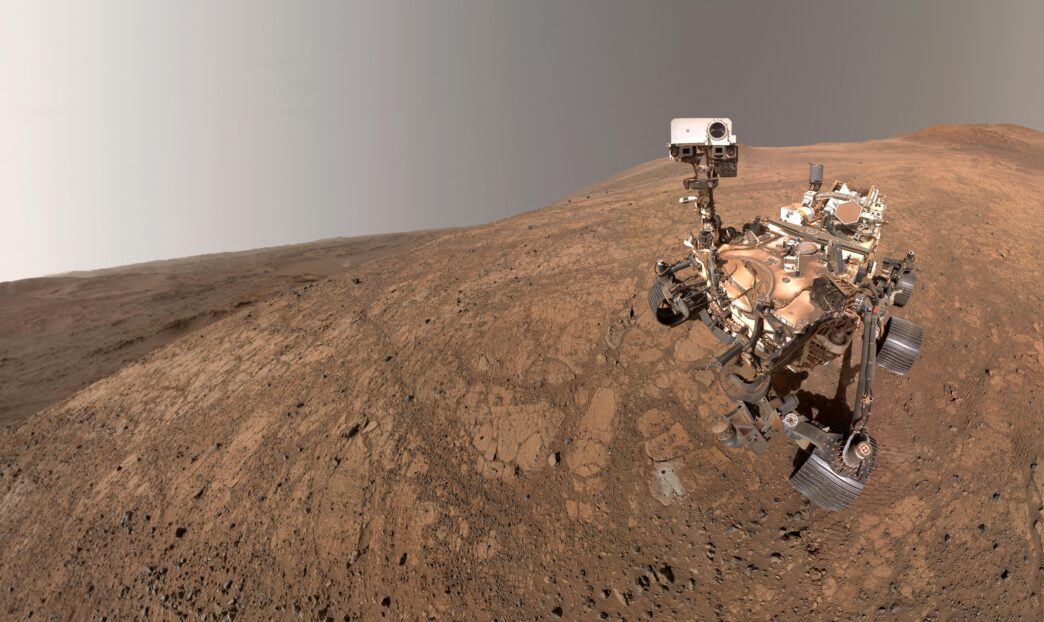
NASA chief Jared Isaacman announced on Tuesday that the agency will invest $20 billion in developing a base on the Moon while putting on hold its plans for the lunar orbital station known as Gateway.
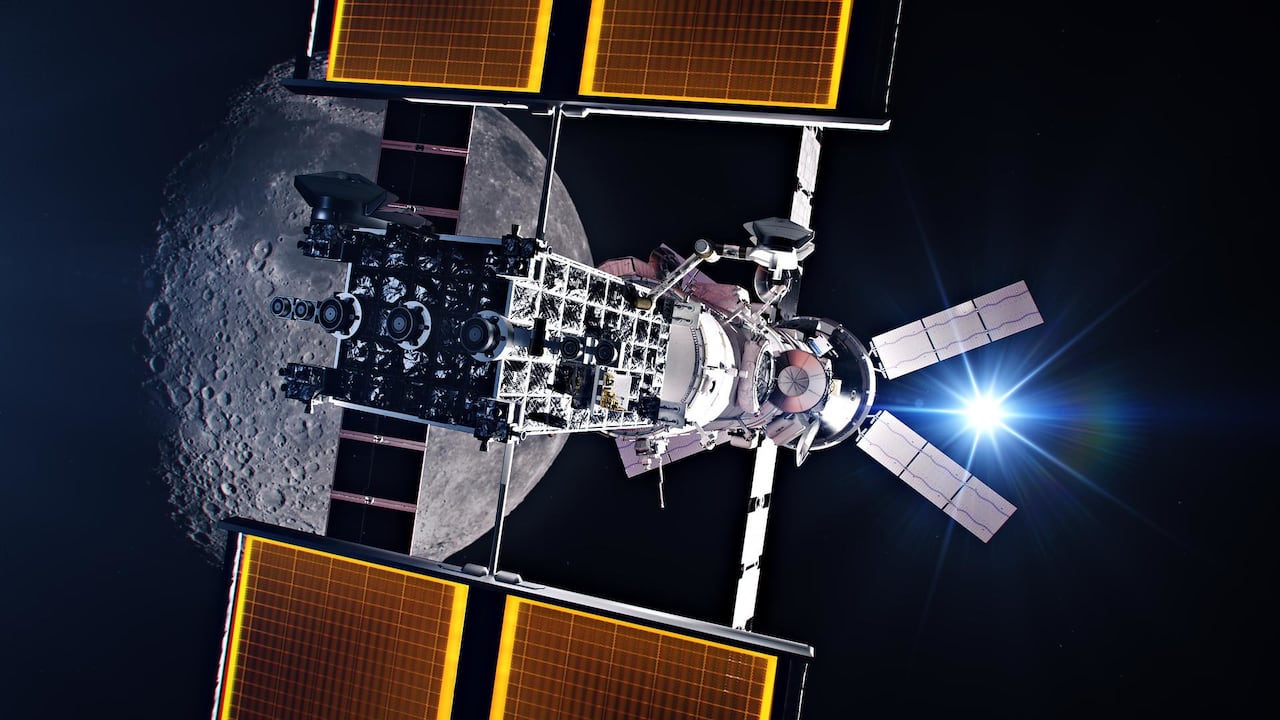
“The agency intends to pause Gateway in its current form and shift focus to infrastructure that enables sustained surface operations,” Isaacman said during a day-long event at NASA headquarters in Washington.
“Despite challenges with some existing hardware, the agency will repurpose applicable equipment and leverage international partner commitments to support these objectives,” he added.
The European Space Agency and other international partners had been involved in the Gateway project.
The move represents another major adjustment within NASA following changes to the Artemis program, which is designed to return Americans to the Moon and establish a lasting presence, with a longer-term goal of missions to Mars.
The Gateway station had been intended as both a transfer point for astronauts travelling to the Moon and a platform for scientific research.
Its suspension had been anticipated by some critics, who viewed it as costly or a diversion from broader lunar objectives.
Isaacman said the agency now plans to invest $20 billion over the next seven years to build the lunar base through multiple missions, “working together with commercial and international partners towards a deliberate and achievable plan.”
“There will be an evolutionary path to building humanity’s first permanent surface outpost beyond Earth, and we will take the world along with us.”
Artemis 2 next in line
Isaacman, who assumed leadership of NASA late last year, recently confirmed a restructuring of the Artemis programme, which has faced repeated delays, as the agency aims to return humans to the Moon by 2028.
While that target remains unchanged, the agency is revising its flight schedule to include a test mission ahead of a crewed lunar landing, in order to strengthen launch readiness.
This change follows continued delays to Artemis 2, initially planned for earlier in the year but now targeting early April. The mission is expected to mark the first crewed flyby of the Moon in over 50 years.
During his first term, Donald Trump declared his intention for Americans to return to the lunar surface.
Meanwhile, China is advancing plans for its first crewed Moon mission by 2030.
The United States’ effort also relies on private sector partners, including SpaceX and Blue Origin, owned by Elon Musk and Jeff Bezos respectively, which are developing lunar landers for the Artemis programme.