


 Trending

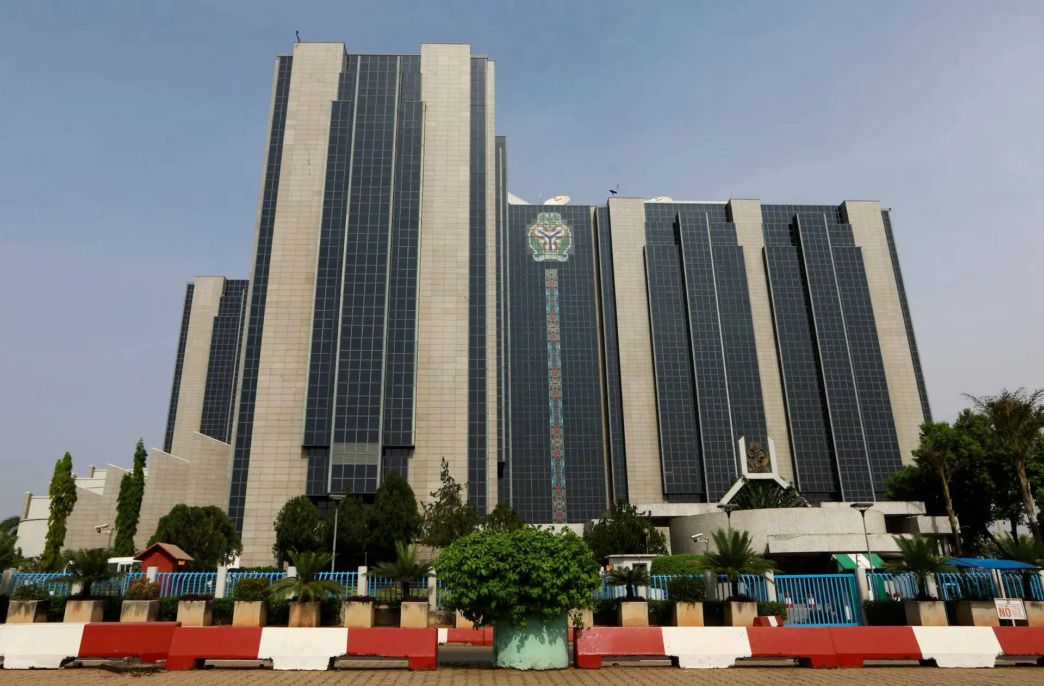
Nigeria has achieved its target of receiving $1 billion in monthly diaspora remittances, the Central Bank of Nigeria has announced.
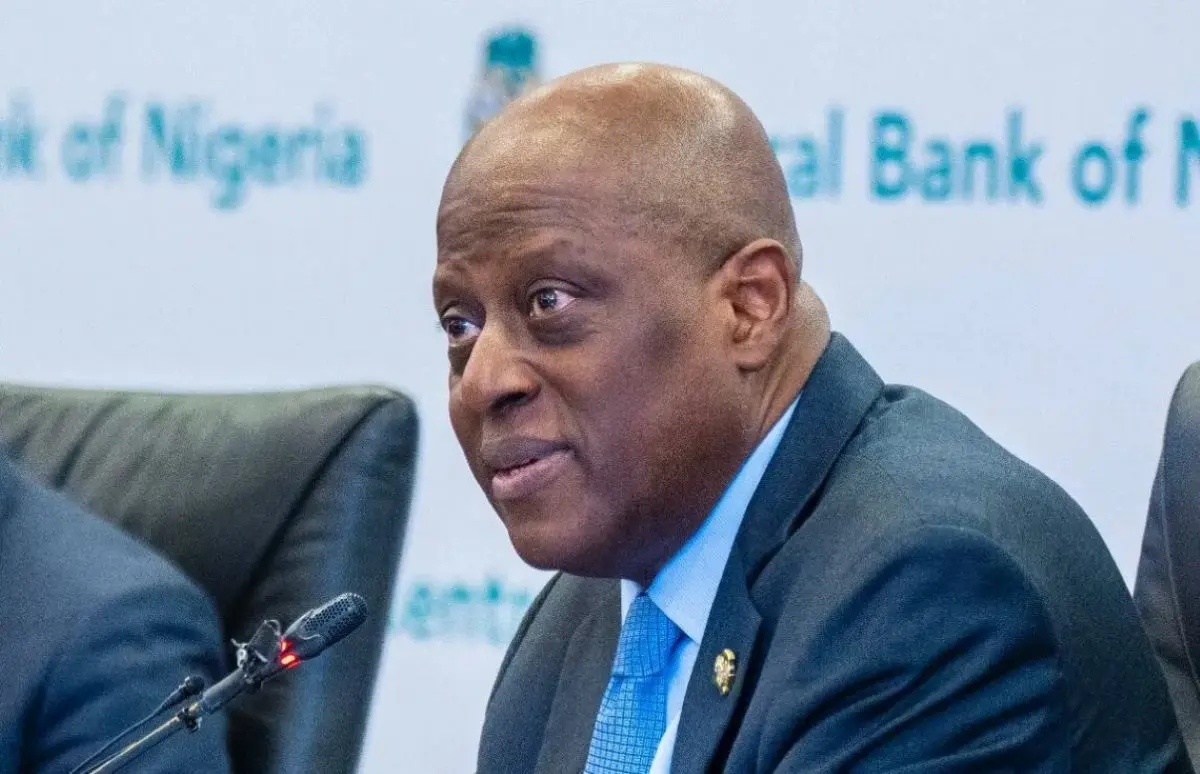
CBN Governor, Olayemi Cardoso, disclosed this on Friday at the 61st Annual Bankers’ Dinner organised by the Chartered Institute of Bankers of Nigeria in Lagos.
He said the Nigerian Government and the apex bank were now working towards increasing monthly diaspora remittances to $1.5 billion by the end of the first half of 2027.
“When I stood before you last year, I spoke of our ambition to increase monthly remittances to $1 billion a month. I am pleased to report that this milestone has been achieved.
“We are now working towards increasing monthly remittances to $1.5 billion by the end of the first half of 2027,” Cardoso said.
He said the changes had restored the dignity of Nigerians overseas by making it easier for them to make payments without relying solely on cash or facing difficulties with card transactions.
Cardoso commended licensed International Money Transfer Operators for improving transparency, investing in technology and expanding formal remittance channels, particularly across Asia.
He also said the next phase of Nigeria’s financial reforms would focus on increasing market liquidity, encouraging wider participation and expanding the range of financial instruments available to businesses and investors.
On the foreign exchange market, the CBN governor disclosed that the naira had strengthened by approximately six per cent over the past year, while daily foreign exchange turnover had sometimes exceeded $1 billion.
He added that daily turnover in the fixed-income market averaged N1.5 trillion, supported by a credible tradable benchmark yield curve extending to 10 years.
According to him, these developments indicate growing confidence in Nigeria’s financial markets.
Cardoso, however, noted that a well-functioning foreign exchange market does not mean that exchange rates would remain stable, explaining that prices could rise or fall in response to economic conditions.
He said emerging market currencies, including the naira, had experienced volatility due to changes in United States interest rates and global investor sentiment.
“Nigeria, as I have said, is part of this interconnected global financial system, but believe me, we are considerably better equipped to manage external shocks than we were three years ago,” he said.
The CBN governor added that the external buffers built by the country had improved its resilience to economic shocks.
He assured that the apex bank remained prepared to deploy its foreign exchange reserves when necessary to address disorderly market conditions and reduce the impact of external pressures.
Cardoso said recent short-term movements in the financial markets should be considered alongside Nigeria’s improved macroeconomic fundamentals and economic outlook for 2027.