Trending


The Joint National Public Service Negotiating Council (JNPSNC) has requested a minimum wage of N154,000 and a 120% upward review of salaries and allowances for public workers in Nigeria.
The demand was contained in a letter dated March 12, 2026, addressed to the Office of the Head of the Civil Service of the Federation, signed by JNPSNC National Chairman Benjamin Anthony and National Secretary Olowoyo Gbenga.
The council said the request follows an exhaustive meeting held on March 9, 2026, at the AUPCTRE National Secretariat, Wuse Zone 4, Abuja.
“Urgent need for the upward review of salaries and allowances of workers in the Nigerian public service and commendation for the approval of gratuity payment to retiring workers” was the title of the demand.
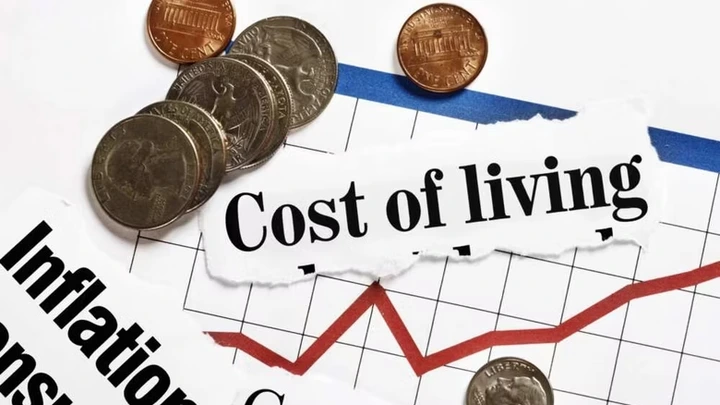
In the letter, the council said, “Despite their immense contributions, public service workers continue to face severe economic hardship due to the rising cost of living and the declining purchasing power of their earnings.”
JNPSNC noted the economic pressures, including inflation, rising fuel and transportation costs, and escalating prices of food, housing, healthcare, and education.
“The above realities have significantly eroded the real value of workers’ salaries and have made it increasingly difficult for many public servants to maintain a decent standard of living,” the letter stated.
“It is important to note that the last major adjustments in workers’ remuneration have not sufficiently kept pace with the current economic realities.
“Many workers are now struggling to meet basic financial obligations, which has inevitably affected the morale, motivation, and overall productivity within the Public Service.”
JNPSNC urged the Head of the Civil Service to initiate negotiations with the National Salaries, Income and Wages Commission and relevant committees to review the salary structure and allowances.
“Consequently, new salary templates should be developed such that the minimum salary payable to an officer on Grade Level 01 Step 1 shall be N154,000 per month for Federal Public Servants (120% increase in salaries and allowances),” the council said.
“Harmonise Wages: ensure that the upward review is applied across all Ministries, Departments, and Agencies (MDAs), and strongly encourage implementation at sub-national levels to ensure equity;
“Implement Cost-of-Living Adjustments: Introduce automatic, periodic salary and allowance adjustments that align with inflation rates to prevent the recurring lag between wage review cycles; and prioritise welfare components: in addition to basic salary, implement non-monetary incentives such as subsidised transportation and affordable housing for civil servants.”
The council also noted that a timely upward review of public servants’ salaries and allowances is not merely an economic imperative but also a social necessity to sustain the workforce, maintain industrial harmony, and improve the efficiency of public service delivery.
It added, “We remain committed to constructive dialogue, resourceful engagement and collaboration with the government toward achieving a fair, sustainable, and mutually beneficial outcome for all stakeholders.
“We trust that this request will receive the prompt attention and action it deserves in the interest of workers, the Public Service as an institution and the nation at large; so as to nip in the bud possible escalation that may nosedive into spontaneous social unrest.”
JNPSNC also commended President Bola Tinubu for approving 100% gratuity payment to retiring federal public servants, describing it as “not only a positive development but also a bold step towards ensuring that retiring public servants escape the life of servitude and serfdom often being experienced when out of public service, which is always characterised by impoverish life after service.”