Trending
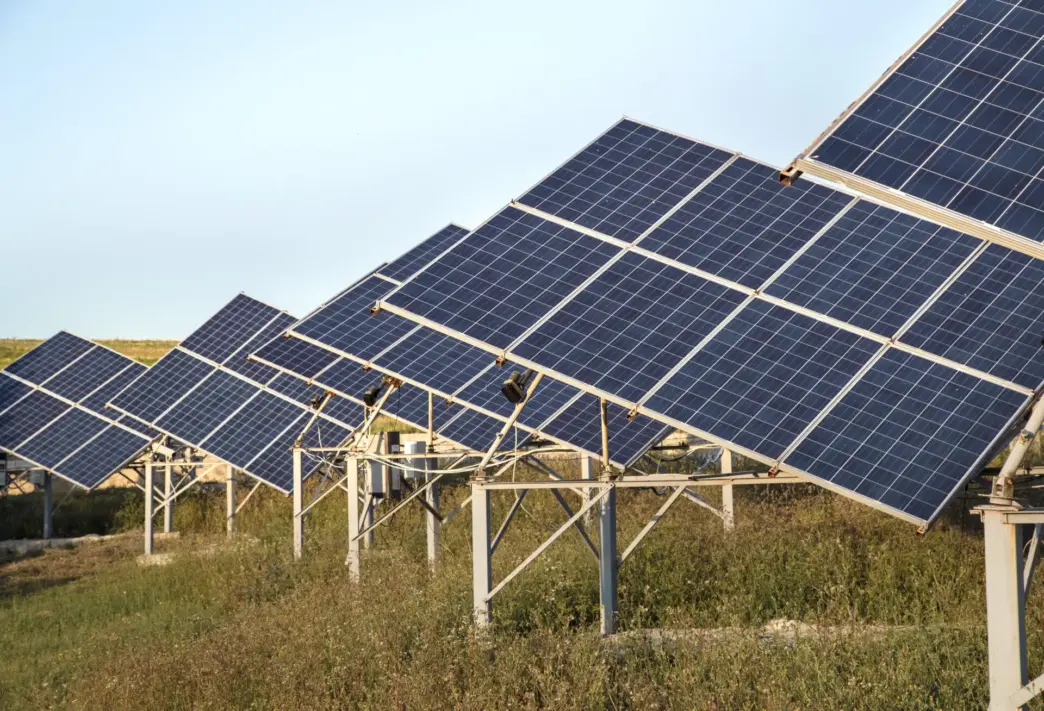
The Nigerian government has initiated a monumental $750 million renewable energy programme designed to transform the nation’s power sector through the deployment of solar mini-grids.
Managed by the Rural Electrification Agency (REA), the project aims to establish 1,350 solar mini-grids across the country, including 250 systems integrated directly into the national grid.
Officials anticipate that this massive public investment will spur an additional $1.1 billion in private-sector funding, making it one of the largest renewable energy interventions globally. This decentralised approach targets Nigeria’s persistent electricity deficit, which currently forces millions of citizens and businesses to rely on expensive, carbon-intensive generators.
The REA‘s focus on off-grid and mini-grid solutions aims to provide a faster, cleaner alternative to traditional grid expansion, particularly for remote rural communities.
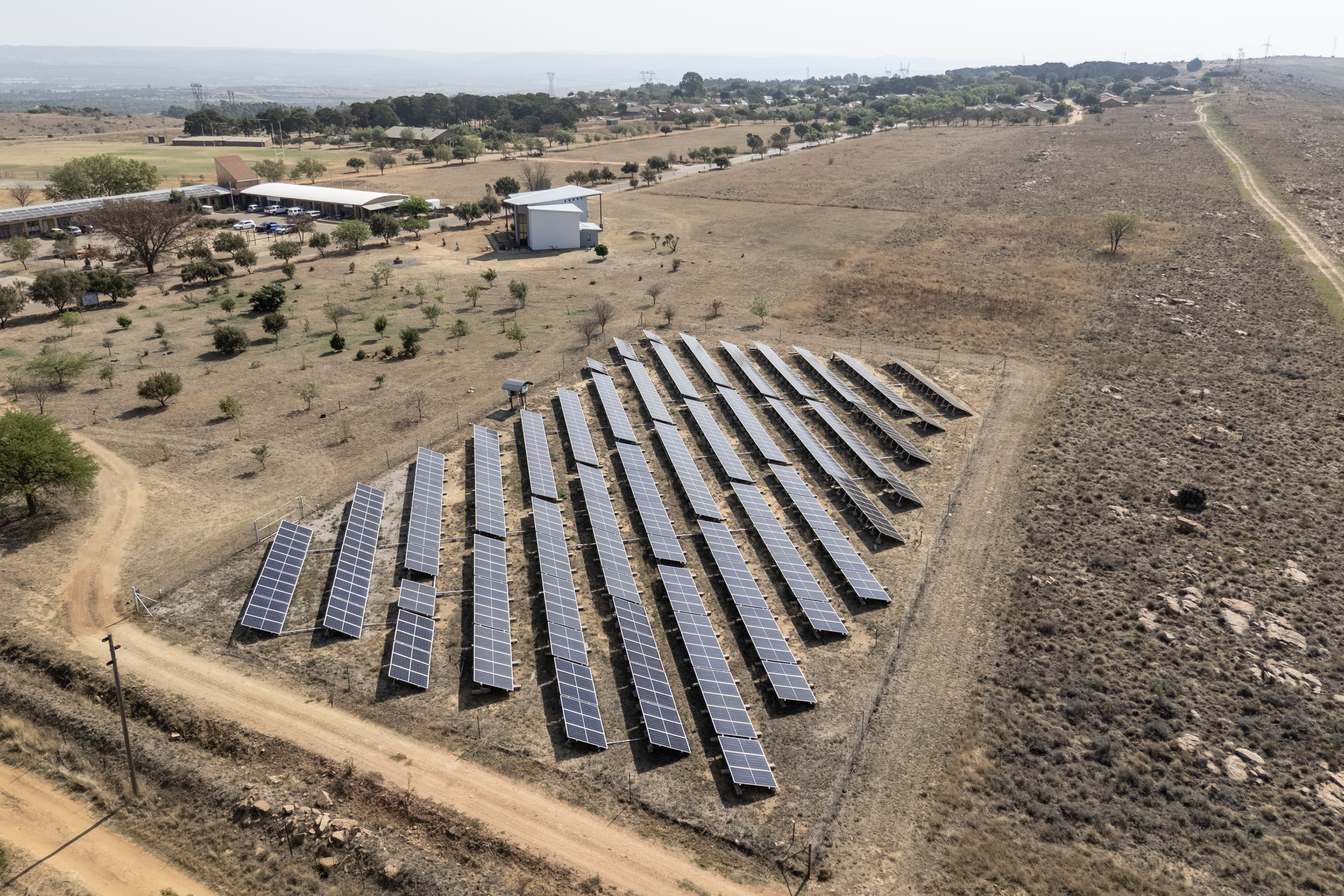
The initiative also includes the “Energising Education Programme,” which has already completed 15 large-scale solar installations to provide dedicated power to universities and teaching hospitals.
In addition to academic institutions, the Nigerian government is scaling up solar adoption across public agencies through the National Public Sector Solarisation Initiative.
Backed by ₦100 billion in funding, the programme is currently installing solar infrastructure at critical facilities, including the National Hospital in Abuja and various security agencies.
For the international community, this comprehensive rollout signals a major shift in Africa’s largest economy toward a sustainable, resilient, and investor-friendly energy landscape.