Trending
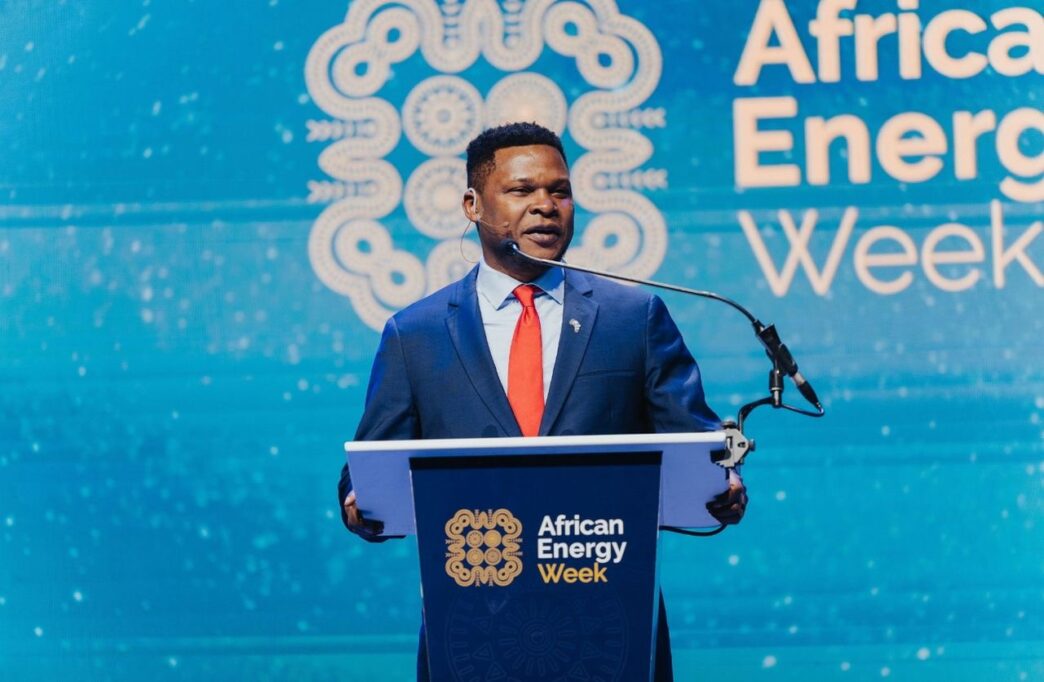
Nigeria must focus on domestic refining to reduce exposure to imported product shocks, conserve foreign exchange and strengthen regional trade, the Africa Energy Chamber has advised, warning that crude-export complacency must end.
In a statement linked to his newly published book, “Crude Oil: Power, Turnaround and Transformation in Angola,” Chamber Chairman NJ Ayuk said that a durable downstream market needs competition, transparent regulation, reliable crude supply, efficient logistics, and clear export frameworks.
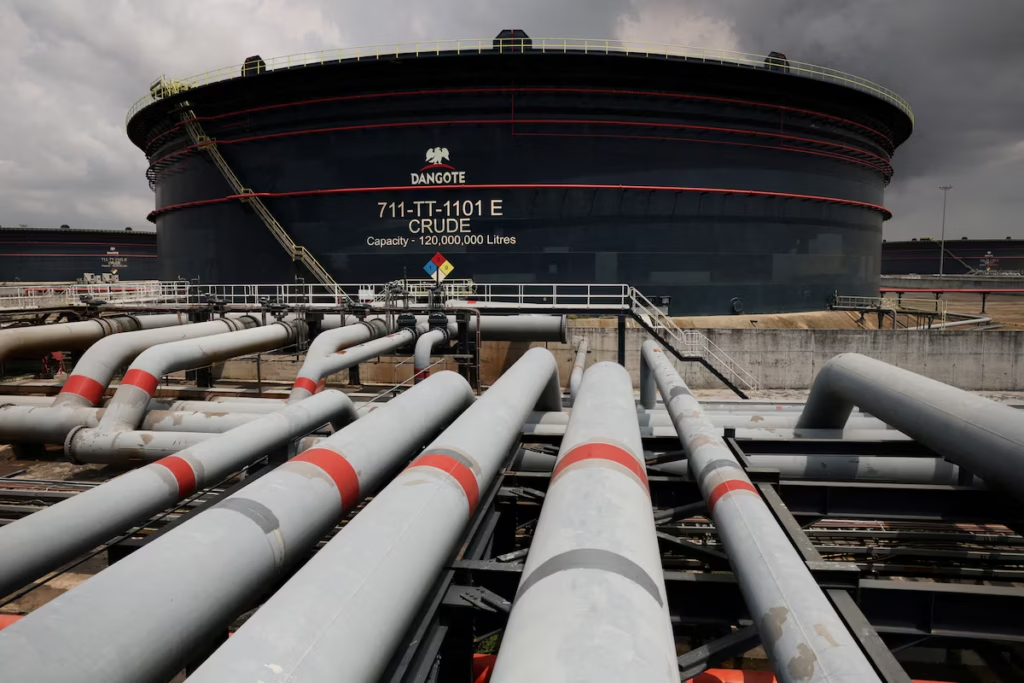
“The Dangote Refinery has already altered expectations. It has shown that private capital can reshape a sector long dominated by state failure and import dependence,” Ayuk said.
Read More : Umahi: Obi Can Never Be South-East’s Best
“But it has also exposed unresolved questions: crude supply obligations, pricing models, regulatory coordination, product quality standards, distribution margins, market competition and the relationship between domestic supply and export opportunities. These are not minor issues. They will determine whether Nigeria’s downstream transformation becomes broad-based or narrowly concentrated.”
Ayuk described Nigeria’s downstream paradox as simple but damaging.
“A country produces crude oil, exports it, earns foreign exchange, then spends heavily to import refined products made from the same resource. In theory, crude wealth should support domestic energy security. In practice, weak refining capacity turns oil producers into vulnerable importers. This has been Nigeria’s downstream burden for decades.”
He noted that Nigeria’s state-owned refineries became “symbols of inefficiency, underinvestment, and policy failure.”
“The deeper loss was not only fiscal. It was industrial. When crude is exported without domestic value addition, the economy loses opportunities in refining, petrochemicals, plastics, fertilisers, logistics, shipping, storage, maintenance, engineering and skilled employment. A petroleum economy that fails to refine enough of its own crude remains trapped at the lower end of the value chain.”
Five priorities for downstream reform
Ayuk outlined five key areas Nigeria must address.
“First, refining must be linked to crude supply security. Refineries cannot operate efficiently if crude availability is uncertain, commercially unattractive, or disrupted by theft and evacuation problems.
“Second, pricing must be credible. A downstream market cannot attract long-term capital if prices are constantly distorted by political intervention. Subsidies may offer temporary relief, but they often create fiscal pressure, debt, scarcity, and arbitrage when poorly managed.
“Third, logistics matter. Refining does not end at the refinery gate. Storage, pipelines, depots, trucking, ports, marine infrastructure, and retail distribution determine whether products reach the market efficiently.
“Fourth, regulation must balance competition and investment protection. Nigeria needs a downstream market where private capital is encouraged, consumers are protected, quality standards are enforced, and monopolistic risks are managed.
“Finally, refining should connect to petrochemicals and industrialisation. The larger prize is not only petrol and diesel. It is value addition across the hydrocarbon chain.”
Beyond fuel supply
Ayuk argued that Nigeria’s downstream debate must go beyond petrol availability and pump prices.
“That is understandable because fuel prices affect households, transport costs, food inflation, and business operations. But the strategic question is bigger. Refining should support petrochemicals, aviation fuel, industrial feedstock, plastics, fertiliser, export earnings, and regional energy trade. It should help Nigeria move from crude dependence to hydrocarbon-based industrialisation.”
He said Nigeria’s opportunity is larger than Angola’s because of its bigger domestic market, larger population, established trading networks and major refining capacity now coming on stream through private investment.
‘Opportunity is not the same as outcome
Ayuk warned that success is not guaranteed.
“The country must decide whether downstream reform will simply replace imported products with locally refined products, or whether it will build a full value chain around refining, petrochemicals, storage, shipping, logistics, exports, and industrial use.”
Read More : NEC Endorses 90-Day Plan to Cut Living Costs
“African oil producers cannot build lasting prosperity by exporting raw crude and importing finished value. They must own more of the chain. For Nigeria, the era of crude-export complacency should be over. The next test is whether refining becomes a platform for industrial scale, not just a solution to fuel scarcity.”
“If Nigeria gets that right, the downstream sector could become one of the clearest examples of moving from stabilisation to scale,” Ayuk said.