Trending


The Nigerian government reportedly paid a “huge” ransom running into millions of dollars to secure the release of up to 230 children and staff abducted from a Catholic school in November 2025, intelligence sources told AFP.
The pupils and employees were captured from St Mary’s boarding school in Papiri, Niger state, on November 21.
At least 50 later escaped, while the remainder were freed after two weeks of negotiations led by National Security Adviser Nuhu Ribadu, officials said.
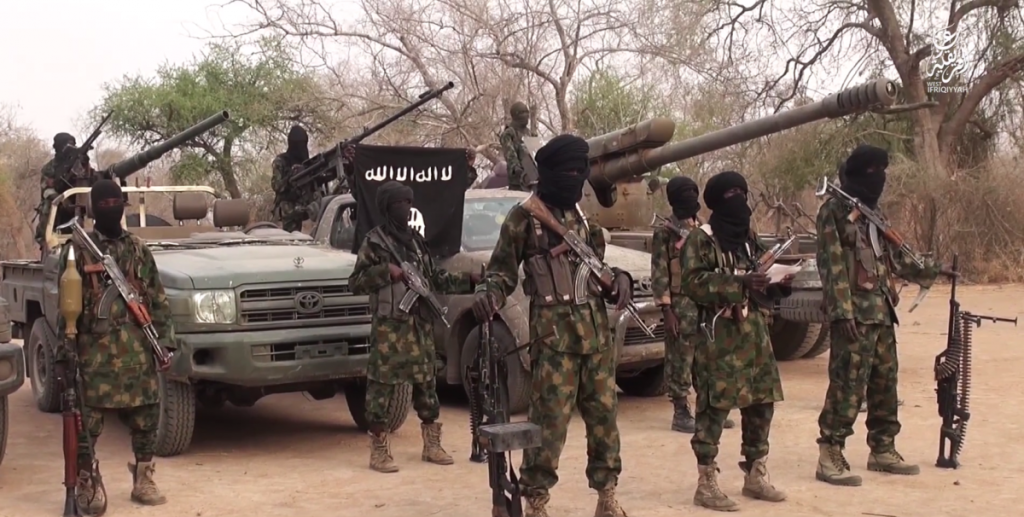
Four intelligence sources familiar with the talks said the government paid a substantial ransom to militants linked to Boko Haram and released two commanders as part of the deal.
The insurgent group has waged a violent campaign in Nigeria since 2009.
According to three sources, the ransom was flown by helicopter to the militants’ stronghold in Gwoza, Borno state, near the Cameroon border, and delivered to a commander identified as Ali Ngulde.
Due to poor communications in the remote area, Ngulde reportedly crossed into Cameroon to confirm receipt before an initial group of 100 children was freed.
One source estimated the payment at 40 million naira per captive, roughly $7 million in total, while another put the figure at about two billion naira overall.
The Office of the National Security Adviser (NSA) did not respond to multiple requests for comment. Nigeria’s Department of State Services (DSS) also denied that any ransom was paid, stating, “Government agents don’t pay ransoms.”
A spokesperson added, however, that authorities cannot prevent families from paying to free relatives.
The notion that a helicopter dropped the ransom for the St. Mary’s students was rejected as “fake news” by another state security spokesperson.
“Let’s be rational about this. This is a fallacy. It’s laughable. It’s almost unimaginable,” they said.
However, an analyst in the northwest state of Zamfara, which is plagued by kidnappings, who wished to remain anonymous, stated that “there is no way bandits can keep releasing people they kidnapped to the government without getting payment in return.
“The government is denying what we all know — that it pays ransom when schoolchildren and high-profile victims are involved,” he said.
Boko Haram had not previously claimed responsibility for the abduction, but sources alleged that a commander known as Sadiku orchestrated the attack.
Conflict researcher Vincent Foucher of France’s National Centre for Scientific Research said the claim was consistent with Sadiku’s past activities.
Nigeria criminalised ransom payments in 2022, prescribing prison terms of up to 15 years. Despite the law, kidnapping for ransom remains prevalent.
According to Armed Conflict Location & Event Data (ACLED), 828 abductions were recorded in the past year, many involving multiple victims.