Trending

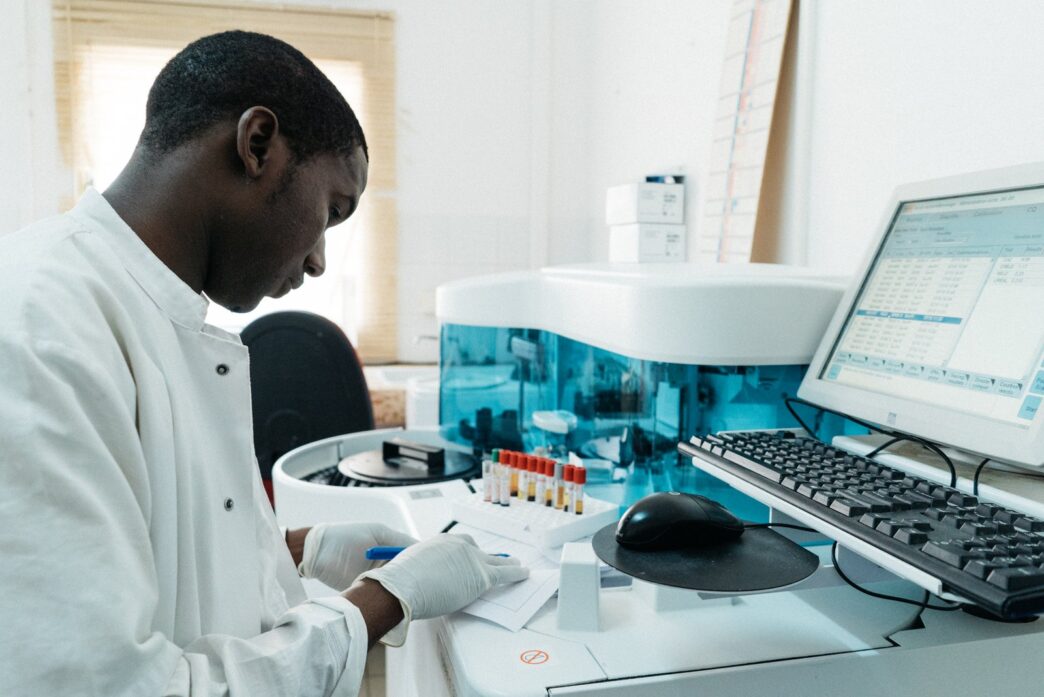
The Nigerian government has called for a continental shift towards health security sovereignty in Africa aimed at moving the continent from reliance on foreign aid to self-sufficient, homegrown health systems.
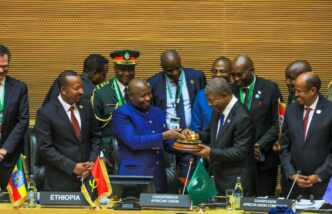
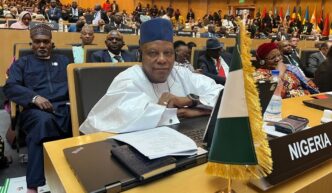
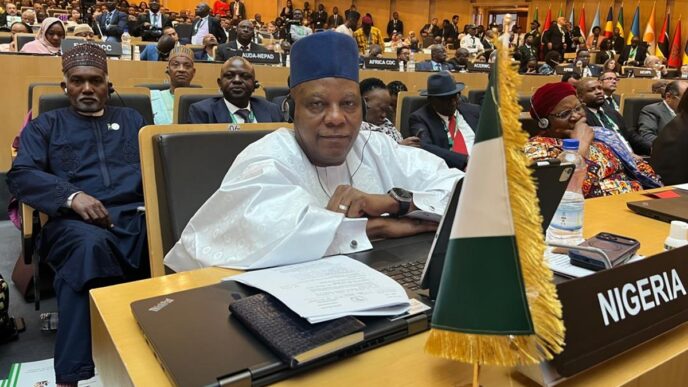
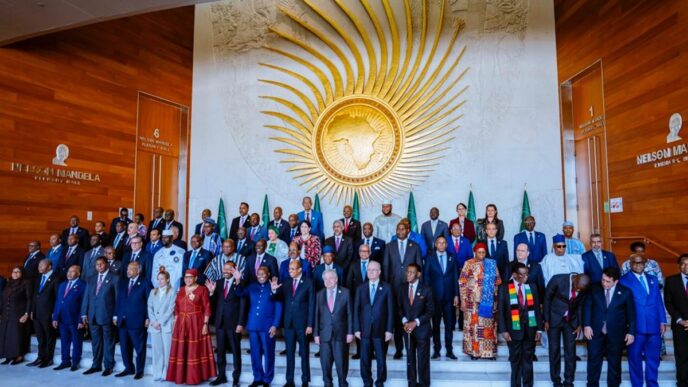
Vice President Kashim Shettima made the call during a high-level side event on “Building Africa’s Health Security Sovereignty” on the margins of the 39th Ordinary Session of the Assembly of Heads of State and Government of the African Union in Addis Ababa.
According to Shettima, this has become necessary to ensure that Africans’ health is not subjected to the uncertainties of distant supply chains or the shifting priorities of global panic.
“Nigeria stands ready to collaborate with every member state of our Union to make health security sovereignty measurable in factories commissioned, laboratories accredited, health workers trained, counterfeit markets dismantled, and insurance coverage expanded,” Shettima said.
He called for African cooperation, saying, “When history reflects on this generation of African leadership, may it record that when confronted with vulnerability, we chose capacity; when confronted with dependence, we chose dignity; and when confronted with uncertainty, we chose cooperation. And in choosing cooperation, we built a continent that could heal itself.”
Shettima also cautioned against the consequences of vulnerability, recalling that during global health emergencies such as the COVID-19 pandemic, when the world turned inward, Africa waited, improvised, and negotiated for rationed vaccines and scarce oxygen.
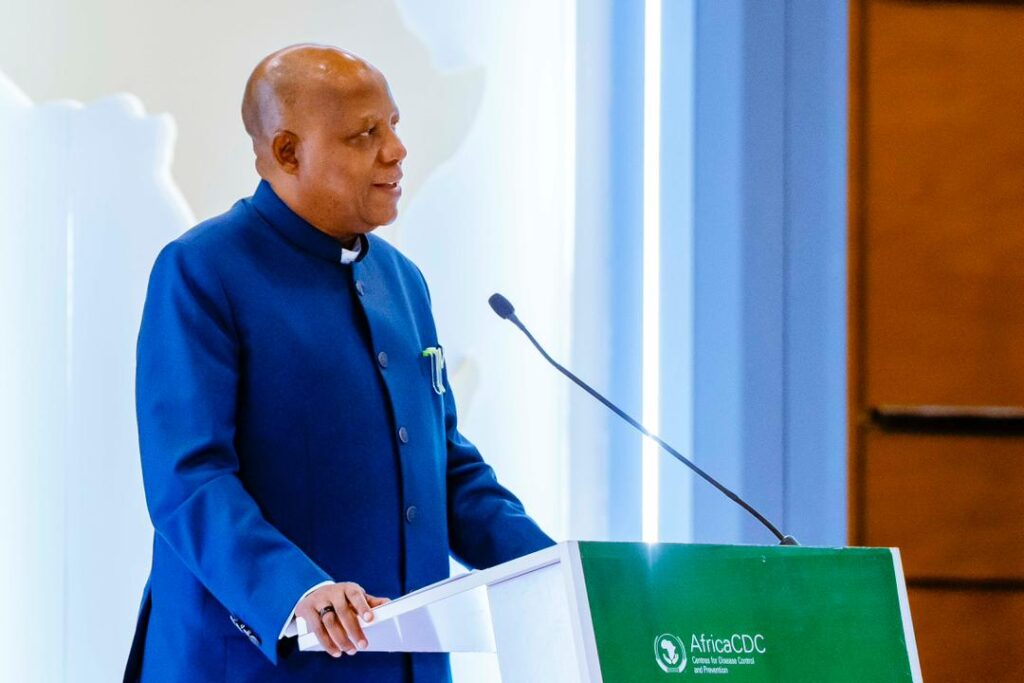
The vice president noted that endurance has dignity but pointed out that “leadership is measured not by how long vulnerability can be withstood but by how deliberately we reduce it.”
“Health security is national security, and in an interconnected continent, national security is continental security. A virus, as we have witnessed, does not carry a passport. A counterfeit medicine does not respect a border. A pandemic does not wait for bureaucracy,” he stated.
He outlined measures Nigeria is taking under President Bola Tinubu, including boosting local pharmaceutical manufacturing, expanding domestic health financing and strengthening regulatory oversight.
“Nigeria has approached this challenge with seriousness under the leadership of His Excellency, President Bola Ahmed Tinubu. In December 2023, we launched the Nigeria Health Sector Renewal Investment Initiative, securing over 2.2 billion dollars in health-sector commitments anchored in measurable outcomes,” Shettima said.
“The initiative set out to renovate and revitalise more than 17,000 primary health care centres across our federation, to train 120,000 frontline health workers, and to expand health insurance coverage within three years through reforms driven by the National Health Insurance Authority. We prioritise this because we believe that sovereignty must rest on financial protection as much as on infrastructure.”
He said the nation is also “upgrading quality-control laboratories, tightening enforcement against substandard and falsified medicines, and streamlining processes for compliant manufacturers.”