Trending

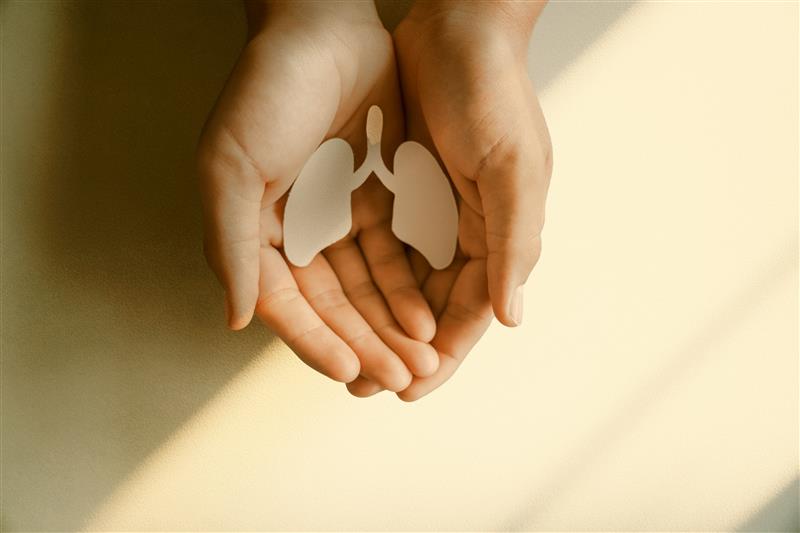
The World Health Organisation (WHO) has lauded Nigeria for closing gaps in tuberculosis detection, expanding access to testing and treatment, and strengthening services for vulnerable populations.
The WHO, in a statement, noted that Nigeria has achieved this milestone with technical support from the United Nations (UN) health agency, adding that Nigeria’s experience shows that progress in tuberculosis treatment is possible when government leadership is reinforced by WHO technical support.
The UN health agency shared the experience of a 21-year-old anonymous tuberculosis survivor who developed a persistent cough that her family initially dismissed as minor, and weeks passed without improvement. The cough deteriorated, making her weak.
The tuberculosis survivor heard a WHO-supported awareness campaign radio jingle while visiting a friend. The jingle advised people battling coughs lasting more than two weeks to get tested. She obliged and visited a primary health centre where her sputum sample was tested using GeneXpert, a rapid testing tool that has been scaled up nationwide with WHO technical guidance and partner support.
She was diagnosed with tuberculosis within two hours and began treatment under Nigeria’s national tuberculosis programme. The survivor recovered months later.
Tuberculosis remains a major medical endemic across the world, which countries strive to eradicate, and Sub-Saharan Africa remains the worst hit. According to the WHO Global Tuberculosis Report, there are about 510,000 new cases annually, including 61 000 children. A total of 458, 534 tuberculosis cases were reported in 2025.
The Nigerian Ministry of Health has said Nigeria is recording some gains in tuberculosis detection, but is also noting gaps.
Margaret Ogbole, a health worker at a TB Directly Observed Therapy clinic in Nasarawa State, said more patients are visiting the clinic
But even as more people come forward to get tested, some challenges threaten Nigeria’s gains in tuberculosis treatment, such as funding shortages and aid cuts.
When the United States halted funding for some health programmes in Nigeria, the impact was felt across the country. Prior to the aid cut, USAID contributed $22 million annually to TB control efforts in Nigeria, covering 18 states.
But Nigeria is trying to fill the funding gap left by the USAID cut. The Nigerian Government recently announced an additional $346 million in domestic funding for 2026 to strengthen its health priorities, focusing on combating HIV and tuberculosis.