Trending

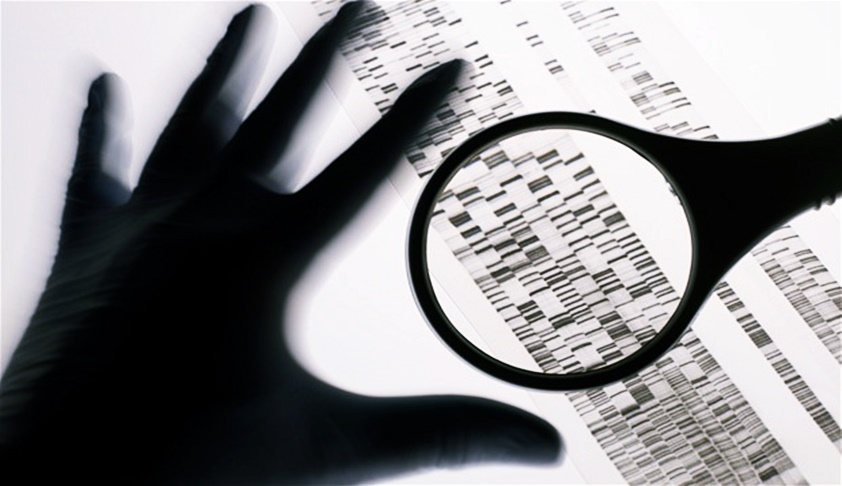
Nigeria plans to introduce DNA profiling as part of a proposed National Database on Terrorism (NCTC) to improve the investigation and prosecution of terrorism-related cases.
The plan is contained in the 2025–2030 Strategic Plan of the National Counter-Terrorism Centre.
According to the document, the database will be housed within the Office of the National Security Adviser and serve as a central repository for information on known and suspected terrorists.
NCTC said the database will include personal details, biometric information and intelligence reports shared by security agencies, correctional centres and law enforcement bodies across the country.
As part of this process, Nigeria plans to collect and store DNA profiles of suspected members of terrorist groups.
DNA profiling is a scientific method used to identify a person by analysing their genetic material. DNA can be collected from saliva, blood, hair or skin cells. Each person’s DNA profile is unique, making it a reliable way to confirm identity.
In terrorism investigations, DNA profiling can help security agencies accurately identify suspects, link individuals to crime scenes, track repeat offenders, prevent mistaken identity, and strengthen evidence presented in court.
NCTC said Nigeria currently lacks a central terrorism database accessible to all counterterrorism agencies, which has affected coordination and information sharing.

“Nigeria currently lacks a central National Database on Terrorism accessible to every agency engaged in the fight against terrorism,” NCTC said.
“The NACTEST (National Counter-Terrorism Strategy) identified the need for such an information-sharing system to be located within ONSA, and NCTC has been tasked by the National Security Adviser with establishing this database as part of NACTEST’s “Identify” and “Implement” work streams.
“The intention is that this database will contain full identifying particulars on known and suspected members of terrorist groups (including, where possible, biometric data and a DNA profile), information on terrorist modus operandi, and intelligence on reported terrorist activity.
“It will be populated with information and intelligence provided by correctional and detention facilities, law enforcement and security partners, and intelligence recovered and developed by staff from the Directorate of Intelligence.”
The proposal comes as Nigeria faces challenges in prosecuting terrorism cases.
NCTC also disclosed that about 5,000 people suspected of terrorism-related offences are currently being held in pre-trial detention across the country, creating a backlog of cases.