Trending
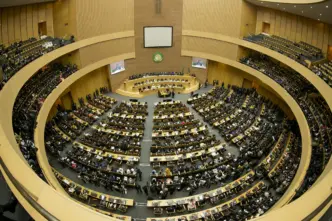
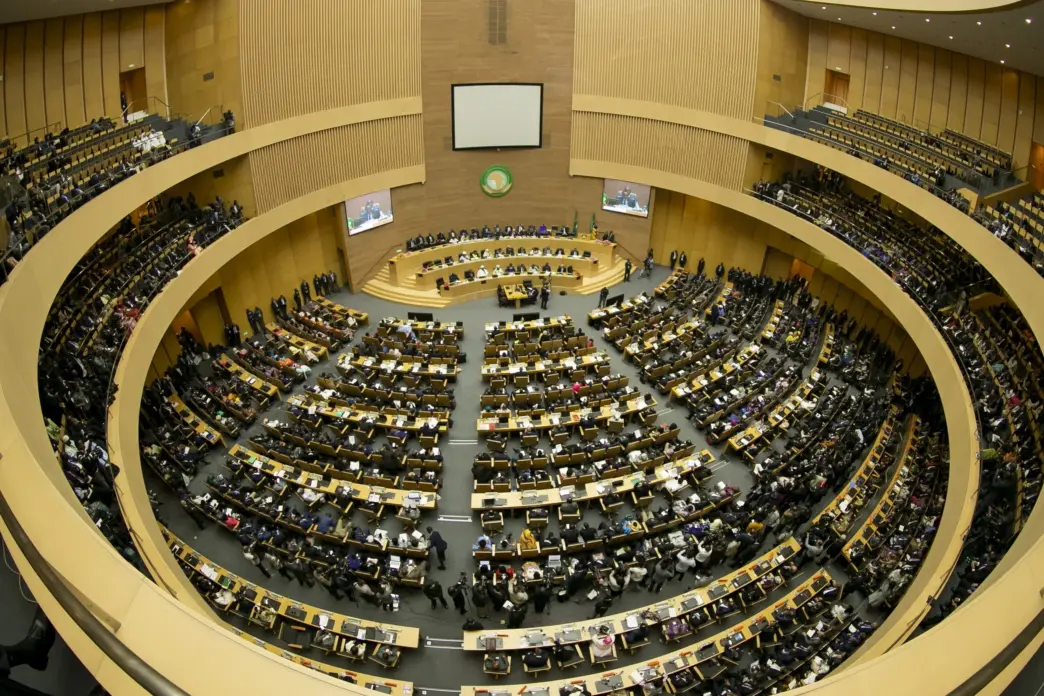
A coalition of 24 Nigerian and international civil society organisations has urged the Nigerian government to grant citizens direct access to the African Court on Human and Peoples’ Rights.
This request was made known in a statement released on the Socio-Economic Rights and Accountability Project (SERAP) website on Thursday. The coalition’s call followed a letter sent to Attorney General and Minister of Justice Lateef Fagbemi, SAN.
The group called on the government to make and deposit the declaration under Article 34(6) of the Protocol Establishing the African Court.
The declaration would allow Nigerians and eligible NGOs to directly approach the court after exhausting domestic remedies, the group disclosed.
Although Nigeria ratified the protocol in 2004, it has not made the optional declaration required to unlock this direct access, denying victims a regional avenue for justice, the groups said.
“Nigeria’s continued refusal to make the Article 34(6) declaration undermines access to justice and effective remedies, as well as weakens accountability, particularly for victims whose cases are stalled, ignored, or inadequately addressed within the domestic legal system,” the organisations said.
The coalition noted that the African Commission on Human and Peoples’ Rights recommended in 2018 that Nigeria expedite the declaration.
Several African Union member states, including Ghana, Malawi, Mali, Burkina Faso, Guinea-Bissau, and Niger, have already made the declaration.
“As one of Africa’s leading democracies, Nigeria must show moral and political leadership by fully subscribing to the jurisdiction of the African Court,” the group added.
“Doing so would strengthen Africa’s human rights architecture at a time when the global rules-based system is under increasing strain.”
The coalition called on President Bola Tinubu and his government to make the declaration immediately and engage with civil society on the steps needed to operationalise it.
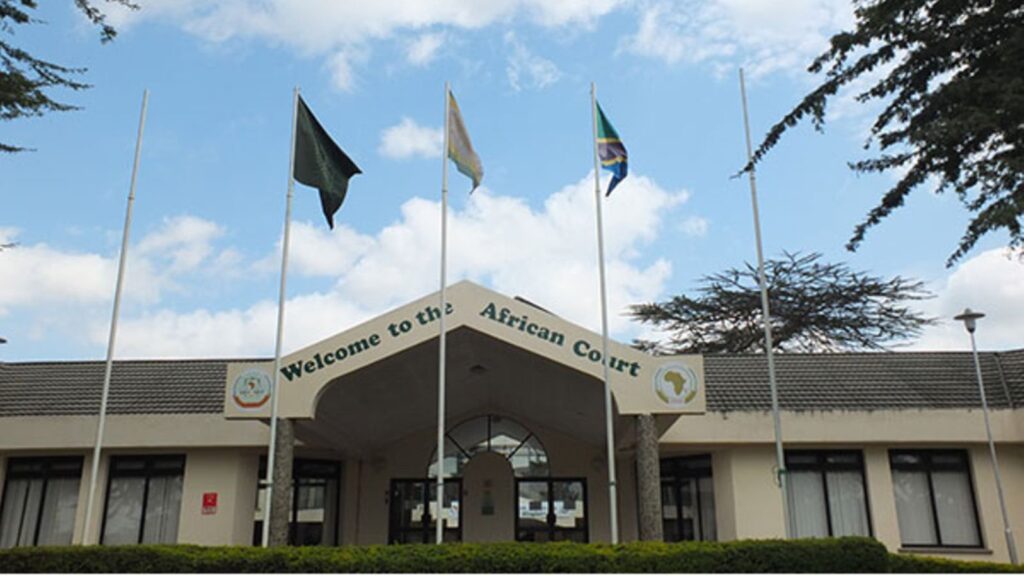
According to the groups, “making the declaration would significantly strengthen the protection of rights guaranteed under the African Charter, including freedom of expression, association and peaceful assembly, digital rights, access to natural resources, and people-centred safety and security.”
It also added that the declaration would also enhance state accountability and improve oversight of powerful non-state actors, including technology companies.”
The coalition also expressed its readiness to work constructively with the government to advance access to justice and effective remedies and reinforce Nigeria’s leadership in promoting human rights across Africa.
The group includes SERAP, Amnesty International Nigeria, BudgIT, Accountability Lab Nigeria, Centre for Journalism Innovation and Development (CJID), Civil Society Legislative Advocacy Centre (CISLAC)/Transparency International Nigeria, and Enough is Enough (EiE) Nigeria.
The other groups are the Paradigm Initiative, Spaces for Change, the Wole Soyinka Centre for Investigative Journalism, Global Rights, HEDA Resource Centre, CLEEN Foundation, Public and Private Development Centre (PPDC), Dataphyte Foundation, DIGICIVIC Initiative, Duty Solicitors Network, Social Action, Paradigm Leadership Support Initiative (PLSI), Center for Public Interest Law (CEPIL), CRADESC, the Institute for Human Rights and Development in Africa (IHRDA), the African Centre for Media and Information Literacy (AFRICMIL), and Falana and Falana Chambers.