Trending
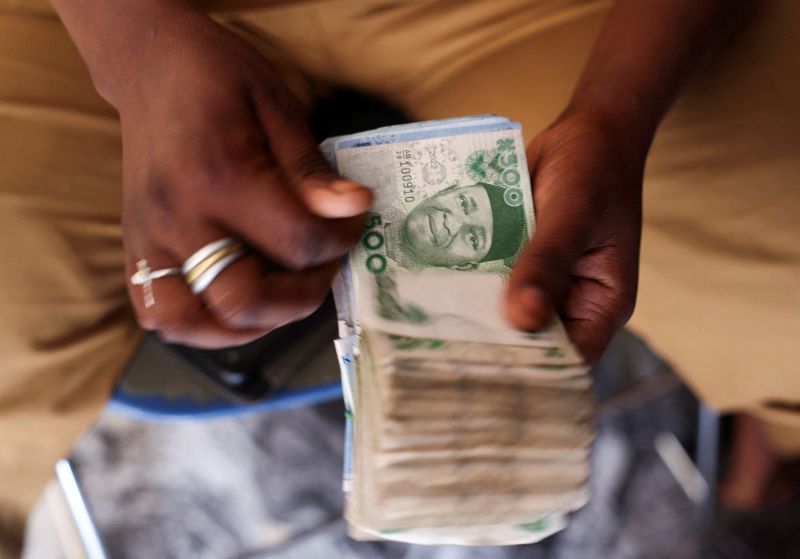
Nigeria’s foreign reserves have grown to about $49 billion as of February 5, 2026, according to Olayemi Cardoso, governor of the Central Bank of Nigeria (CBN).
Cardoso disclosed this on Monday in Abuja while speaking at the second edition of the National Economic Council Conference.
He said the figure represents a 4.93 percent increase from the previous level of $46.7 billion.
According to him, the rise in reserves shows improved confidence in the Nigerian economy.
“When we took over, the net reserve figure was about $3 billion,” Cardoso said.
“As at the end of last year, the net reserve figure had gone up strongly into the 30s. And as I said, as of February 5, 2026, it is $49 billion. We are now net buyers.”
Cardoso explained that the CBN now allows market forces to largely determine foreign exchange rates, while the bank intervenes as needed.
The CBN governor said this approach has helped reduce the gap between the official and parallel market exchange rates.
“The premium between the official and parallel market rates has collapsed to under two percent,” he said.
Cardoso said remittances from Nigerians living abroad have played a major role in boosting the country’s reserves.
He added that the CBN has taken steps to make it easier for Nigerians in the diaspora to send money home.
“Remittances have made a big difference to how we have grown our reserves,” he said.
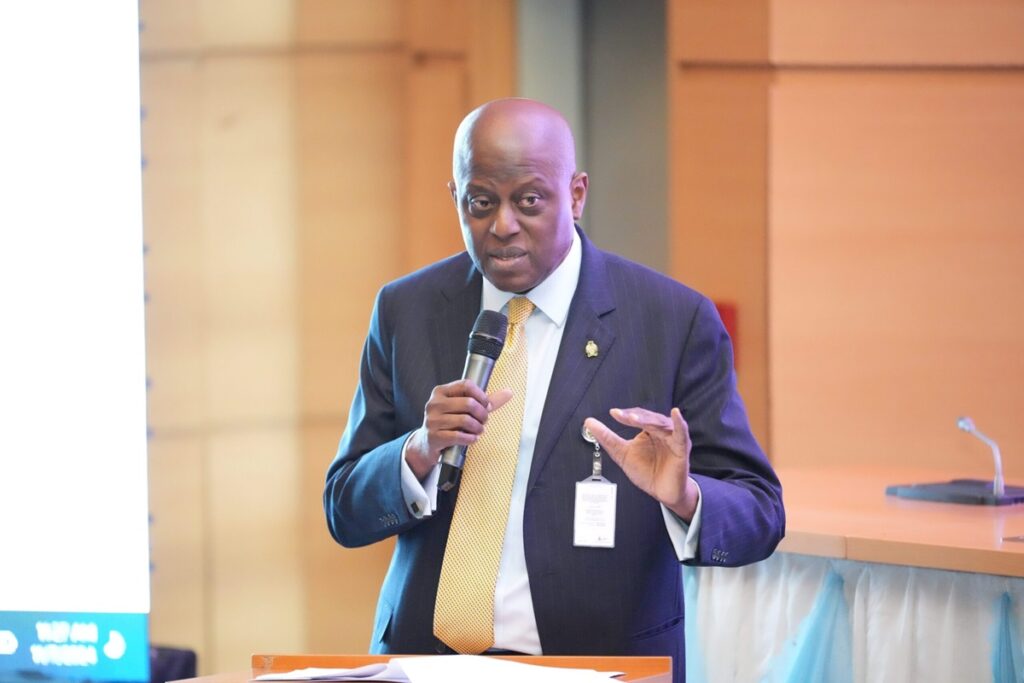
“The diaspora come from every single state represented here. We have engaged with them and made it easier for them to remit money back to Nigeria.”
He also said access to foreign exchange has improved for Nigerians travelling abroad, noting that card payments in naira are now more increasingly accepted.
“In those days, if you went around West Africa and gave them naira, nobody wanted to touch it. That has all gone now. There is predictability, and you can plan.”
In the banking sector, Cardoso said ongoing recapitalisation is improving banks and positioning them to support long-term economic growth.
He added that recent data indicate stability, including GDP growth of 3.98 percent and a current account surplus of $3.42 billion in the third quarter of 2025.
He said inflation has moderated to about 15.15 percent but warned that risks remain, including excess liquidity and election-related spending.
“Monetary policy is necessary, but it is not enough on its own,” Cardoso said, noting that “no central bank can sustainably deliver low inflation where issues like food supply shocks, high energy costs, and poor infrastructure continue to push prices up.”