Trending
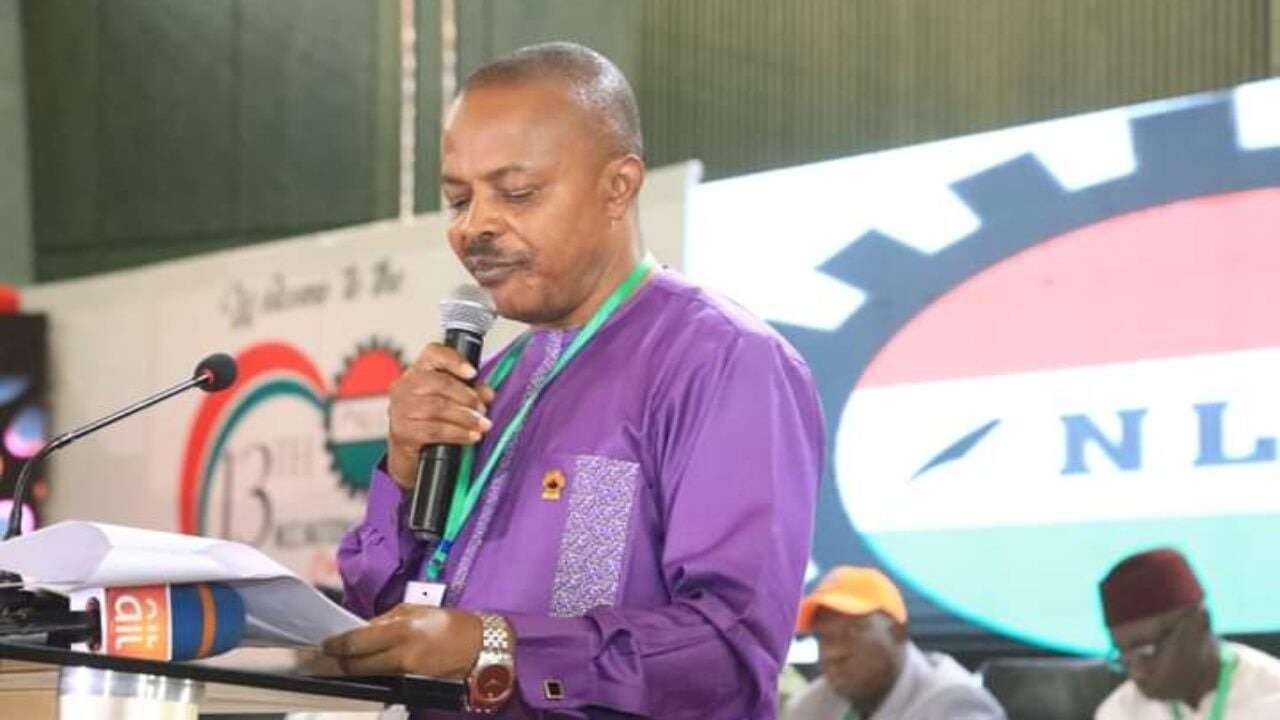
The Nigeria Labour Congress (NLC) has threatened to launch a nationwide industrial action in response to the chronic collapse of the country’s national electricity grid.
Speaking at a conference in Abuja on Sunday, NLC President Joe Ajaero issued a “final warning” to the government, asserting that more than ten years of privatisation have yielded nothing but “darkness, exploitation, and economic pain.”
He argued that the current state of the sector is a failure that has plunged workers, industries, and families into deeper energy poverty.
Ajaero sharply criticised the “Band” classification system, which categorises consumers based on the duration of supply they receive.
He described the system as “institutionalised extortion,” claiming it is a backdoor method to hike tariffs without providing stable electricity.
According to the NLC, even those in premium bands pay exorbitant prices for “epileptic” service, effectively forcing Nigerians to pay for darkness.
The union is now demanding an end to this segregation, maintaining that electricity should be a public right rather than a commodity auctioned to the highest bidder.
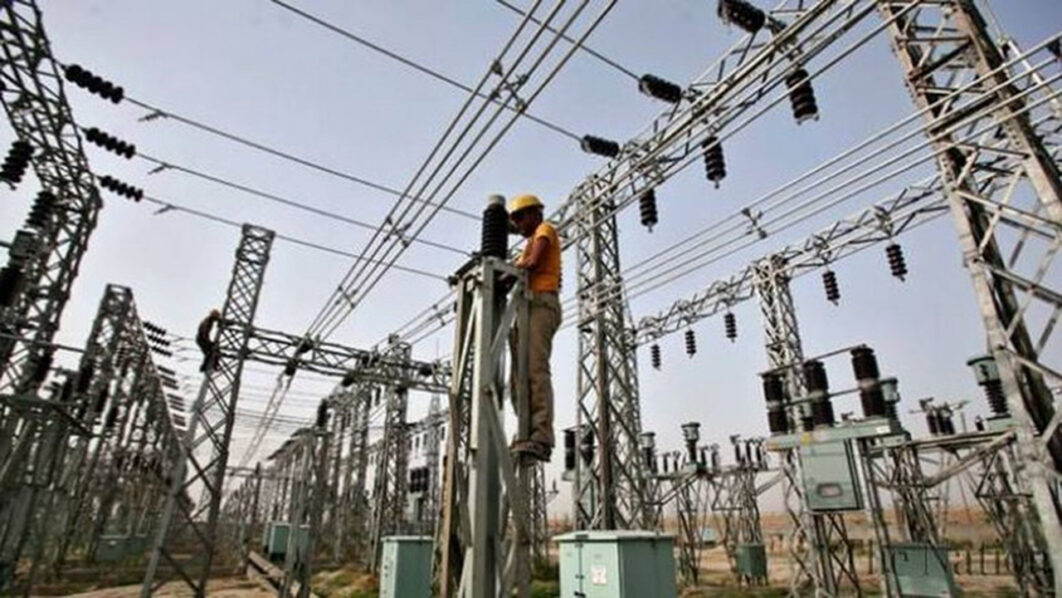
The labour leader further characterised the 2013 privatisation of the Power Holding Company of Nigeria (PHCN) as a “grand deception”.
He alleged that the successor firms were handed over to speculators who lacked both the technical expertise and the financial capacity to manage the nation’s assets.
Ajaero pointed out that power generation remains stagnant at pre-privatisation levels of 4,000 to 5,000 megawatts, despite a massive increase in population and industrial demand over the last decade.
In a call for radical reform, the NLC urged the Nigerian government to return the electricity sector to a social service model, arguing that private investors have proven they cannot handle the heavy capital requirements.
Ajaero rejected the idea of any government bailouts for private firms, suggesting a national stakeholders’ summit.
This proposed meeting would include unions, manufacturers, and experts to develop a roadmap for reversing the privatisation framework and prioritising public investment in stable infrastructure.